
Reviewed · CAPITOLINE HILL & ROME CITY MUSEUMS
Welcome To Rome Experience
Rome in one hour sounds impossible, but this show pulls it off. Welcome To Rome uses audio, video, and interactive 3D visuals to turn Rome’s long timeline into something you can actually follow. It’s a smart first stop because it gives you a map in your head before you hit the big monuments.
I especially like the clear big-picture structure, from early Rome through major architectural eras, plus the way the visuals flip between what’s there today and what key buildings looked like in their original form. Another win is the family-friendly pace: it’s short enough to keep attention, yet detailed enough that adults will still learn something.
One caution: a few parts are more standing and moving through stations than sitting and relaxing, so if your group hates “walk-and-watch” formats, you might find it tiring. Also, some viewers mention technical glitches with the audio radios and bathroom conditions, so go in expecting a simple, utilitarian setup.
In This Review
- Key things I’d focus on before you go
- A One-Hour Multimedia Walk-Through of Rome’s Story
- Getting There on Corso Vittorio Emanuele II (and Picking a Showing)
- Stop 1: Welcome To Rome, a Start-to-Finish History in 3D
- Inside the Four Stations Plus the Big Video Room
- Audio, Video, and Interactivity: What You Actually Get
- Value and Price at $21.77: When It’s a Good Deal
- Booking Smart: How Far Ahead to Plan
- Who This Experience Fits Best (and Who Might Skip)
- How to Pair It With the Rest of Your Rome Day
- Should You Book Welcome To Rome Experience?
- FAQ
- How long is Welcome To Rome?
- How much does it cost?
- Is there an option for an English-speaking experience?
- Do I receive a mobile ticket?
- Where is the show located?
- Are there multiple showings per day?
- When is the last entry time?
- How far in advance is it commonly booked?
- Is free cancellation available?
- Is it possible for service animals and most people to participate?
Key things I’d focus on before you go
- Central address, city-center convenience on Corso Vittorio Emanuele II
- Pre-purchased tickets help you avoid wasting time hunting for entry
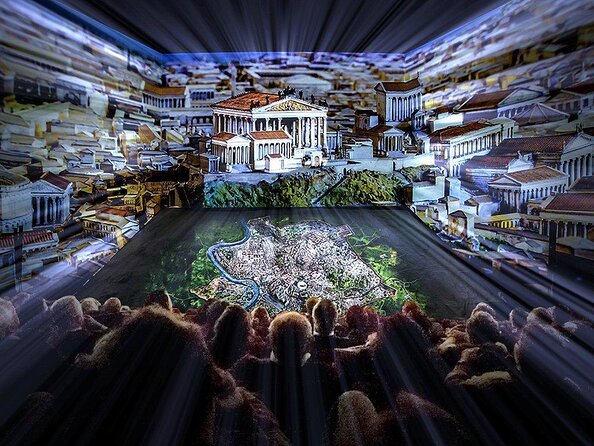
- 3D reconstructions that show ruins in context, not just as broken stones
- Audio in English paired with visuals and interactive elements
- A quick start-to-finish history that fits into a tight first day
A One-Hour Multimedia Walk-Through of Rome’s Story
This is not a museum with you wandering at your own pace. Welcome To Rome is a timed multimedia show, about one hour long, designed to give you a structured understanding of how Rome grew from early beginnings into the city you recognize today.
If Rome feels like a blur when you first arrive, this format helps. You get an organized timeline, you see buildings in context, and you hear explanations that connect what you’re looking at outside later with what you saw inside.
The best part is that the show is built for attention spans. Many people love it as a first-day warm-up because it helps you decide what to focus on the moment you step back into the streets.
Pinned to the same map of Rome, more Capitoline Hill and Rome city museum visits.
- Rome: Capitoline Museums Experience with Multimedia Video
★ 4.3 · 1,093 reviews - Rome: Palazzo Barberini Galleria Corsini Ticket & Audioguide
★ 3.9 · 322 reviews - Rome: Vittoriano with Rooftop & Palazzo Venezia Hosted Entry
★ 4.2 · 306 reviews
Getting There on Corso Vittorio Emanuele II (and Picking a Showing)
The address is Corso Vittorio Emanuele II, 203 – 00186 Roma (RM). It’s positioned in central Rome and is near public transportation, which matters because Rome days can start late and end early fast.
Timing is also straightforward. The show runs with multiple showings daily, and the last entry is one hour before closing. That means you’re not stuck with just one rigid slot. You can usually choose a time that fits your day plan, whether you’re coming from a morning walk or trying to regroup after lunch.
One small practical note: you’ll want to arrive with enough time to settle in before your session starts. This is the kind of experience where arriving late can mean missing part of the audio or the early visuals.
Stop 1: Welcome To Rome, a Start-to-Finish History in 3D
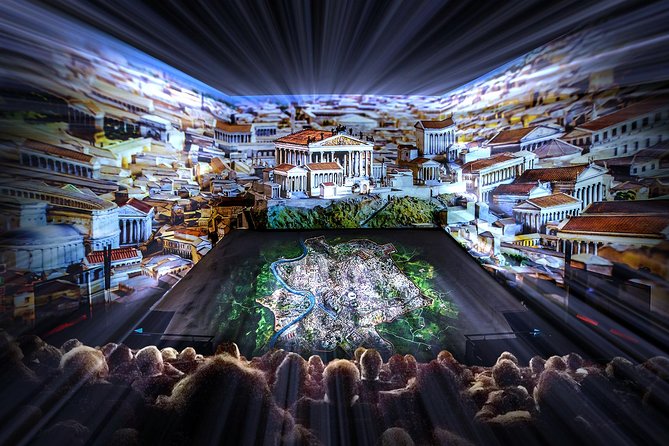
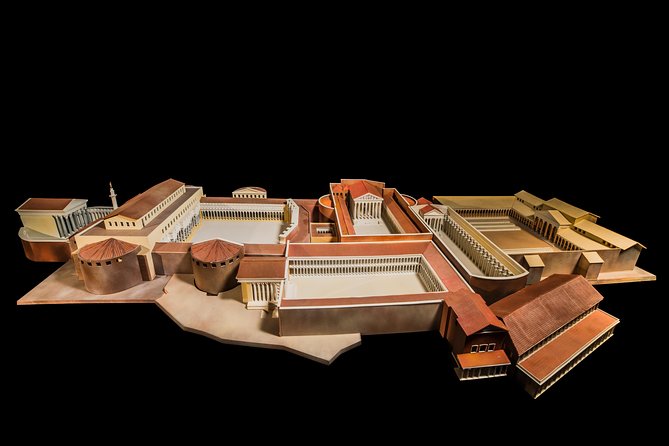
Your main stop is the show itself, Welcome To Rome, where you’re guided through the history of Rome with projections and interactive exhibitions. The theme is simple and effective: you move through Rome’s story using visual reconstructions that make changes across time easier to grasp.
A key early moment is a brief geological explanation of Rome’s early landscape. That may sound like a detour until you remember why Rome’s setting matters. When you understand what the ground and terrain were like, later architectural changes feel more logical instead of random.
Then the show builds era by era, with a focus on how buildings and structures evolved. Many people like the sense of perspective you get quickly, especially if you plan to visit places like the Forum, Palatine Hill, or the Colosseum after.
Inside the Four Stations Plus the Big Video Room
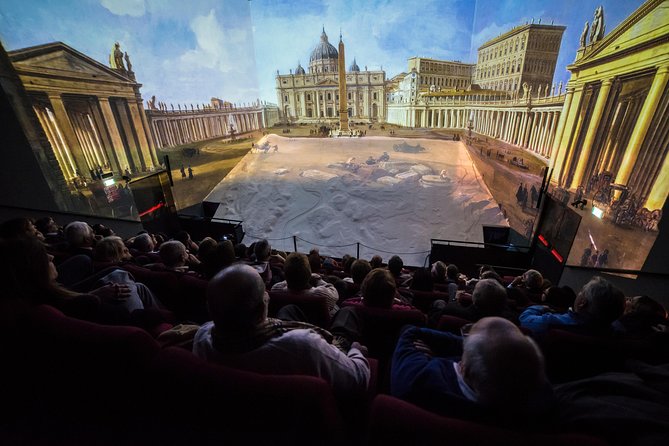
The experience is divided into smaller parts rather than one continuous theater segment. One described flow is that you move through four small rooms or stations where you stand and watch 3D diorama style visuals with audio guidance. After those stations, there’s a ~30-minute video in an auditorium, which is typically the only place you can sit.
That layout is a big deal for your comfort and attention. If your group enjoys visuals on foot and likes short segments, you’ll likely enjoy this structure. If you prefer to sit, then watch, then sit again, plan for more movement than a traditional talk.
Some viewers also flagged practical issues like an auditorium that felt cold, and mentions of broken seats or litter. Not every session would have the same condition, but it’s worth keeping in mind that this is a functional entertainment setup, not a polished, high-end theater.
If you’re bringing kids, this still can work well because it stays visually driven. But if your child is under about eight, expect you might need more patience, or you might need a quick break during the standing segments.
Audio, Video, and Interactivity: What You Actually Get

This show is built on the combination of audio, video, and interactive elements. You don’t just watch one screen and hope you absorb it. You hear context while visuals show how Rome looked across time.
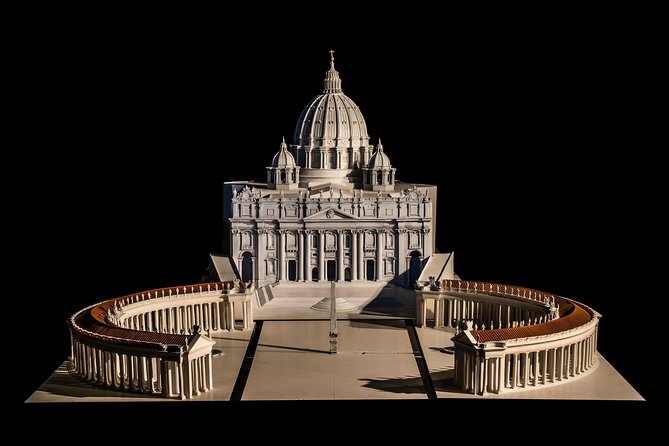
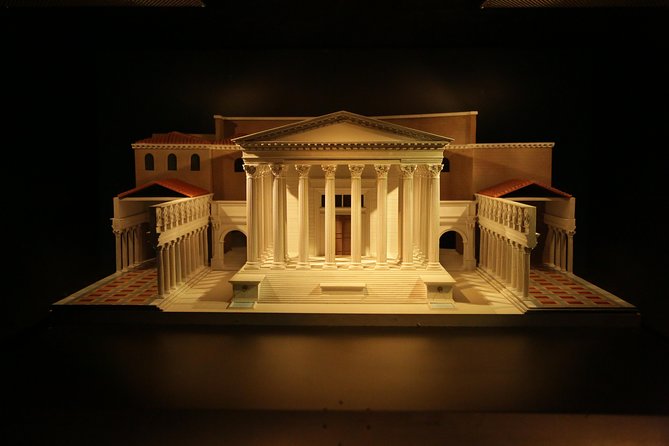
A favorite part for many people is the way the show recreates monuments and structures, including a sense of how they may have looked originally versus how they look now. That “then and now” contrast is extremely useful in Rome, because so many sights are ruins. Without context, ruins can be confusing. With context, you start to recognize shapes, layouts, and what each building was supposed to be.
The show also tends to cover multiple historical styles, and you may see an overview that moves through Classical, Medieval, Renaissance, and Baroque periods. Even if you don’t memorize dates, those broad labels help you place what you see later when you visit churches, palaces, and museum collections.
Audio tech matters here because your narration is likely delivered through audio equipment. A few people reported that their audio radios did not function properly at times, but staff were available to help replace the radio quickly. So if sound is spotty for you at first, don’t panic. Ask for help right away.
Value and Price at $21.77: When It’s a Good Deal
At $21.77 per person for about one hour, the value depends on how you like to experience Rome.
For first-time visitors, this can be a strong “time saver.” Pre-purchased tickets are part of the setup, and that helps you avoid wasting a chunk of your day on lines or last-minute coordination. If your itinerary is already packed with major sights, spending an hour here can make those later stops easier to enjoy, because you’ll know what you’re looking at.
For families, it often earns its price because it’s designed to keep kids engaged with 3D visuals and interactive moments. You’re not trying to persuade a child to sit through a long lecture. You’re giving them a fast story.
Where the value can feel lower is if you already know Rome’s timeline well, or if your group doesn’t enjoy moving through several short stations. Some people felt it was “overpriced” for what they considered a limited amount of information, especially when the show felt more like demonstrations than deep explanations.
My practical takeaway: this is best as an orientation tool. If you expect it to replace a major guided tour at a landmark, you’ll probably be disappointed. If you want a clear entry point that boosts what you see outside, it’s a solid buy.






Booking Smart: How Far Ahead to Plan
This experience is often booked about 21 days in advance on average. That doesn’t mean you must book exactly then, but it suggests you’ll have better luck securing the time slot you want if you plan ahead, especially during busier weeks.
You’ll receive confirmation at the time of booking, and the ticket is a mobile ticket. That’s convenient in a city where printed tickets can be a hassle.
Also note: there’s free cancellation if you cancel up to 24 hours in advance of the experience start time. So you can book confidently, then adjust if your day plan shifts.
Who This Experience Fits Best (and Who Might Skip)
Welcome To Rome works best when you want a structured overview, with visuals doing most of the heavy lifting.
Great fit if you:
- Want a fast first-day orientation before major ruins
- Like 3D reconstructions and “then versus now” comparisons
- Are traveling with kids who handle short bursts of attention
- Prefer an organized story more than piecing together Rome solo
Consider skipping or swapping if you:
- Already know Rome’s history well and want deeper, site-specific detail
- Have someone who gets restless with standing and rotating through multiple small stations
- Need a fully seated experience, end-to-end, with minimal walking within the rooms
One recurring theme in feedback is that the experience can be harder for younger children under about eight to stick with, since it asks them to remain engaged while you move station to station.
How to Pair It With the Rest of Your Rome Day
If you do one planning thing, do this first in your trip. A short, visual overview helps you read Rome while you walk.
After the show, you can visit major sites with better context. People often use it to understand how the Roman Forum and Palatine Hill connect to the wider story of Rome’s development. The reconstructions and era labels also help when you move between different architectural styles across the city.
If you’re planning multiple sites, this is also the kind of activity that can help you decide what to prioritize. Once you understand the general timeline, you can choose whether you want more time at classical monuments, medieval streets, Renaissance churches, or Baroque architecture.
Should You Book Welcome To Rome Experience?
Book it if you want a quick, visually guided history of Rome that makes later sights easier to understand. At $21.77 for about an hour, it’s a practical “orientation” stop, especially for first-time visitors and families.
Skip or think twice if your group prefers deep, sit-down learning only, or if you know you won’t like moving through multiple standing stations. Also be aware that some sessions can be more basic on the physical comfort side, so bring your expectations down to match a straightforward multimedia exhibit.
If your goal is to get your bearings fast and connect what you see in the streets to the bigger story, this is a smart place to start.
FAQ
How long is Welcome To Rome?
The experience lasts about 1 hour (approx.).
How much does it cost?
The price listed is $21.77 per person.
Is there an option for an English-speaking experience?
Yes, it is offered in English.
Do I receive a mobile ticket?
Yes, it uses a mobile ticket.
Where is the show located?
It’s at Corso Vittorio Emanuele II, 203 – 00186 Roma (RM).
Are there multiple showings per day?
Yes, it has multiple showings daily.
When is the last entry time?
The last entry is one hour before closing.
How far in advance is it commonly booked?
On average, it is booked about 21 days in advance.
Is free cancellation available?
Yes. Free cancellation is available if you cancel up to 24 hours before the experience start time for a full refund.
Is it possible for service animals and most people to participate?
Yes. Service animals are allowed, and most people can participate.
Keep Comparing Capitoline Hill and Rome City Museum Visits in Rome
Not quite the day you had in mind? The rest of our Rome write-ups sit below
- Rome: Guided Tour of St. Peter’s Dome Climb, Basilica & Vatacombs★ 5.0 · 167 reviews
- St. Peter’s Basilica Guided Tour with Reserved Entrance★ 4.0 · 168 reviews
- Golf Cart Driving Tour in Rome: 2.5 hrs Catacombs & Appian Way★ 5.0 · 168 reviews
- Rome: Trastevere Wine Tasting with Food Pairing and Gelato★ 4.9 · 168 reviews
- Guided Tour of the Colosseum Palatine Hill and Roman Forum★ 4.7 · 168 reviews
- Vatican Museums, Sistine Chapel & Saint Peter’s Semi-Private Tour★ 4.5 · 169 reviews
- Hidden Rome: Small Group E-Bike Tour with Street Food Stops★ 5.0 · 169 reviews
- Rome: Papal Audience with Pope Leo IV★ 3.9 · 169 reviews
- Rome Golf Cart Tour: Highlights & Must See★ 4.5 · 170 reviews
Capitoline Hill & Rome City Museums, top to bottom.
 ★ 4.6Rome: Welcome To Rome Immersive Multimedia ShowFrom $213,161 reviews
 ★ 4.7Rome: Doria Pamphilj Gallery Entry TicketFrom $341,647 reviews
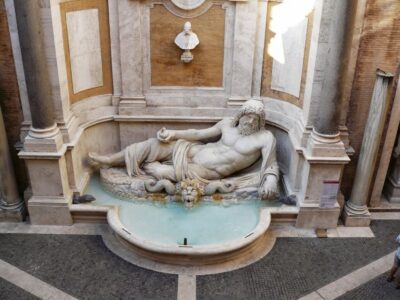 ★ 4.3Rome: Capitoline Museums Experience with Multimedia VideoFrom $421,093 reviews
 ★ 4.5Rome: Altar of the Fatherland Elevator and Museum TicketsFrom $42546 reviews
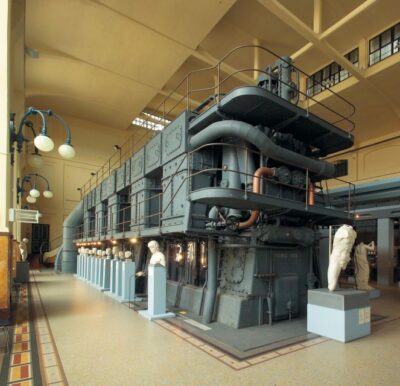 ★ 4.4Rome: Capitoline Museums and Centrale Montemartini TicketsFrom $42328 reviews
 ★ 3.9Rome: Palazzo Barberini Galleria Corsini Ticket & AudioguideFrom $19322 reviews
 ★ 4.2Rome: Vittoriano with Rooftop & Palazzo Venezia Hosted EntryFrom $38306 reviews
Filed under