
Reviewed · MOUNT ETNA TOURS
Etna – Trekking to the summit craters (only guide service) experienced hikers
Four hours, wind, gas, and volcanic craters.
This Etna Nord experience is built around getting you high enough to see the summit craters for real, with a route that feels more authentic than the usual Etna chaos. I especially like the smaller-group feel and the fact that the licensed volcanology guides explain what you’re seeing as you go.
I also like that the morning starts smoothly at Piano Provenzana: you meet your guides, get outfitted, then head uphill by 4×4 before the hike even begins. The only real drawback is that this is not a casual walk, the return descent is long and steep enough that knee strength matters.
One more thing to know up front: guides choose the safest route day to day, so your exact crater approach can shift.
In This Review
- Key things I’d plan around
- Why Etna Nord summit trekking feels different
- Entering Piano Provenzana: meet, gear up, and step into 2002 lava
- The 4×4 panoramic climb: lava fields, deep craters, and sea views
- The summit hike itself: 4 main craters and a route that changes daily
- The descent: where knees get tested and wind steals breath
- Weather, gases, and the gear choices that prevent a miserable day
- Price and value: what $139.13 really buys, plus common add-ons
- Guides that make the science click, names to watch for
- Who should book this Etna Nord summit craters trek
- Should you book this tour?
- FAQ
- How long is the Etna summit craters trekking experience?
- What’s the meeting time and where do we start?
- What language is the tour offered in?
- What’s included with the tour fee?
- Is there anything that costs extra during the day?
- What happens if the weather or volcanic conditions are unsafe?
Key things I’d plan around
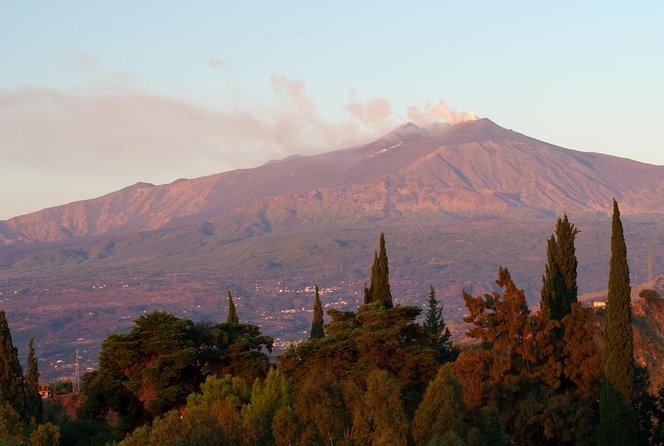
- North-slope itinerary with smaller groups and big views across northern Sicily
- 4×4 lift first, then a hands-on guided trek to the summit craters
- Altitudes from about 2,960 m to 3,323 m, where pace and footing matter
- Long descent on foot, around 1,500 m negative gain, tough on knees
- Daily route changes depending on gas, heat, fractures, and safety rules
- Gear provided (poles, shoes, helmet, warm jacket, extra socks, backpack)
Why Etna Nord summit trekking feels different
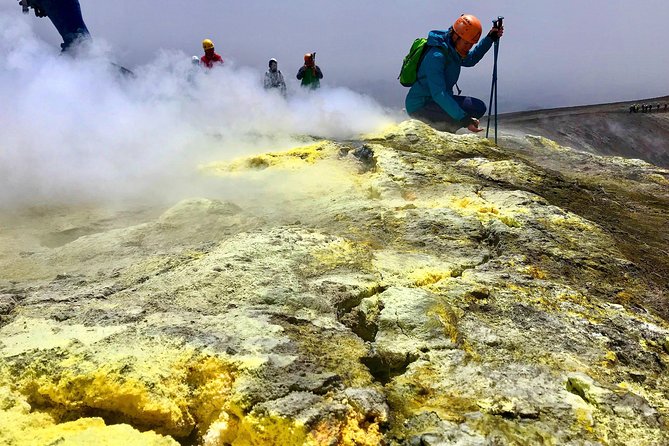
Etna is famous for a reason, but the best part of this tour is the angle. You’re not just visiting a viewpoint. You’re trekking into the volcanic terrain on the north side, where the scenery shifts from forested slopes to high-altitude, sandy, crater-edge walking.
The experience is also built for people who like their volcano days practical. You start at Piano Provenzana, you get briefed, you go up by authorized 4×4, then you walk in a way that actually connects you to Etna’s forms: lava flows, lateral craters, and the summit crater area itself.
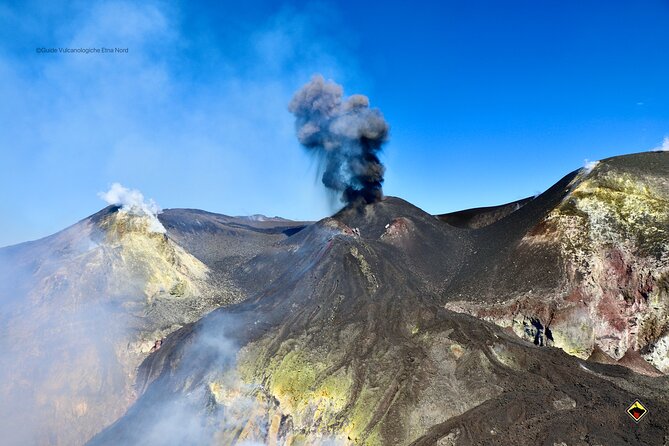
And yes, it’s active. That affects everything, including how close you can safely go, and which summit craters you’ll reach.
Other Mount Etna tours in Sicily that earned their own write-up.
- Etna Morning Trip
★ 4.5 · 1,241 reviews - Mt. Etna nature and flavors half day Tour from Catania
★ 5.0 · 545 reviews - Etna excursion 3000 meters with 4×4 cable car and Trekking
★ 4.5 · 504 reviews - Mount Etna Adventurous Hiking Tour with Equipment
★ 4.5 · 439 reviews
Entering Piano Provenzana: meet, gear up, and step into 2002 lava
Your day starts at Piano Provenzana, the Etna Nord tourist area. It’s a less crowded access point than the southern slope, and you’ll feel that right away. Before the drive up, you can use restrooms, grab coffee or tea, and take breakfast at the café. It’s a small thing, but it makes the morning feel organized instead of rushed.
Piano Provenzana matters historically too. The area was destroyed by the October 27, 2002 eruption, and the volcanic landscape you see now is shaped by that event. The good news for logistics is that the access road is drivable, so you can reach the starting zone by your own car or rental if needed.
In winter, plan for traction. You’ll want snow chains or winter tires.
This is also where the tour becomes real for you. Guides set expectations early, then provide the equipment you need for the hike. Most people are ready to start when it feels like a real “workday,” not a sightseeing stroll.
The 4×4 panoramic climb: lava fields, deep craters, and sea views
Once you meet your guides, you head uphill in authorized 4×4 vehicles. The drive is part of the value here, because it does two things at once: it gets you to the right altitude fast, and it shows you the volcanic terrain up close before your legs start burning.
On the north flank itinerary, the route climbs from roughly 1,800 m to 2,960 m. Along the way, you cross lava fields and lateral craters, and the drive passes features like a lava-flow channel and eruptive fractures. You also get a sense of scale that a viewpoint simply can’t give.
The views from this track are a highlight on clear days. You can see northern Sicily, the Aeolian Islands, the Strait of Messina, Calabria, and both the Ionian and Tyrrhenian Seas. When visibility is rare and perfect, people can even catch the Madonie range, plus parts of the Gulf of Catania and Syracuse area.
Expect drive time to feel like “scenery with purpose,” because the goal is to set you up for the summit hike.
The summit hike itself: 4 main craters and a route that changes daily
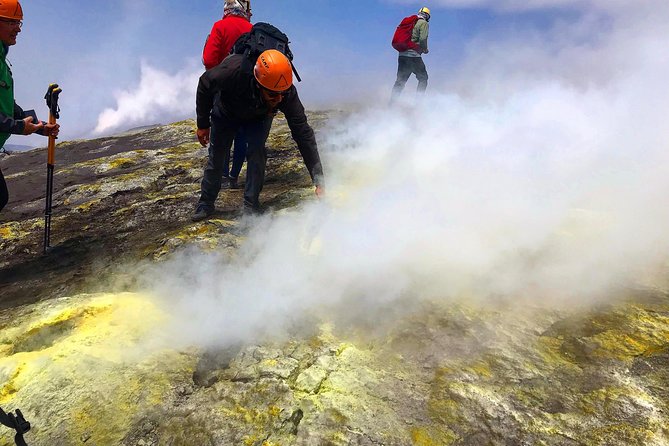
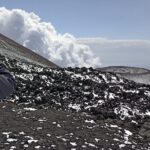
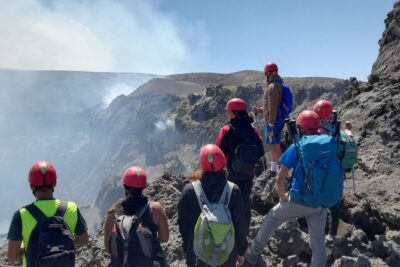
From about 2,960 m, the guided summit hike begins. The trek climbs 5 km with around 550 m ascent to reach the summit crater area. The tour targets Etna’s four main craters: North-East, Voragine, Bocca Nuova, and South-East.
Here’s the smart part: the guides do not force you into one fixed line every day. Because activity varies, they choose the safest route toward the most active yet secure crater areas. If gas is strong, heat is intense, or fractures require a different line, your path adjusts.
Altitude range is roughly 2,960 m to 3,323 m. That means you should plan on good basic fitness, and you should take altitude seriously even if you don’t expect it to “hit” you hard. Mild effects are possible, and you will feel the air and wind while you walk.
You’re also walking on volcanic edges, and that can affect balance. The route includes walking along crater edges, which may cause dizziness for people who are sensitive.
How hard is the hike? The ascent portion is challenging, but the climb is only half the story. Your return is the real test.
The descent: where knees get tested and wind steals breath
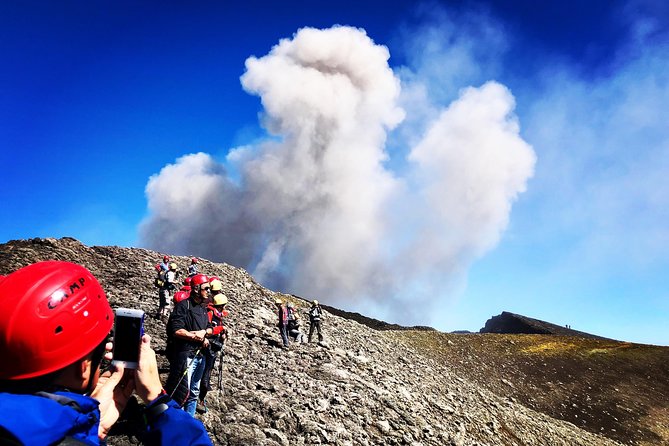
After the summit segment, you return with a long descent on foot. The numbers matter here: it’s roughly 7 km down, with about 1,500 m negative gain, from around 3,300 m back toward 1,800 m.
This is why “I can hike up” is not the same as “I’m ready for Etna.” Even fit hikers can find this part harder than the climb, especially with loose scoria, sandy gullies, and shifting footing.
The trail follows soft, volcanic ground through recent lava areas and the wide Piano delle Concalze. Later, you cross about 2.5 km of ski slopes with rougher, stony ground before heading back down to the starting area.
Plan for total trekking distance around 12 to 13 km, with small route changes possible. Overall duration is usually around 6 hours, and it can feel longer if weather or safety changes slow the pace.
My practical advice: treat the descent like a separate hike. Go slower than you think you need to, use the trekking poles if you’re given them, and don’t wait until your knees feel hot before adjusting your steps.
Weather, gases, and the gear choices that prevent a miserable day
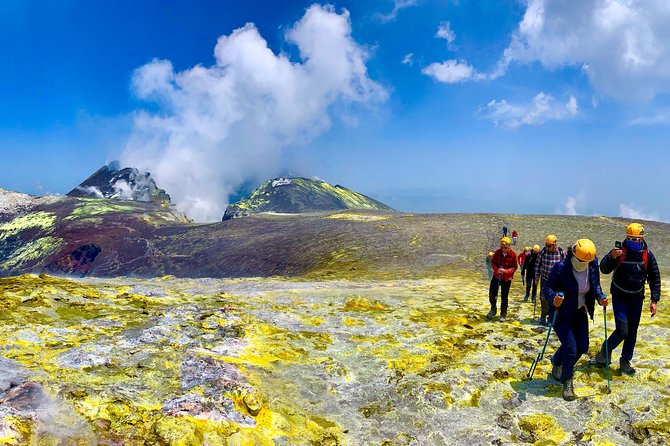
Etna at summit altitude is cold, windy, and sometimes dusty or ashy. Even when the day looks calm from town, the top can feel raw. A warm jacket is included, and you’ll also be issued a helmet, trekking poles, trekking shoes, and extra socks, plus a backpack.
Still, you should think about the details that matter most at 2,900 m to 3,300 m:
- Bring long socks and pants that cover your boot ankles. Small lava stones can get stuck in shoes on the way down, and that can ruin your rhythm.
- Expect it to be colder and windier than you think. A wind layer is worth its weight in comfort.
- The tour notes that contact lenses are not recommended because of volcanic gases and ash. If you wear lenses, consider switching to glasses for this day.
- Hat and gloves are not included, so you may need them in autumn, winter, and spring.
Also, the tour has clear safety rules. If conditions shift, guides can stop where it’s still safe to arrive for the safety of the entire group. That’s part of why this experience is led by licensed professionals.

Price and value: what $139.13 really buys, plus common add-ons
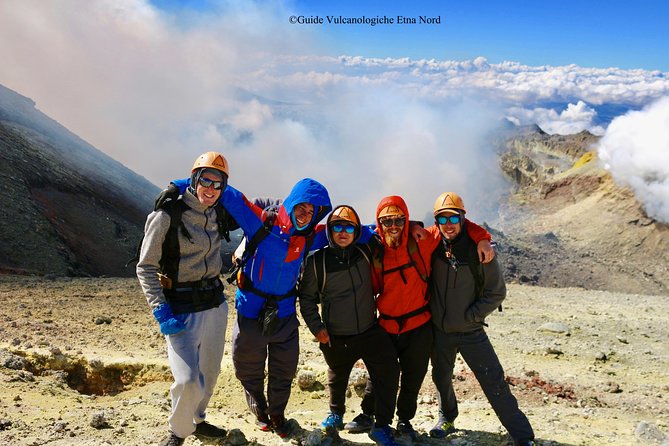
The listed price is $139.13 per person for an approximately 5 hours 30 minutes experience, offered in English, with a mobile ticket and an entry/Admission to Mount Etna included.
That sounds straightforward until you look at what actually drives cost in an Etna day:
- You’re paying for a licensed volcano guide
- You’re paying for equipment (poles, helmet, warm jacket, shoes, extra socks, backpack)
- You’re paying for insurance in case of accidents
- You’re also paying for the fact that a big chunk of the day is time and effort at high altitude
So, what might cost extra?
- Parking is not included (noted as €5 weekdays, €8 Sundays or public holidays).
- Hat and gloves are not included.
- There is an optional off-road vehicle one-way from about 1,800 m up to 2,825 m, listed as €50 per person to be paid on the spot.
- If you choose to return by bus from about 2,850 m to 1,800 m, the data says it’s €70 instead of €50.
In the same spirit, some hikers mention cable car and jeep add-ons on certain days, and small gear rentals like shoe or jacket rentals. If you want to control your budget, read your day’s plan before you arrive and ask your guide at the start what you’ll need based on the day’s conditions.
Also note the group size cap is 12 travelers. That helps you get more attention during the hike, especially if you have questions about how the volcano is behaving.
Guides that make the science click, names to watch for
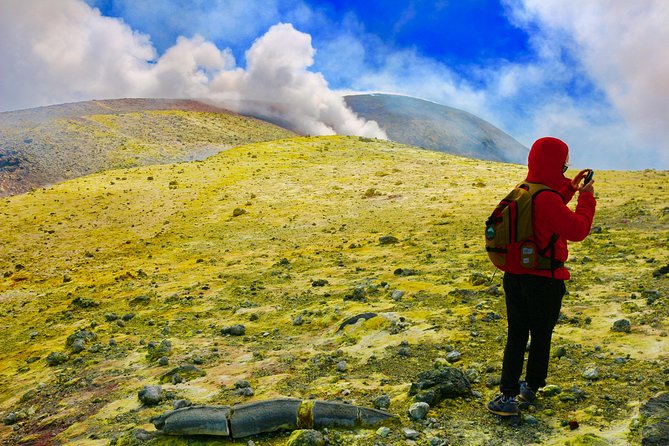
This tour leans hard on interpretation, not just logistics. The guides are licensed, and the best feedback repeatedly points to how much they explain and how well they pace the hike.
When people talk about this experience, guide names that come up include Paolo, Nikos, Raphael, Poldo, Daniele, and Vincenzo. Different personalities, same core idea: you should leave understanding what you’re standing on, even if your knowledge of volcanoes starts at zero.
The pacing also gets praised. Good guides manage breaks at the right moments, handle group questions without making you feel rushed, and keep the day moving without leaving weaker hikers behind.
Who should book this Etna Nord summit craters trek
Book it if:
- You’re an experienced hiker or very comfortable with steep walking and rocky footing
- You have strong knees or you’re good at downhill technique
- You want the higher, more crater-edge side of Etna, not just a short scenic route
- You enjoy geology and want a guide to explain what you’re seeing as it happens
Consider skipping it if:
- You get dizzy on crater edges or you know altitude and wind stress you
- You have breathing issues or hypertension, since the tour is explicitly not suited for people with certain medical conditions
- You’re traveling with kids under 12 (the tour is not suitable for under 12)
- You are pregnant after the third month (not allowed)
If you’re in doubt about fitness, be honest before you go. The tour asks you to report health conditions so problems can be reduced.
Should you book this tour?
I think you should book it if you want a real Etna summit day with a guided approach and the north-slope “less crowded” feel. The value is strong for the equipment, the licensed guide leadership, and the fact that you get both 4×4 route time and a serious crater-edge trek.
The main decision point is your legs. If you can handle a long descent with big negative gain, you’ll likely find the summit experience unforgettable. If you’re unsure about downhill toughness, you might want an easier Etna option instead of gambling on how your knees hold up at altitude.
If the weather is good and you show up prepared, this is the kind of Etna day that stays practical in your memory, not just dramatic.
FAQ
How long is the Etna summit craters trekking experience?
It’s listed at about 5 hours 30 minutes. In practice, the trek portion is roughly 6 hours overall, since route and timing can vary with volcanic and weather conditions.
What’s the meeting time and where do we start?
You meet at 7:45 am at Chiosco Bar Mare ne ve di Ferraro Etna nord – Piano Provenzana, Via Provenzana, 95015 Linguaglossa CT, Italy. The morning departure is around 8:00 am to 8:15 am.
What language is the tour offered in?
The tour is offered in English.
What’s included with the tour fee?
Included items are a licensed volcano guide, trekking poles, trekking shoes, helmets, a warm jacket, extra socks, an extra backpack, insurance for accidents, and entry to Mount Etna.
Is there anything that costs extra during the day?
Parking costs are not included. Hat and gloves are not included. There can also be an off-road vehicle one-way service from about 1,800 m up to 2,825 m for €50 per person paid on the spot. If you return by bus from about 2,850 m to 1,800 m, the data says it costs €70 instead of €50.
What happens if the weather or volcanic conditions are unsafe?
The excursion requires good weather. If it’s canceled due to poor weather, you’ll be offered a different date or a full refund. If volcanic activity or conditions change, guides may alter the route or stop where it is still safe to arrive.
Keep Comparing Hikes and Treks in Sicily
Beside This One, Mount Etna Tours in Sicily
Not quite the day you had in mind? The rest of our Sicily write-ups sit below
- Diving for certified divers with PADI 5* Diving Resort – Taormina★ 5.0 · 167 reviews
- Sicilian Cooking Class in Taormina★ 4.5 · 171 reviews
- The Godfather and Taormina Tour from Messina★ 4.5 · 174 reviews
- Palermo: Boat tour luxury★ 5.0 · 174 reviews
- Diving for patented divers★ 5.0 · 175 reviews
- Sunset Tour of the Valley of the Temples★ 4.5 · 178 reviews
- From Trapani: Egadi Islands tour with lunch on board★ 4.5 · 178 reviews
- City Sightseeing Palermo Hop-On Hop-Off Bus Tour★ 3.0 · 179 reviews
- Etna Private Tour and Excursion★ 5.0 · 180 reviews
Mount Etna Tours, top to bottom.
 ★ 4.8Catania: Mount Etna Morning or Sunset Day Trip with TastingFrom $704,028 reviews
 ★ 4.7Mount Etna: Guided Volcano Summit Hiking Tour with Cable CarFrom $1243,784 reviews
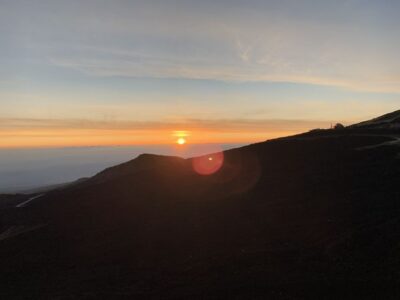 ★ 4.8Catania: Sunset Jeep Tour of Mount Etna and Lava Flow CavesFrom $712,113 reviews
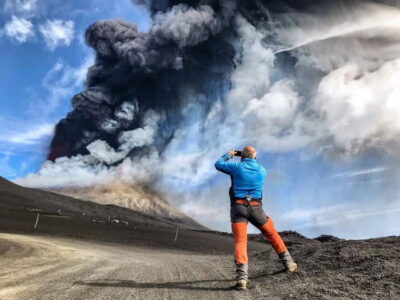 ★ 4.7Mount Etna: Trek to 3000m with cable car and jeepFrom $621,978 reviews
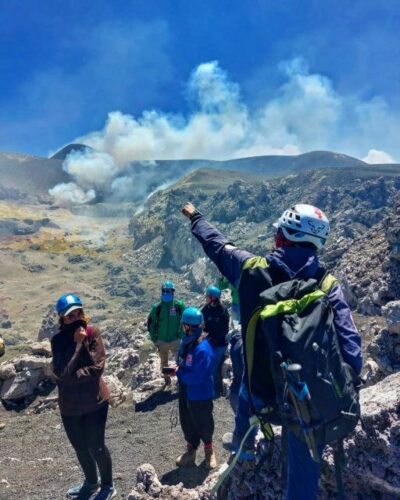 ★ 4.8Mount Etna: Summit Crater Trek with Cable CarFrom $771,875 reviews
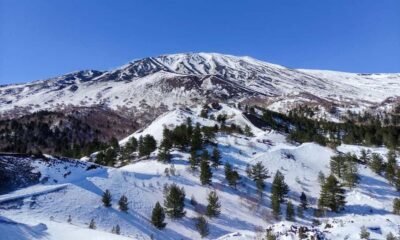 ★ 4.8Sicily: Etna and Alcantara Gorges Full-Day Tour with LunchFrom $1051,766 reviews
 ★ 4.3Mount Etna: Roundtrip Cable Car and 4×4 Bus TicketFrom $971,602 reviews
 ★ 4.7Etna Volcano: South Side Guided Summit HikeFrom $671,545 reviews
Filed under