
Reviewed · MOUNT ETNA TOURS
Etna Volcano: South Side Guided Summit Hike
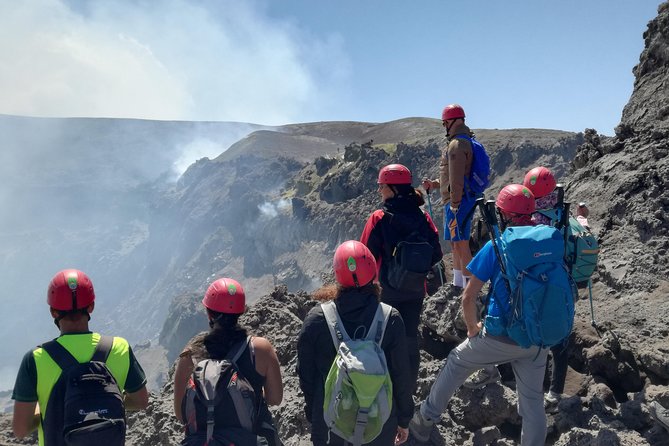
Etna is raw power in hiking form. You ride up to 2,500 meters by cable car, then walk out onto summit-crater rims with a certified mountain and volcano guide, learning how this active volcano works as you go. I especially love the up-close crater views and the hands-on sense of volcanic geography, but one thing to plan for is that access can change day to day when activity or conditions make certain crater areas unsafe.
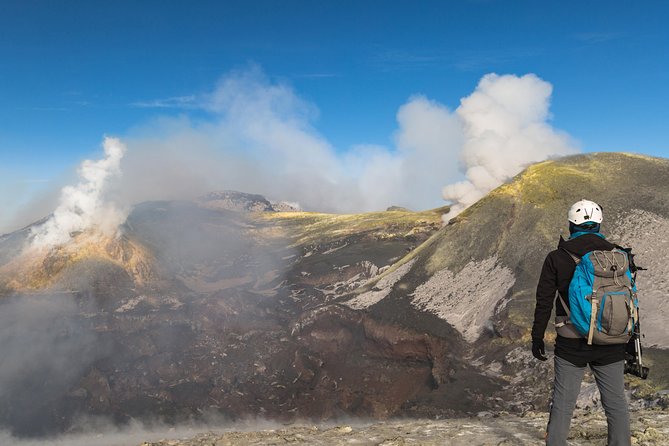
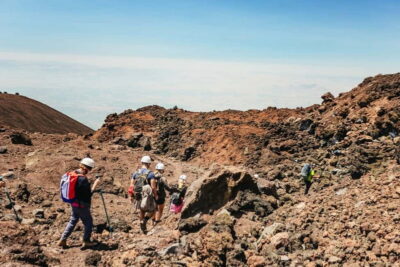
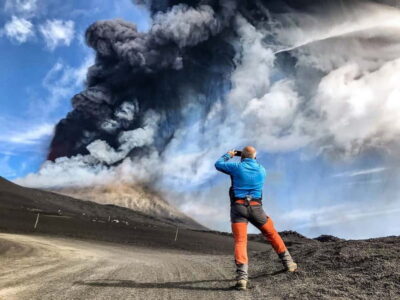
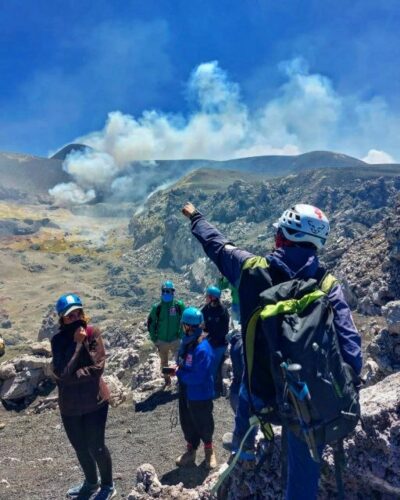
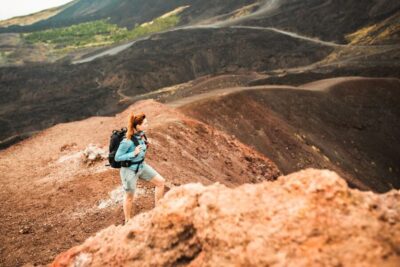
The route is built around real volcanic terrain, not just lookout points. You’ll trek over lava flows and through sections of lunar-like landscape, then return with more crater views and a chance to cross a lava channel area during the descent. The guides typically keep things safe and flexible, and many guests mention feeling well cared for even when Etna is actively sending off signs of trouble.
This is not a casual stroll. It’s a medium-high difficulty hike on sandy and uneven ground, at altitude, with cold wind possible up high, and you need a jacket plus warm layers even in seasons that feel mild lower on the mountain. If you get winded easily, have respiratory or heart issues, or struggle with vertigo, this likely is not for you.
In This Review
- Key things I’d put on your radar
- Meeting Etna at Rifugio Sapienza (Etna South)
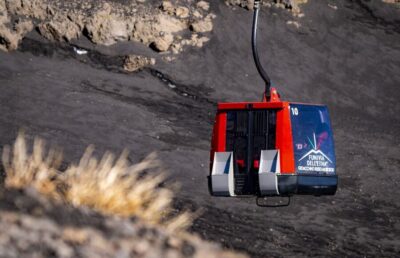
- The cable car ride to 2,500 meters, and why it matters
- Stop on the hike: viewpoints and first volcanic terrain
- Cratere Centrale dell’Etna: rim views and the big crater story
- Valle del Bove: walking through a vast volcanic valley
- Descent stop: Barbagallo craters and a lava channel crossing
- Cable car back down and ending at the same meeting point
- Guides and group vibe: where reviews really point
- Difficulty, comfort, and what to pack (so you don’t suffer)
- Price and value: what you pay, what you still need to pay
- Should you book the Etna South guided summit hike?
Key things I’d put on your radar
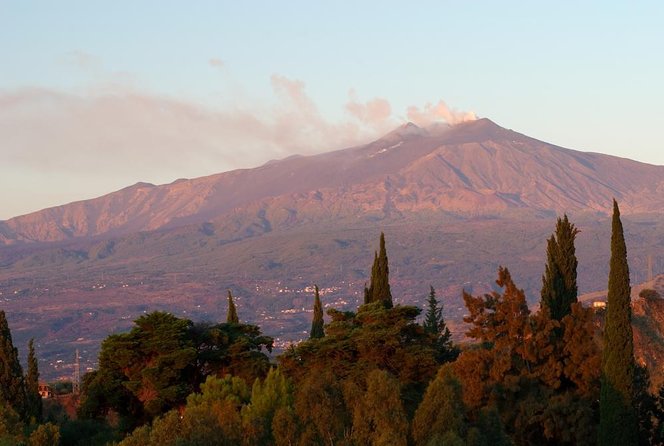
- Cable car to 2,500 m first, so your hike is focused on volcanic terrain instead of a long grind from sea level.
- Rim-walking photo stops at the summit craters, with views of the Central Crater and the Northeast and Southeast Craters from close range.
- Lava channel crossings and lunar-like ground that make Etna feel tangible, not theoretical.
- A certified guide who talks geology in real time, so the landscape details connect to the active volcanic process.
- Gear included for the hike (boots, helmet, walking sticks), which lowers friction if you did not pack hiking equipment.
- Safety-led itinerary changes when crater access is restricted, and the day’s plan can shift up to the maximum allowed altitude.
Meeting Etna at Rifugio Sapienza (Etna South)
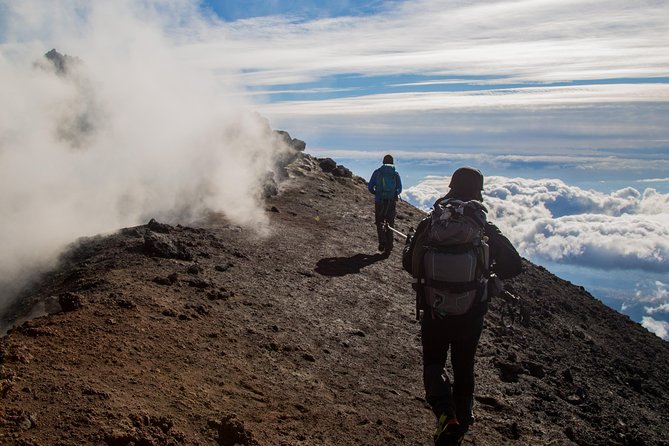
You start at Ashàra Volcanological Guides in Sicily, at the info point by Rifugio Sapienza in the Etna South area, close to the Terrazza dell’Etna restaurant. This is a smart setup because you are staging right where the cable car system and most visitor access to Etna’s higher starting zones converge.
What I like about this start is how quickly it turns into action. There is no long bus ride to “maybe” get you close to the good parts. You meet your guide, get your safety gear, and then you’re off to the cable car portion that lifts you into the altitude zone fast.
One practical note that matters: the hike is designed for people comfortable on uneven, sandy surfaces. If your usual walking style is smooth pavement only, you’ll want to take this seriously and pack layers and traction-friendly socks.
Other Mount Etna tours in Mount Etna that earned their own write-up.
- Mount Etna: Guided Volcano Summit Hiking Tour with Cable Car
★ 4.7 · 3,784 reviews - Catania: Mount Etna Trekking Trip off the Tourist Path
★ 4.9 · 1,351 reviews - Mount Etna: Summit Trek with Cable Car and snack included
★ 4.7 · 278 reviews - Mount Etna: Half-Day Guided Tour and Hike
★ 4.4 · 264 reviews
The cable car ride to 2,500 meters, and why it matters
The itinerary includes a cable car ride that takes you up to about 2,500 meters. It is only around 25 minutes, but it changes the whole feel of the day. Instead of spending hours climbing, you spend more time at the elevations where the summit-crater terrain is visible and accessible.
It also sets expectations. You are going higher, faster, and the temperature can swing in a way that surprises people. A few guests recommend dressing warm because the mountain can be cold up top, and at least one group encountered snow in late spring. That’s not something you can rely on, but you can rely on this: if you run cold, bring layers.
Important cost detail: the cable car ticket is not included in the tour price. The tour requires a 52 EUR per person cable car ticket paid on the spot, and it is cash only. If you arrive with no cash, you can lose time and energy at the moment you want to feel ready.
Stop on the hike: viewpoints and first volcanic terrain
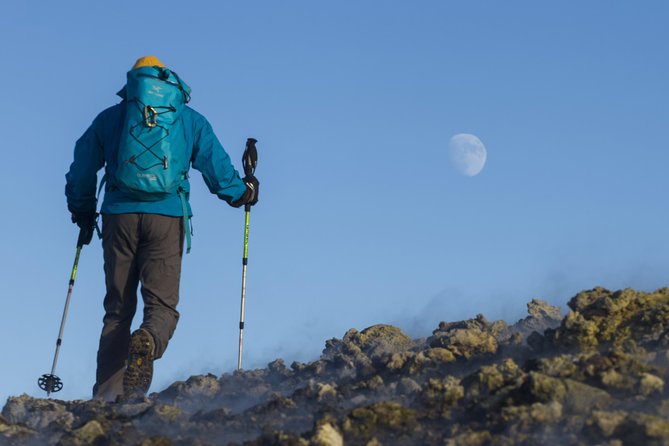
After the cable car, you begin a roughly 2-hour hike that moves through lava flows and the kind of barren, moonlike scenery Etna is famous for. Early on, you get short viewpoint breaks before you commit to the main crater walking section.
This part is more than a warm-up. Those early stops help you build context before you stare into the craters. When you understand what you are seeing, the photos look better too, because you are capturing features with names and a sense of scale.
If it’s windy, the ascent can feel tougher than you expect even if the official distance is not huge. I’d plan your pace like you would at altitude: slower than you think, with regular pauses.
Cratere Centrale dell’Etna: rim views and the big crater story
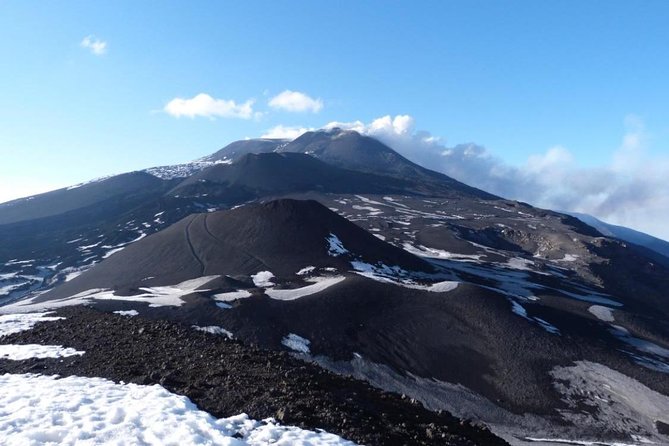
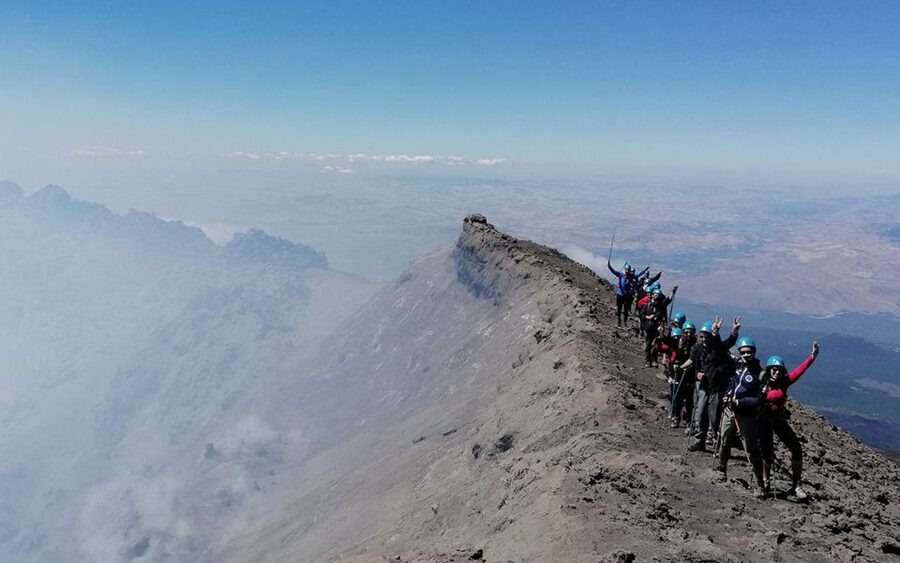
This is the headline section. You reach the Cratere Centrale dell’Etna area and spend about 1.5 hours with scenic stops along the way, then up to one hour for a guided tour and photo time at the summit zone.
Here is what you’re aiming to see:
- The rim of the summit craters, where you can take photos that feel like you are standing inside a science textbook.
- Views of the Northeast Crater and the Southeast Crater, including the Southeast Crater’s role in recent and impressive eruptions.
You will also get an explanation of what makes the ground look the way it does. The summit area can show striking colors due to sublimation of elements, with sulfur often a big piece of the story. You might also notice gases and other active signs like volcanic bombs in the broader environment, depending on what is happening that day.
Why this is worth it: Etna is active, which means the “where and why” matters. A guide turns random sightlines into a timeline of volcanic behavior. Many guests praised their guides for answering questions and keeping the information connected to what they were seeing step by step.
Possible drawback here: crater access can be restricted on active days. The tour can adjust, and you might not reach the exact highest crater rim you were hoping for. Even with that, the day can still be spectacular because the route is designed to keep you close to meaningful volcanic features, not just to common viewpoints.
Valle del Bove: walking through a vast volcanic valley
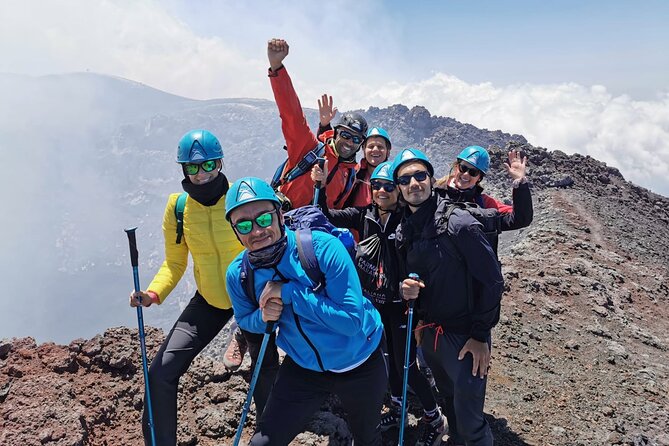
As you continue, you reach Valle del Bove, where the itinerary includes about 1 hour of hiking. This section shifts your focus from tight crater rims to a broader, sprawling sense of what Etna has shaped over time.
The terrain here is still uneven and sandy, and it’s still at altitude, but it’s a different kind of “wow.” You stop thinking only about one crater and start seeing Etna as a system, with valleys and structures that connect to eruptions and collapse patterns.
If you get tired, this is where you’ll appreciate the pace your guide sets. More than one guest mentioned the guides being careful about group safety and keeping people together without rushing the slowest walkers.
Descent stop: Barbagallo craters and a lava channel crossing
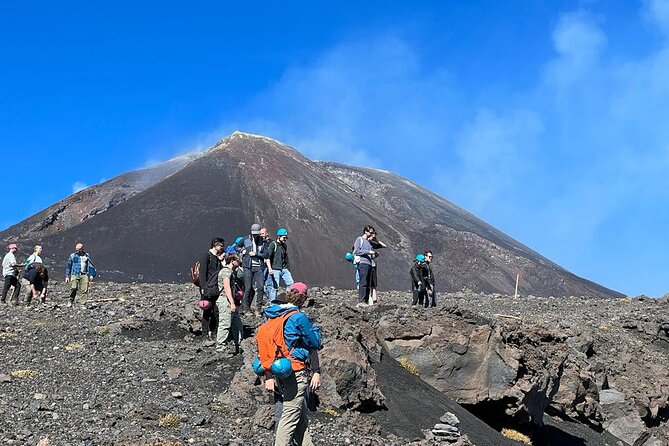
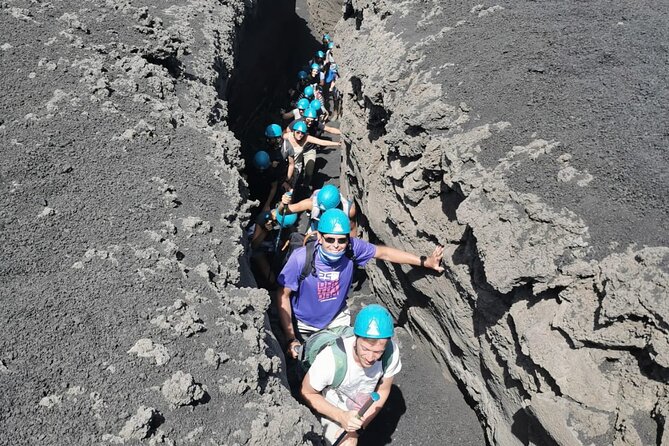
On the way down, the plan includes a visit to the Barbagallo craters and a crossing of a lava flow channel. This is one of those sections that feels oddly real, because you are stepping near evidence of past flows.
What makes it memorable is that it’s not a fenced-off viewing area. You see how lava channels guide the shape of the terrain, and the guide can connect that to eruption behavior. Even if you are not a geology person, it becomes a visual puzzle you can understand.
Do not treat this like easy hiking. Lava-field ground can be unstable and dusty. Use the walking sticks if you have them. They are included, and they genuinely help if your knees feel “risky” on the descent.
Pinned to the same map of Mount Etna, more hikes and treks.
Cable car back down and ending at the same meeting point
You return to the cable car at about the 2,500 m level again and ride back down, finishing back at the starting area: Ashàra’s info point near Rifugio Sapienza.
What I like about ending where you started is simple logistics. No mystery shuttles. No complicated “meet at the other side of the mountain” problem. You can head out for food or coffee afterward without needing a plan.
Guides and group vibe: where reviews really point
One big theme in the feedback is that the guides bring the trip to life and keep it safe. People name guides like Antonio, Giovanni, Massimo, Nello, Marco, Mary, and Max and describe a similar pattern: clear explanations, a steady pace, and adjustments when Etna is acting up.
You can also count on real equipment support. The tour includes hiking boots, a rock helmet, and walking sticks. Several guests mention being helped with supplies, and at least one noted that service could include extra jackets when temperatures surprised the group.
Group size can affect how smooth the start feels. One report mentioned a larger group where it took time to outfit everyone with boots and helmets before heading to the gondola. It still worked, but it is a good reason to arrive early and not assume you will breeze through check-in.
Difficulty, comfort, and what to pack (so you don’t suffer)
This hike is described as moderately trained, with a medium-high difficulty level. You should be comfortable hiking on sandy or uneven terrain. If you are used to firm trails only, this will ask more from your legs and your pacing.
Here is what to bring, based on the guidance you’re given:
- Sunglasses
- Sun hat
- Sunscreen
- Food and snacks
- Water
- Jacket plus extra warmth if you run cold
- T-shirt and long pants
- Socks
- Daypack (10-20L is suggested)
And a couple of practical add-ons based on what people found helpful on real days:
- Trekking poles can be a lifesaver on uneven sandy ground and especially for descending.
- Consider a face cover. Some guests recommend it for comfort around dust and volcanic conditions.
- Bring a plan for cold. Even on sunny days, altitude wind can cut fast.
What is not allowed: pets, shorts, baby strollers, luggage or large bags, and sleeveless shirts. That tells you the operator expects real hiking gear to be the baseline.
Who should go:
- Fit hikers who can handle altitude and uneven ground.
- People who want real crater views and want the geology explained live.
- Anyone traveling with an open mindset because the volcano can force changes.
Who should think twice or skip:
- Children under 9
- Pregnant women
- People with back problems, vertigo, respiratory issues, heart problems, or high blood pressure
- Wheelchair users
Price and value: what you pay, what you still need to pay
At $67.97 per person for a 6-hour guided hike, the base price is aimed at covering the guided hiking portion and safety gear. Included items are hiking tour leadership, a volcano or alpine multilingual guide, hiking boots, accident insurance, a rock helmet, and walking sticks.
The big separate cost is the cable car ticket at 52 EUR per person, payable on the spot and cash only. Food and water are also not included.
So is it good value? In my view, yes, if you want the guide-led crater rim experience and you do not want to source your own helmet and walking gear. If you already own solid hiking boots, poles, and you have no interest in crater geology explanations, the value swings a bit. But if you want to understand what you are standing on and you like structured safety with real volcanic expertise, this price is less about convenience and more about getting the right access with the right guidance.
Also watch for day-to-day realities. Etna is active, so it’s possible the exact crater rim access you pictured can be reduced. In that case, your value comes from the parts you still get, like crater views, lava features, and the guided explanations, not just the highest point.
Should you book the Etna South guided summit hike?
If you want a hands-on Etna experience with summit-crater rim views, lava terrain, and a guide who ties the visuals to how the volcano behaves, this is a strong pick. It is also a good choice if you travel light and want the hike portion to come with boots, helmet, and sticks so you are not hunting rentals in advance.
Book it if:
- You are comfortable with medium-high difficulty hiking on uneven terrain.
- You can handle altitude and cool wind up high.
- You care more about understanding Etna than ticking a box for one exact crater.
Skip or consider alternatives if:
- You have vertigo, respiratory or heart concerns, or you know altitude hiking is tough for you.
- You are only looking for easy walking or guaranteed access to the highest crater areas every single time.
- You dislike the idea of paying for the cable car separately with cash only.
Final thought: Etna does not do quiet, polite tourism. But that is why this hike is so memorable. Done with the right guide, with the right gear, it turns volcanic danger into volcanic education, one step at a time.
Keep Comparing Hikes and Treks in Mount Etna
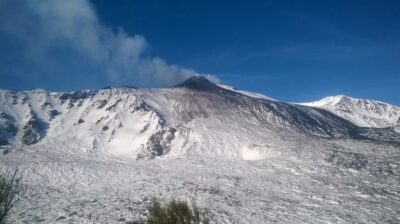
Beside This One, Mount Etna Tours in Mount Etna
Not quite the day you had in mind? The rest of our Mount Etna write-ups sit below
- From Catania: Mount Etna Half-Day Tour and Wine Experience★ 4.5 · 214 reviews
- Etna: Craters of the 2002 Eruption Trekking Experience★ 4.8 · 218 reviews
- Mount Etna: Half-Day Guided Tour and Hike★ 4.4 · 264 reviews
- Mount Etna: Summit Trek with Cable Car and snack included★ 4.7 · 278 reviews
- Catania: Mount Etna Trekking Trip off the Tourist Path★ 4.9 · 1,351 reviews
- Mount Etna: Guided Volcano Summit Hiking Tour with Cable Car★ 4.7 · 3,784 reviews
Mount Etna Tours, top to bottom.
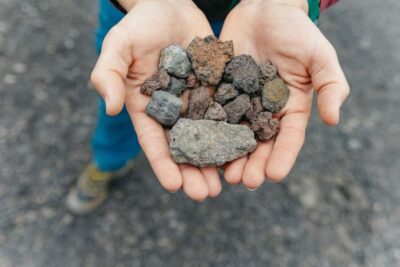 ★ 4.8Catania: Mount Etna Morning or Sunset Day Trip with TastingFrom $704,028 reviews
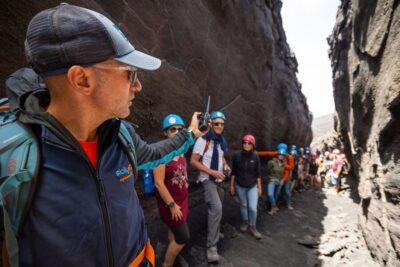 ★ 4.7Mount Etna: Guided Volcano Summit Hiking Tour with Cable CarFrom $1243,784 reviews
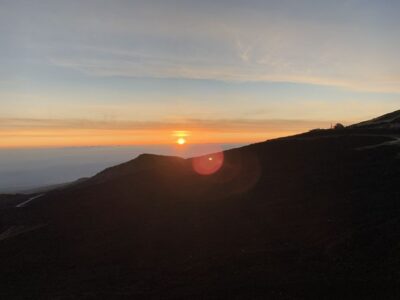 ★ 4.8Catania: Sunset Jeep Tour of Mount Etna and Lava Flow CavesFrom $712,113 reviews
 ★ 4.7Mount Etna: Trek to 3000m with cable car and jeepFrom $621,978 reviews
 ★ 4.8Mount Etna: Summit Crater Trek with Cable CarFrom $771,875 reviews
 ★ 4.8Sicily: Etna and Alcantara Gorges Full-Day Tour with LunchFrom $1051,766 reviews
 ★ 4.3Mount Etna: Roundtrip Cable Car and 4×4 Bus TicketFrom $971,602 reviews
 ★ 4.9Catania: Mount Etna Trekking Trip off the Tourist PathFrom $781,351 reviews
Filed under