

Reviewed · TIRAMISù & GELATO CLASSES
Milan Culinary Experience: Pasta & Gelato or Tiramisù Class
Pasta secrets start at Milan Centrale. This small-group class teaches you fresh pasta shapes and includes a gelato session you can actually use at home, all wrapped into a wine-fueled lunch. You meet above Mercato Centrale at 11:00 and spend about three hours making, learning, and then sitting down to eat.
Two things I really liked: the teaching is practical, with hands-on steps for tagliatelle and ravioli so you understand what to do, not just what to watch. I also liked the gelato portion, especially the way the chef walks you through natural flavor and the freezing technique, plus how to eat gelato the right way using a cone.
One possible drawback to plan for: the meal can be served as a group production, so you might not end up eating the exact pasta portion you formed yourself. If that matters to you, I’d go in with the mindset of learning more than collecting a perfect plate.
In This Review
- Key Highlights You’ll Care About
- Entering Mercato Centrale at 11:00, Not in the Wrong Place
- What You Actually Learn: Tagliatelle and Ravioli, Step by Step
- Sauce Choices and Cheese Fondue: When Pesto or Carbonara Shows Up
- Gelato Making: Natural Flavors, Freezing Technique, and the Cone Trick
- The Meal and the Wine: A Real Sit-Down Lunch (With Room for Conversation)
- Meet the People Behind the Pasta: Matteo and Fabrizio’s Teaching Style
- Dietary Needs: Vegetarian Options Exist, Celiacs Need Not Apply
- Price and Value: Why $85.32 Can Make Sense
- Who This Works For (and Who Should Skip It)
- Small Details That Can Make or Break Your Day
- Should You Book This Milan Pasta and Gelato Class?
- FAQ
- What is the duration of the Milan Pasta & Gelato or Tiramisù Class?
- Where is the meeting point for the class?
- Does this class include pasta and gelato, or tiramisù?
- What food and drinks are included?
- Is the class vegetarian-friendly?
- Is this class suitable for people with celiac disease?
- Does the class offer pickup or drop-off?
- What language is the class taught in?
- Can children participate?
- Is there a free cancellation option?
Key Highlights You’ll Care About
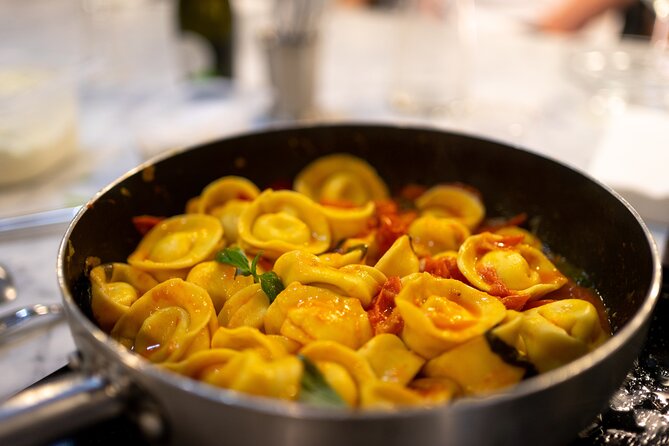
- Small-group format (max 20), which makes it easier to get real-time feedback as you shape dough
- Two pasta types built around tagliatelle and ravioli, with sauces that shift by the season
- Gelato-making demo plus cone know-how, including natural flavors and freezing technique
- Lunch with included wine and soft drinks for children, served as part of the experience
- You leave with take-home tools, including a digital recipe booklet and a graduation certificate
Entering Mercato Centrale at 11:00, Not in the Wrong Place
This class runs from 11:00am and lasts about three hours, and it starts at a very specific spot: the Towns of Italy Cooking School area, Milanpresso Mercato Centrale, on Via Giovanni Battista Sammartini (Primo Piano, the first floor above the market). The meeting point is easy to reach using public transport, but it is not a hotel pickup situation, so you’ll want to build in time to find it.
Mercato Centrale is one of those places where you can easily lose track of time while looking around. That is exactly why I recommend arriving early, even if you feel confident with your route. One important detail: if you are late, you may not get let in, and that’s not the kind of mistake you want to make while trying to start a hands-on class.
The upside of the location is that you get a very Milan moment right away. You are in the “food hub” zone of the city, and it feels more like a local lunch experience than a staged cooking demo in a back room. You’ll also be done back at the meeting point, so you can pivot into sightseeing after.
A short passeggiata through our other tiramisu and gelato classes in Milan.
- The Secrets to Learn Fresh Pasta and Tiramisù in a Glam Home
★ 5.0 · 1,182 reviews - Milan: Pasta and Tiramisu Cooking Class with Wine
★ 4.8 · 1,106 reviews - Gnocchi, Pasta, Tiramisù and Wine Class
★ 5.0 · 691 reviews - Milan: Pasta and Tiramisu Small Group Cooking Class with Wine
★ 5.0 · 660 reviews
What You Actually Learn: Tagliatelle and Ravioli, Step by Step
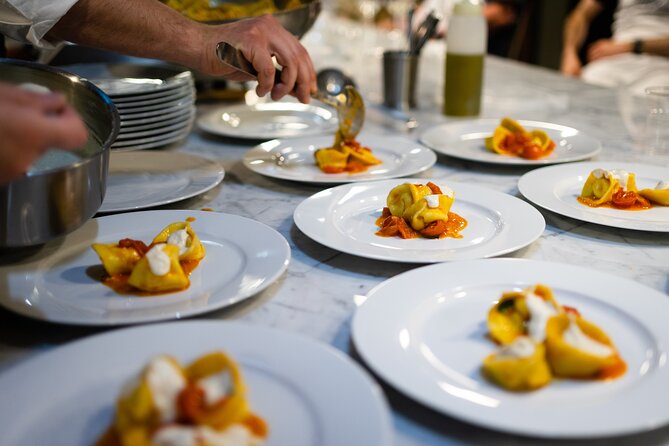
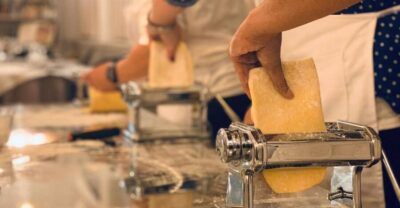
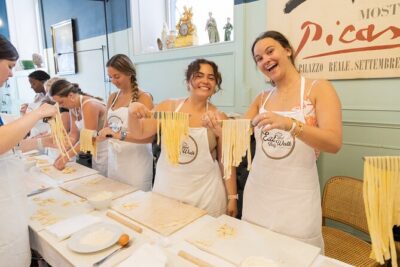
The core of the class is fresh pasta, and it is not just about sitting and watching. You make two pasta types, generally tagliatelle and ravioli, using dough and shaping steps you can repeat later.
Tagliatelle teaches you something simple but important: how the dough behaves. Thickness matters, and so does handling. You learn the basics that affect texture, like keeping your work surface right and not rushing when the dough needs a moment.
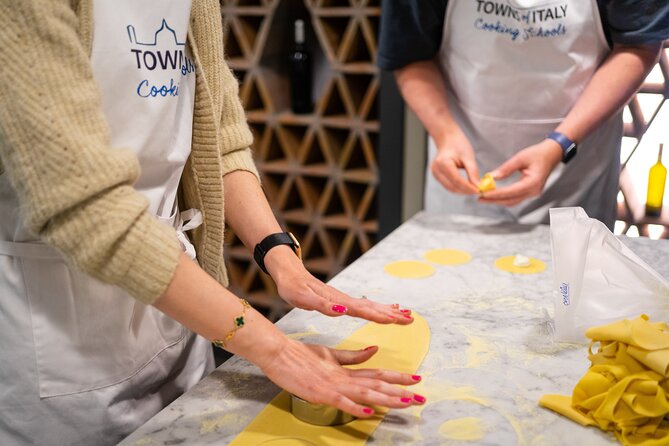
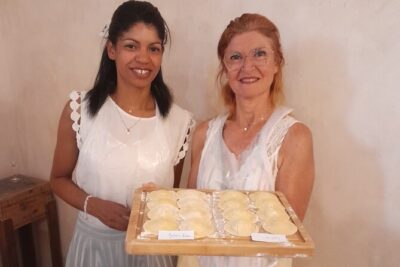
Then you move into ravioli territory, which adds the fun part: filling and sealing. Ravioli is where you learn how to get a good closure so it stays intact while cooking. The class menu commonly includes ravioli as a featured item, and that matches the way many people remember the final meal.
A key value here is feedback. The group size is capped at 20, and in practice it often feels smaller, with people describing groups around the high teens or even closer to a dozen. That matters because you will shape things with your hands, and when something looks off, you want quick corrections before you repeat the same mistake for the whole table.
And if you’re the kind of person who thinks you’re bad at cooking, I’ll say this clearly: pasta dough is forgiving if you know what to watch for. The class is designed to teach you the signals, not just the steps.
Sauce Choices and Cheese Fondue: When Pesto or Carbonara Shows Up
After pasta comes sauces. The class is built around seasonal options, and the exact flavors can vary, but you can expect combinations in the family of pesto and carbonara, plus a cheese-forward element that’s described as cheese fondue in the general menu outline.
This is a good moment to pay attention, because sauces are where “learning” turns into “actually tasting Italy.” You are not just learning how to cook pasta, you’re learning how the sauce is meant to cling, how it balances richness, and when it should feel glossy instead of heavy.
Also, you’ll likely smell the sauces before you fully understand the recipe. That’s normal. A lot of the learning is in understanding how ingredients behave in a kitchen rhythm, and your chef will guide you through what is happening and why.
One practical tip from the class vibe: if you have preferences, speak up about sauces. The experience notes that alternative recipes can be prepared with advance notice, and at least some sessions have shown flexibility when it comes to sauce style for different tastes.
Gelato Making: Natural Flavors, Freezing Technique, and the Cone Trick
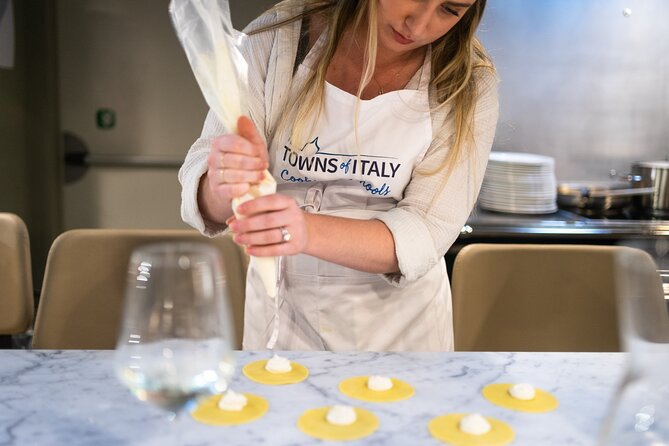
The gelato part is more than dessert theatre. You get a homemade gelato preparation demonstration, including how natural flavors play into the final taste and how freezing technique affects texture.
That freezing step is the real education. Gelato can go wrong when it is too icy or too soft, and the difference comes down to temperature control and handling. The chef’s goal is to show you the mechanics you can repeat later, even if your freezer is not identical to a professional setup.
And you get an extra detail that makes the gelato moment practical: you learn how to make the cone for eating gelato. That might sound minor, but it changes the whole experience. You’re not just handed a cup, you’re learning a simple format that helps gelato stay enjoyable to the end.
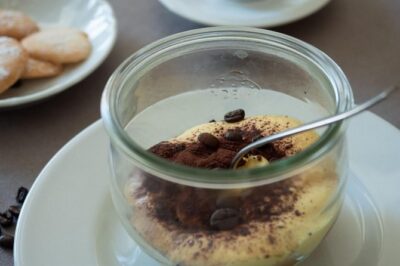
Dessert options also depend on the date you book. Until March 1, 2026, the dessert included is gelato. Starting March 1, 2026, classes feature tiramisù instead. So if tiramisù is your must-have, plan your dates accordingly.
The Meal and the Wine: A Real Sit-Down Lunch (With Room for Conversation)
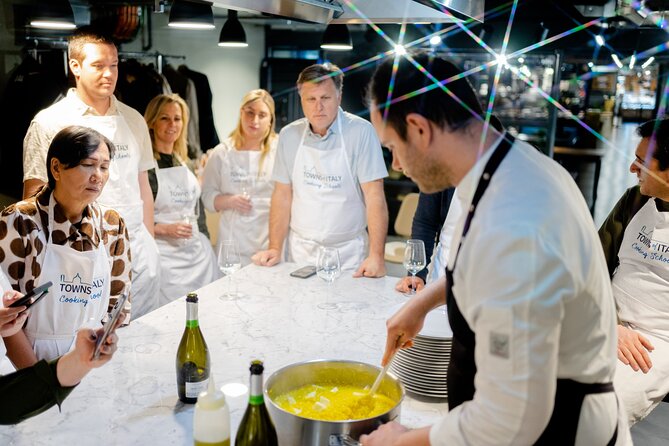
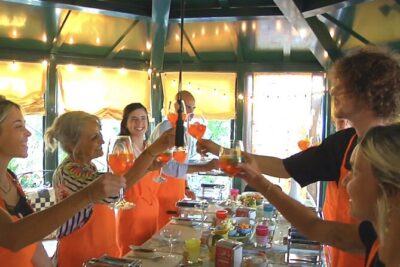
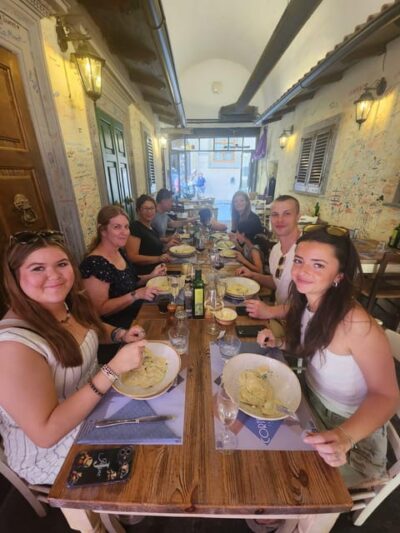
After the hands-on work, you eat. Lunch is included, along with wine and soft drinks for children. The experience is framed as a shared meal, and that’s how it usually feels: people gather around the results and talk while the kitchen stuff winds down.
One thing I appreciate about this format is that it makes the class feel like a lunch invitation from a friend who happens to know what they are doing. You’re not racing to finish and then disappearing. You sit, taste, and compare notes.
There is also a social benefit to the small group. When the crowd is around 20 or less, you start to recognize faces quickly. A few participants have mentioned how this is great even if you’re traveling solo, because you’re not stuck in a huge anonymous room.
That said, do not assume everyone starts chatty. Some groups start a little reserved and open up once the cooking turns into shared progress. If you’re a little shy, you might find it easier to ask questions when the chef demonstrates something, because everyone can connect to the same moment.
Practical food advice: don’t go in starving, but do not overeat beforehand either. One useful tip from the class experience is that you’ll enjoy it more if you arrive with room to taste your lunch.
Meet the People Behind the Pasta: Matteo and Fabrizio’s Teaching Style
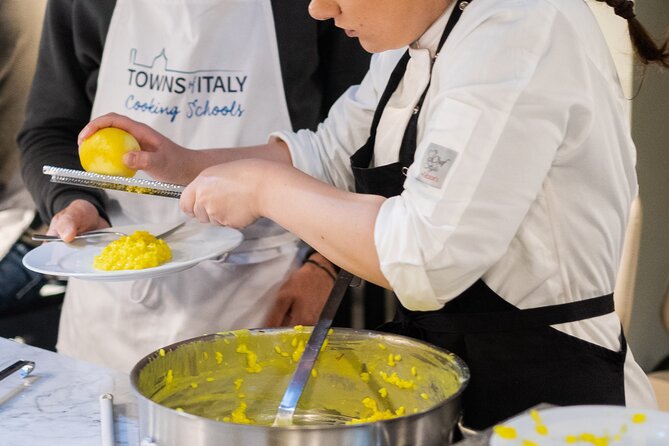
The class stands or falls on the teaching, and several instructors have been called out by name, especially Matteo (and sometimes Alfredo), with Fabrizio showing up as a helpful assistant in many sessions.
What people appreciate most is that the chefs do not just tell you what to do. They explain, they answer questions, and they keep it interactive. Some sessions involve volunteers during demonstrations, which helps you feel involved even if you’re not standing at the exact station for every step.
The good news for you is that this kind of instruction style helps at two levels. If you are brand new to pasta, you get clear, step-based coaching. If you have made pasta before, you still pick up “small but real” technique details, like how to shape, how to manage dough, and how to pair sauce choices to the pasta texture.
Clean facilities matter too. Clean workstations make hands-on cooking feel less stressful. In this class, that gets positive attention, and you’ll likely feel it the moment you wash up and start rolling dough.
The same shortlist carries more pasta classes in Milan.



Dietary Needs: Vegetarian Options Exist, Celiacs Need Not Apply
This experience is a good match for many diets, with clear limits.
Vegetarians are welcome, and alternative recipes are available. The important part is timing. You should let the operator know about dietary restrictions in advance, so your sauce and pasta plan can be adjusted before you arrive.
Allergy support is also addressed in the overall notes, with a request for advance notice. That means you should provide specifics when booking or shortly after, rather than hoping it will be handled on the fly.
The class is not suitable for Celiacs. That is not a small detail, so if gluten is an issue for you, skip this one. If you are dealing with intolerance or allergies, confirm with the operator before you book, since the class format involves shared kitchen tools and prep.
Price and Value: Why $85.32 Can Make Sense
Let’s talk money without hand-waving. At $85.32 per person, you are paying for:
- About three hours of instruction and hands-on cooking
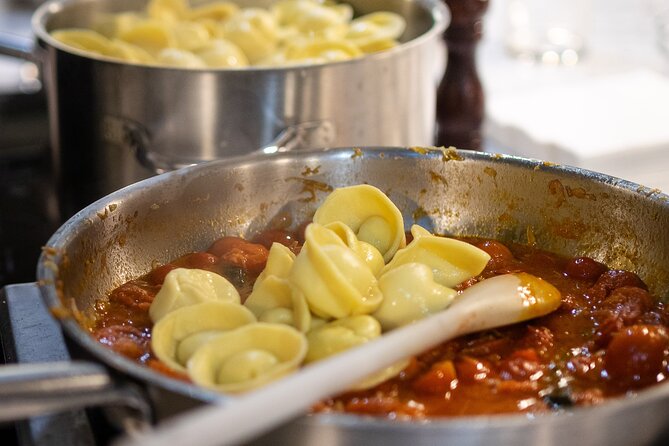
- Making tagliatelle and ravioli
- A gelato preparation demonstration, plus learning how to make the gelato cone
- Lunch with wine and soft drinks
- A digital recipe booklet
- A graduation certificate
For Milan, that package can be a strong value when you factor in both the food and the instruction. Most casual meals will cost enough that you only get dinner out, not a new skill. Here, you leave with techniques you can repeat, plus a take-home recipe guide so you don’t forget what you did five days later.
One thing to consider is that you are not just buying a meal, you’re buying time with a chef and a process. If you love cooking classes or you enjoy learning by doing, this price is easier to swallow. If you only want to eat and you do not care about the method, you might decide it’s more than you need.
Also, you get a certificate. It is paper, sure, but it reflects the structured, student-like approach of the experience. It helps make the class feel like a real “you did it” moment.
Who This Works For (and Who Should Skip It)
This is a strong pick if you want an authentic Milan food experience that is:
- Hands-on, not just observational
- Small group, so you get attention
- Built around classic Italian comfort food, pasta plus gelato (or tiramisù later)
It also fits families. The notes say soft drinks are included for children, and children and teens under 18 must be accompanied by at least one adult.
If you travel solo, the class can be an easy way to meet people because you share the same stations and the same meal. One more bonus is that the chef may also share restaurant or gelato shop recommendations during the experience, which helps you extend the day beyond the class.
If you have celiac disease, I would skip it since it’s not suitable for celiacs. If your schedule is tight, also think about timing. Starting at 11:00 and ending back at the meeting point means it’s best for travelers who can handle that block of time.
Small Details That Can Make or Break Your Day
A few practical notes from how the experience runs:
- Arrive early so you can find the school above Mercato Centrale without stress.
- Expect that the final meal may be served as a group result, so focus on learning, not on scoring a perfect plate that matches your exact handwork.
- Don’t plan to come straight from a huge meal. You’ll want space for pasta and dessert.
- Bring your appetite and your questions. The format works best when you participate.
And one more date-based point: gelato is included until March 1, 2026. After that, tiramisù replaces gelato in classes. If you care about dessert choice, confirm the date before you book.
Should You Book This Milan Pasta and Gelato Class?
I think you should book it if you want a hands-on Milan food experience, not a short tour with a few bites. The small group size, the instruction on tagliatelle and ravioli, and the gelato-making demonstration make it feel like you’re earning a skill, then rewarding yourself with lunch.
Skip it if you need a gluten-free setup for celiacs, or if you only want to eat and would be disappointed by a shared, group-style meal. Also, if finding the meeting point feels stressful for you, plan extra time for the Mercato Centrale first-floor location.
If you do book, arrive early, ask questions while you cook, and go with the mindset that learning matters more than matching your exact pasta portion to your plate. That approach will make the whole three hours feel like money well spent.
FAQ
What is the duration of the Milan Pasta & Gelato or Tiramisù Class?
It runs for about 3 hours.
Where is the meeting point for the class?
You meet at Towns of Italy – Cooking School – Milanpresso Mercato Centrale, Via Giovanni Battista Sammartini, 1/Primo Piano, 20125 Milano MI, Italy.
Does this class include pasta and gelato, or tiramisù?
Until March 1, 2026, the dessert included is gelato. Starting March 1, 2026, classes feature tiramisù.
What food and drinks are included?
You get lunch with wine and soft drinks for children, plus the pasta you cook and the dessert included. A gelato preparation demonstration is also included.
Is the class vegetarian-friendly?
Yes. Vegetarians are welcome, and vegetarian and alternative recipes are available if you share your dietary needs in advance.
Is this class suitable for people with celiac disease?
No. The class is not suitable for Celiacs.
Does the class offer pickup or drop-off?
No. Pick up and drop off at the hotel are not included.
What language is the class taught in?
The class is offered in English.
Can children participate?
Children and teens under 18 must be accompanied by at least one adult, or they may be excluded from the experience with no refund.
Is there a free cancellation option?
Yes, you can cancel for a full refund up to 24 hours before the start time. If you cancel less than 24 hours before, the amount paid is not refunded.
Pasta Classes in Milan Worth Weighing Up
Further Tiramisu and Gelato Classes We Cover in Milan
Not quite the day you had in mind? The rest of our Milan write-ups sit below
- Milan: Duomo and The Last Supper Skip-the-Line Guided Tour
- From Milan: Exclusive Boat, Lake Como, Bellagio, and Lugano Tour★ 4.5 · 168 reviews
- Pinacoteca Ambrosiana and da Vinci’s Codex Atlanticus admission in Milan★ 4.5 · 169 reviews
- Pizza Cooking Class with Tiramisù and Wine Tasting in Milan★ 5.0 · 172 reviews
- Milan: Exclusive Access with Last Supper visit & Guided Tour★ 4.5 · 173 reviews
- Milan: Private Professional Photoshoot at the Duomo★ 4.7 · 174 reviews
- Step Into History: Leonardo Vinci’s Last Supper Tour★ 4.5 · 175 reviews
- Small-Group Lake Como Experience with boat and van, from Milan★ 5.0 · 179 reviews
- Milan: Street Food Walking Tour★ 4.7 · 180 reviews
Tiramisù & Gelato Classes, top to bottom.
 ★ 5.03 in 1 Cooking Class near Navona: Fettuccine, Ravioli & TiramisuFrom $837,376 reviews
 ★ 5.0Florence Pizza or Pasta Class with Gelato Making at a Tuscan FarmFrom $1456,801 reviews
 ★ 4.9Florence: Pasta & Tiramisu Cooking Class with Unlimited WineFrom $566,708 reviews
 ★ 4.9Rome: Pasta & Tiramisu Class with Fine Wine by the VaticanFrom $414,852 reviews
 ★ 4.9Rome: Pasta Making Class with Wine, Limoncello, and DessertFrom $483,177 reviews
 ★ 4.9Rome: 3-in-1 Fettuccine, Ravioli, and Tiramisu Cooking ClassFrom $812,704 reviews
 ★ 5.0Sorrento Farm and Food Experience including Olive Oil, Limoncello, Wine tastingFrom $1142,524 reviews
 ★ 5.0Learn to Make Pasta & Tiramisu with Wine and Limoncello IncludedFrom $542,345 reviews