
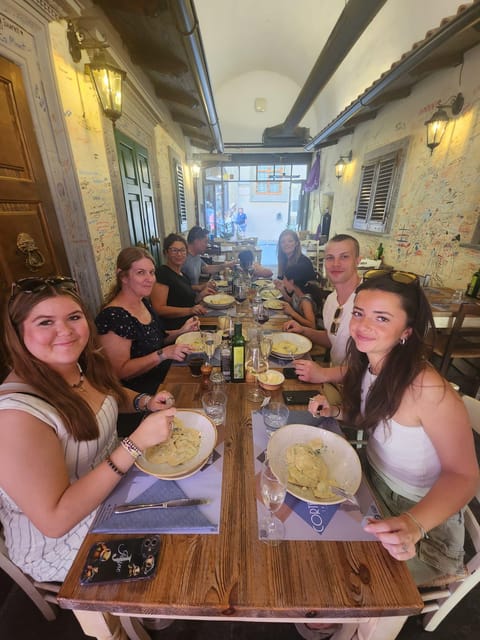
Reviewed · TIRAMISù & GELATO CLASSES
Milan: Pasta and Tiramisu Cooking Class with Wine
Fresh pasta and tiramisu, plus wine, in a real kitchen. I love the hands-on feel, especially the step-by-step work that turns tricky Italian food into something you can actually do at home, and you do it in the heart of Milan’s dining scene. Fresh pasta and tiramisu are the two big wins here, guided clearly in English, with a warm, local vibe.
The one thing to keep in mind is that classes can be social and a bit busy. One review noted a group around 15 to 20, so if you ask a lot of questions, you may need to wait your turn. Still, hosts like Chef Mimo and Damiano keep things moving in a friendly way, even when the kitchen is full and lively.
In This Review
- Key Points to Know Before You Go
- Why This Milan Cooking Class Works Better Than Another Sightseeing Block
- Walk In, Get Prosecco, and See How a Milanese Kitchen Runs
- Making Fresh Pasta: Flour, Dough, and the Pasta Fresca vs Secca Moment
- How the Sauces and Finishing Step Actually Feel in a Shared Kitchen
- Tiramisu Lessons That Teach You What Makes It Taste Right
- Prosecco and Fine Wine With Your Meal, in a Real Pairing Flow
- Dietary Rules: What You Can Request, and What You Should Know Upfront
- Price and Value: Is $61 Worth It in Milan?
- Group Size and the Social Side: Fun, With One Trade-Off
- Who Should Book This Cooking Class (and Who Might Skip It)
- Final Verdict: Should You Book This Milan Pasta and Tiramisu Class?
- FAQ
- How long is the Milan pasta and tiramisu cooking class?
- What is included in the price?
- What language is the instruction in?
- Where do we meet for the class?
- Are there dietary options?
- What are your booking and cancellation options?
Key Points to Know Before You Go
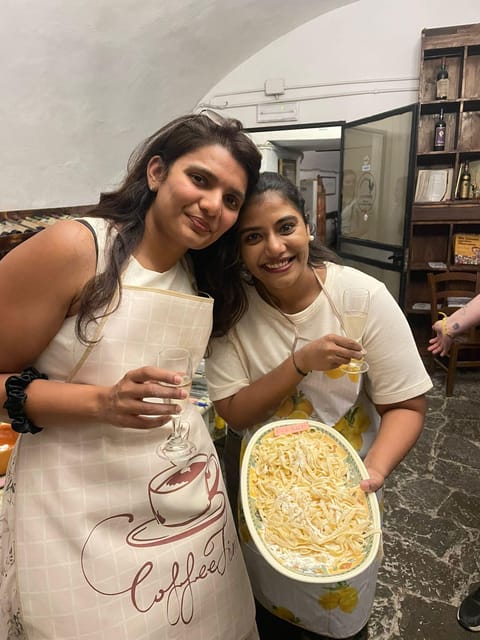
- Prosecco on arrival, then you move right into the kitchen energy
- Fresh pasta from scratch, with practical talk about flour and dough
- Pasta fresca vs. pasta secca, explained in a way you can remember
- Tiramisu guidance, so you know what makes it taste Italian
- Wine with your meal, with what you make becoming your lunch or dinner
- Dietary limits matter, with gluten, dairy, and eggs in the traditional recipe
Why This Milan Cooking Class Works Better Than Another Sightseeing Block
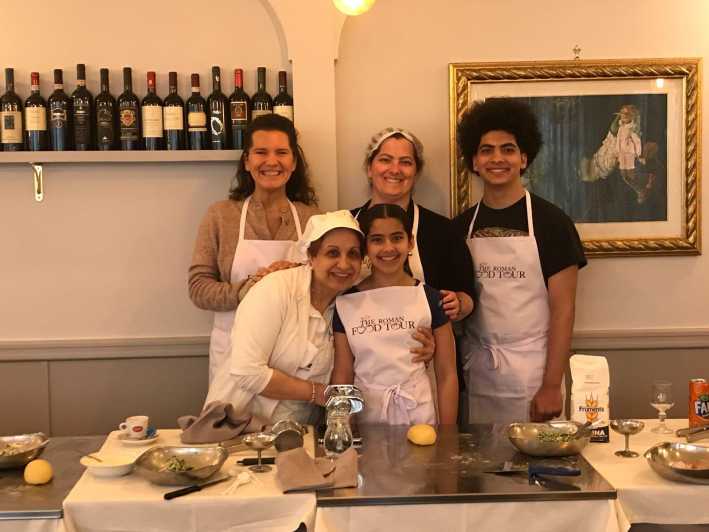
Milan can feel like a nonstop checklist. This class gives your feet a break and puts you to work in a kitchen. And that is the point. You are not just watching food happen, you are making it, tasting it, and learning what matters.
I especially like two things. First, you start with fresh pasta from scratch, not a shortcut. Second, you finish with tiramisu, the dessert that people argue about at family tables. When those two are done well, the whole experience feels like real Italy, not a tourist performance.
One more reason this is a smart pick for a first-time visitor is that it gives you a baseline for Italian cooking. Once you understand how dough should feel, how flour choice affects texture, and how tiramisu is built, you will read restaurant menus differently afterward.
A short passeggiata through our other tiramisu and gelato classes in Milan.
- The Secrets to Learn Fresh Pasta and Tiramisù in a Glam Home
★ 5.0 · 1,182 reviews - Milan: Pasta and Tiramisu Cooking Class with Wine
★ 4.8 · 1,106 reviews - Gnocchi, Pasta, Tiramisù and Wine Class
★ 5.0 · 691 reviews - Milan: Pasta and Tiramisu Small Group Cooking Class with Wine
★ 5.0 · 660 reviews
Walk In, Get Prosecco, and See How a Milanese Kitchen Runs
Your evening starts at a set meeting point, which can vary depending on the option you booked. Then you step inside and get a welcome glass of Prosecco. It is a small touch, but it helps you shift gears fast from street mode to meal mode.
After that, you head behind the scenes to see how an authentic Italian restaurant operates. You get the sense that you are not in a classroom detached from reality. You are in a working environment, with staff and systems that keep service flowing.
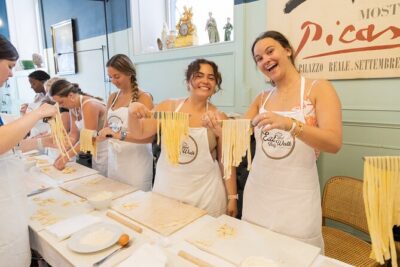
Then it is apron time. You move to your workstation, which matters more than people expect. In a crowded group, having a real space to work is the difference between learning and just getting in the way.
Making Fresh Pasta: Flour, Dough, and the Pasta Fresca vs Secca Moment
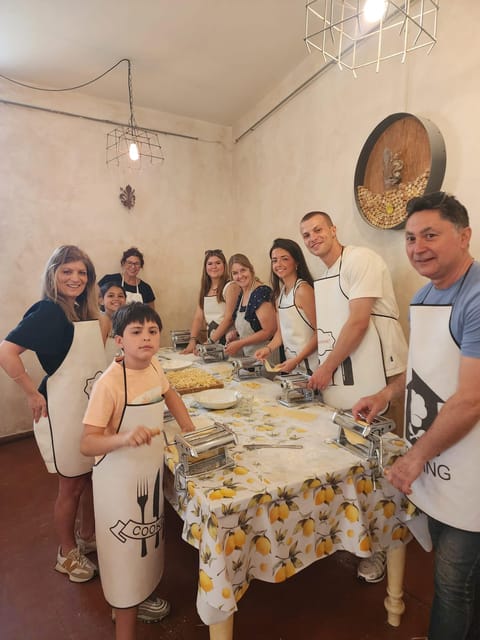
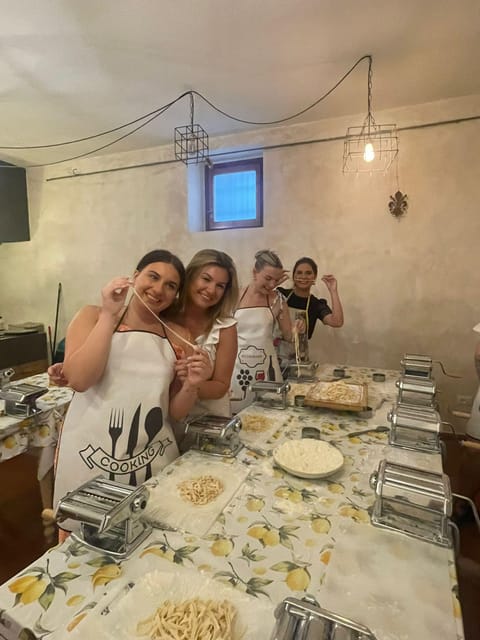
This is the core skill of the class, and it is taught in a practical way. You learn how to prepare the dough for fresh pasta, including which types of flour to use and what to look for as you mix and shape.
They also explain the difference between pasta fresca and pasta secca. That matters because these are not just fancy names. Fresh pasta and dried pasta behave differently when cooked, and knowing that helps you stop treating all pasta like the same ingredient.
Here is the helpful part for you: you are guided step by step, so you understand the logic behind the technique. Instead of memorizing a recipe, you learn how the dough should come together. You also get the confidence that comes from actually producing something you can cook.
And yes, you will sample what you make. The goal is not only to bring home knowledge, it is to eat well while you are learning.
How the Sauces and Finishing Step Actually Feel in a Shared Kitchen
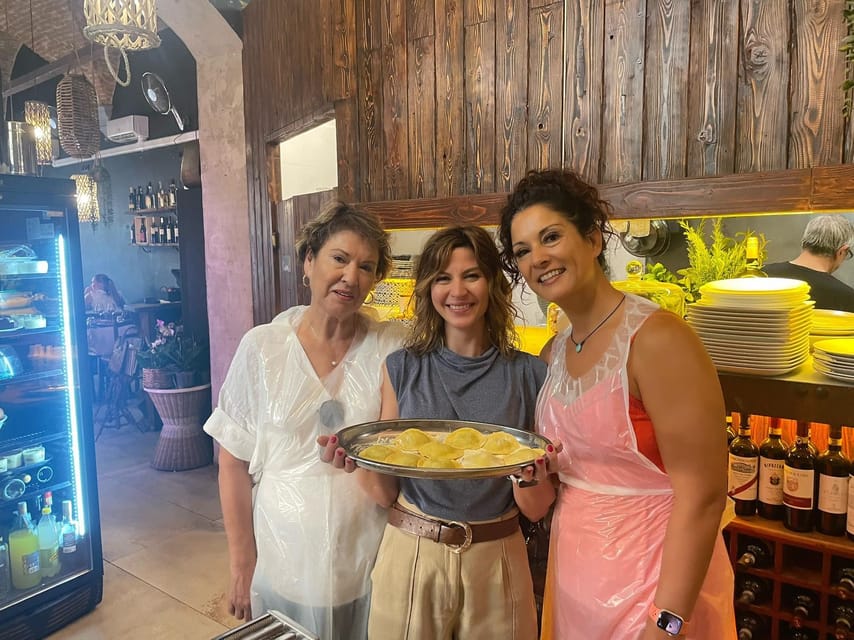
You will do the hands-on pasta part at your station, but the kitchen still handles the finishing and sauce side of things. That is a good setup. It keeps the process realistic for a 3-hour experience, and it prevents a long delay waiting for everyone to finish.
One thing you can take from the way people describe the experience is that the sauces are a highlight. You get to experience how sauces change the whole meal, not just the pasta shape.
If you are a confident cook, you might still find value here. Even experienced home cooks often learn one or two details about timing, texture, or how a sauce should cling. If you are not confident in the kitchen, this is the safer way to learn, because the restaurant team is there to keep things on track.
Tiramisu Lessons That Teach You What Makes It Taste Right
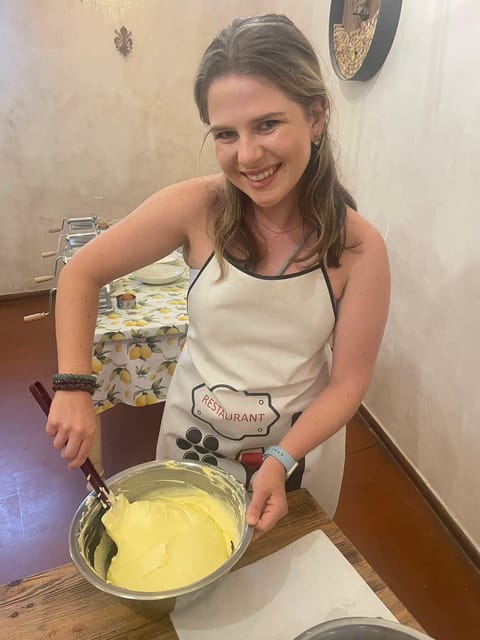
Tiramisu is not just a dessert recipe. It is an assembly method. In this class, you learn the secrets of the most loved Italian dessert, with guidance that helps you build it correctly rather than guess.
You are taught how to prepare tiramisu in the class format, then you sit down with everyone later to eat the meal that follows. The dessert part is often the emotional payoff. Pasta is fun and hands-on, but tiramisu is where you get that wow factor taste you can recognize instantly.
If you have ever tried making tiramisu at home and ended up with something too runny or too firm, this is the kind of class that can give you the missing understanding. You do not just get ingredients, you get the method behind the texture.
Prosecco and Fine Wine With Your Meal, in a Real Pairing Flow
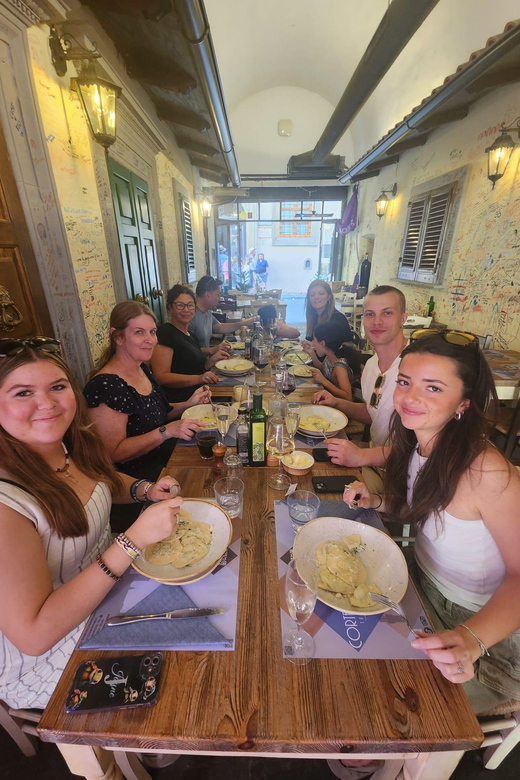
You get wine during the meal, and it is served with the lunch or dinner portion at the end of the class. The structure is straightforward: you work first, then you eat together while sipping wine that pairs with what you made.
Wine during a cooking class sounds like a gimmick until you experience how it changes the atmosphere. It makes the meal feel like a proper Italian break instead of a final snack. It also turns the class into a social event where everyone relaxes at the same time.
If you prefer to pace yourself, you can. It is not a party bus vibe, it is a meal vibe. You are still focused on food, just with a little extra warmth.
Filed beside this one, more wine tours in Milan.




Dietary Rules: What You Can Request, and What You Should Know Upfront
This is where you need to pay close attention, because Italian cooking in a classroom often includes the traditional building blocks.
The class says substitutions are offered for people with allergies or food preferences, but the instructions always focus on the traditional recipe, which contains gluten, dairy, and eggs. They also note they cannot guarantee 100 percent free of cross contamination. So if you have a serious allergy, treat this as a careful decision, not a casual one.
The data also lists what the class is not suitable for:
- People with gluten intolerance
- People with lactose intolerance
- Vegans
Vegetarian options are available upon request, and that is likely your best bet if you want the class but need a simpler accommodation.
My practical advice: when you book, be very specific about what you cannot eat. If your needs are allergy-level risk, ask directly how they handle ingredients and cross-contact. That is the safest way to avoid a bad surprise.
Price and Value: Is $61 Worth It in Milan?
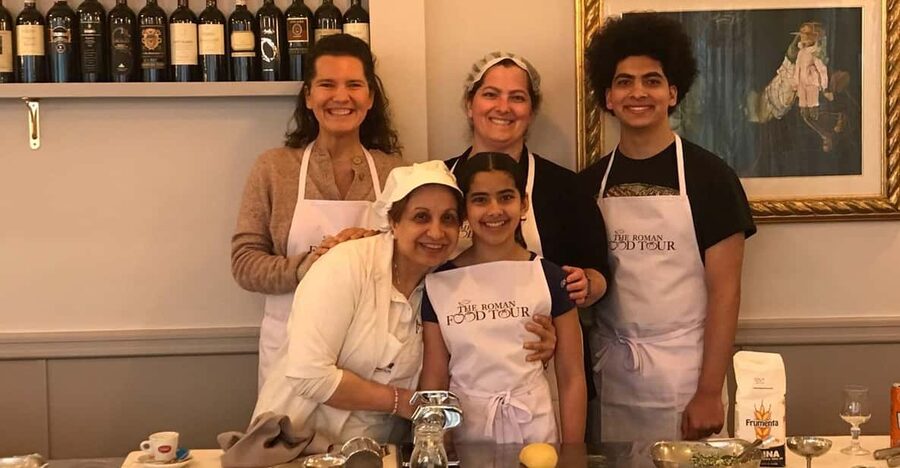
At $61 per person for a 3-hour experience, this is priced like a serious food activity, not like a quick tasting. The value comes from what is included:
- Chef-led instruction
- Fresh pasta that you learn to make
- Tiramisu that you learn to prepare
- Fine wine with your meal
You also end up with a full meal situation, since the class concludes with you sitting down to eat what you prepare. That means you are not paying extra for food later as you might with some walking tours.
So for you, the real question is whether you want to spend your Milan time hands-on in a kitchen. If you do, then $61 starts to look fair fast. If you mainly want to watch and sample small bites, you might prefer a lighter tasting experience instead.
Group Size and the Social Side: Fun, With One Trade-Off
Cooking classes are naturally social. In this one, you can expect a group atmosphere, and one description put the class at around 15 to 20 people. That is not huge, but it is also not one-on-one teaching.
The trade-off is question time. If you have a lot of questions, you may not get a deep, personalized explanation every moment. On the other hand, hosts can still guide effectively in a classroom style, and they keep things welcoming.
If you like meeting people, sharing a table, and comparing what you think the dough should feel like, this size is a sweet spot. You get energy without losing the chance to actually cook.
Who Should Book This Cooking Class (and Who Might Skip It)
This class is a great fit if:
- You want a hands-on Milanese food experience, not just photos of food
- You like learning recipes you will use again at home
- You want a shared meal at the end, with wine
- You enjoy guided instruction in English
It might be a miss if:
- You need gluten-free, dairy-free, or egg-free cooking with no cross-contact risk
- You are looking for vegan-friendly instructions, since the class is listed as not suitable for vegans
- You want a quiet, low-energy activity
Families can also find it appealing, but note the age rule: it is not suitable for children under 3 years. If you are traveling with older kids, the workstation format can help keep everyone engaged.
Final Verdict: Should You Book This Milan Pasta and Tiramisu Class?
I would book it if you want an experience that feels like part of Milan life. The combination of fresh pasta lessons, tiramisu technique, and wine during a meal is a very practical way to spend 3 hours in the city. You leave with skills, not just memories.
I would think twice before booking if your diet has strict restrictions tied to gluten, dairy, eggs, or lactose intolerance. The class focuses on the traditional recipe and cannot guarantee zero cross contamination.
If you fit the general audience and you like hands-on cooking, this is one of those trips that turns into a dinner party at home later. You will have a story, and you will have the method.
FAQ
How long is the Milan pasta and tiramisu cooking class?
It lasts 3 hours. You can check availability for starting times when you book.
What is included in the price?
The class includes a chef, fresh pasta, tiramisu, and fine wine. You also sample the dishes you prepare.
What language is the instruction in?
The instructor teaches in English.
Where do we meet for the class?
The meeting point may vary depending on the option booked, so you should confirm the exact location when you reserve.
Are there dietary options?
Vegetarian options are available upon request. The activity notes substitutes may be offered for allergies or food preferences, but the traditional recipe still contains gluten, dairy, and eggs, and cross contamination cannot be fully prevented. The class is not suitable for vegans, people with gluten intolerance, or people with lactose intolerance.
What are your booking and cancellation options?
You can reserve now and pay later, and free cancellation is available up to 24 hours in advance for a full refund.
Other Wine Tours in Milan From Our Notebook


Further Tiramisu and Gelato Classes We Cover in Milan
Not quite the day you had in mind? The rest of our Milan write-ups sit below
- Milan: Duomo and The Last Supper Skip-the-Line Guided Tour
- From Milan: Exclusive Boat, Lake Como, Bellagio, and Lugano Tour★ 4.5 · 168 reviews
- Pinacoteca Ambrosiana and da Vinci’s Codex Atlanticus admission in Milan★ 4.5 · 169 reviews
- Pizza Cooking Class with Tiramisù and Wine Tasting in Milan★ 5.0 · 172 reviews
- Milan: Exclusive Access with Last Supper visit & Guided Tour★ 4.5 · 173 reviews
- Milan: Private Professional Photoshoot at the Duomo★ 4.7 · 174 reviews
- Step Into History: Leonardo Vinci’s Last Supper Tour★ 4.5 · 175 reviews
- Small-Group Lake Como Experience with boat and van, from Milan★ 5.0 · 179 reviews
- Milan: Street Food Walking Tour★ 4.7 · 180 reviews
Tiramisù & Gelato Classes, top to bottom.
 ★ 5.03 in 1 Cooking Class near Navona: Fettuccine, Ravioli & TiramisuFrom $837,376 reviews
 ★ 5.0Florence Pizza or Pasta Class with Gelato Making at a Tuscan FarmFrom $1456,801 reviews
 ★ 4.9Florence: Pasta & Tiramisu Cooking Class with Unlimited WineFrom $566,708 reviews
 ★ 4.9Rome: Pasta & Tiramisu Class with Fine Wine by the VaticanFrom $414,852 reviews
 ★ 4.9Rome: Pasta Making Class with Wine, Limoncello, and DessertFrom $483,177 reviews
 ★ 4.9Rome: 3-in-1 Fettuccine, Ravioli, and Tiramisu Cooking ClassFrom $812,704 reviews
 ★ 5.0Sorrento Farm and Food Experience including Olive Oil, Limoncello, Wine tastingFrom $1142,524 reviews
 ★ 5.0Learn to Make Pasta & Tiramisu with Wine and Limoncello IncludedFrom $542,345 reviews