
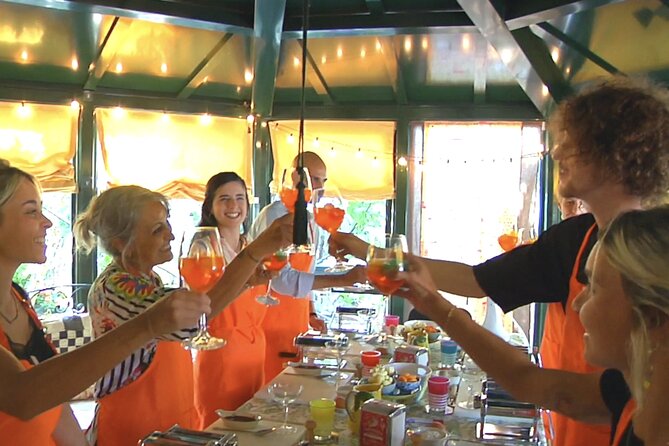
Reviewed · TIRAMISù & GELATO CLASSES
The Secrets to Learn Fresh Pasta and Tiramisù in a Glam Home
Fresh pasta in a real Milan home kitchen. I love the hands-on dough technique and the family-recipe tiramisù teaching in an elegant palace setting. The one thing to plan for, it is a private residential setup, so you have to follow the arrival instructions and be ready to wait a minute for the host.
You’ll start at Via Giuseppe Dezza 47, in central Milan, and you’ll find it easy to reach, the blue line subway stop is about 20 meters away at Coni Zugna – Via Foppa. The lesson is held in English, and the team can also speak other languages on request. With a maximum group size of 21, it feels social, but still controlled enough for real guidance while you’re rolling pasta and building ravioli.
In This Review
- Key Highlights You Actually Care About
- Milan Palace Kitchen: Where the Class Feels Like a Private Invite
- The 3-Hour Flow: How the Timing Works From Dough to Dinner
- Tagliatelle With Traditional Tomato Sauce and Parmigiano Reggiano
- Ravioli With a 1-Star Michelin Filling (and What You Learn Handling)
- Tiramisù Secrets: The Classic Method You Can Repeat at Home
- Limoncello From Garden Lemons, Plus Wine at the End
- Teachers, Languages, and Getting Real Feedback While You Cook
- Price and Value: Why This Costs What It Costs
- Who Should Book, and Who Might Want a Different Milan Plan
- Should You Book This Fresh Pasta and Tiramisù Class in Milan?
- FAQ
- How long is the cooking class?
- Where does the class meet in Milan?
- What dishes will I make?
- Is the class taught in English?
- Is there limoncello or wine included?
- How close is it to public transportation?
- What is the cancellation policy?
Key Highlights You Actually Care About
- Fresh pasta and tiramisù, made from scratch (tagliatelle, ravioli, and classic tiramisù)
- Family recipes in an elegant palace home with art and antique furniture
- Michelin-level touch in the ravioli filling plus Parmigiano Reggiano on top
- Garden lemons become limoncello, then you taste it with your meal
- A small-group class max 21 so you get hands-on coaching, not a lecture
- Wine and a communal end to the class, with the wine served during the tasting moment at the end
Milan Palace Kitchen: Where the Class Feels Like a Private Invite
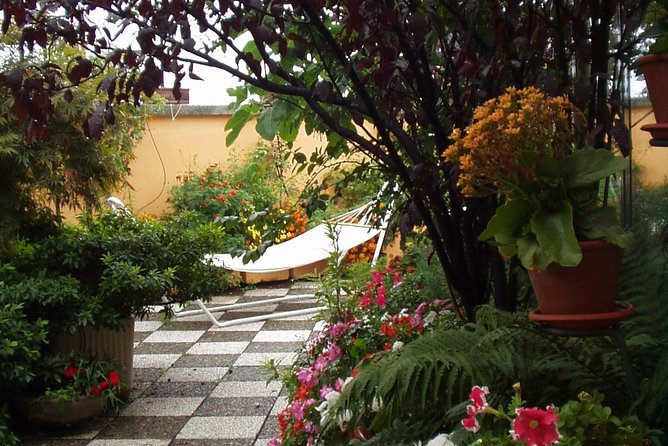
This cooking class happens inside a residential building, in a dedicated home kitchen space. You’re not doing this in a cookie-cutter studio. The setting is described as a glamorous home inside an elegant palace area of central Milan, with art paintings and antique furniture, and it comes from a family Palladian palace tradition.
For you, that matters because the day feels different from a typical “cook in a classroom” experience. You’re learning in the context of how Italian families actually cook, in a place that looks and feels like it belongs to real people with real recipes. You also get that extra sense of occasion, the kind that makes you pay attention to details like dough thickness and how the tiramisù layers should look before chilling.
Location is practical too. The meeting point is listed at V. Giuseppe Dezza 47, and the class ends back there. Getting there is easy if you use public transit, the blue line stop at Coni Zugna – Via Foppa is about 20 meters away. You’ll spend less time figuring out directions and more time getting your hands ready.
One more note that can help your expectations: the instructor arrival is personal. You’re welcomed at the entrance, so if you show up late or wander around without checking in, you can lose time. Plan a little buffer and you’ll feel calmer from the first minute.
A short passeggiata through our other tiramisu and gelato classes in Milan.
- The Secrets to Learn Fresh Pasta and Tiramisù in a Glam Home
★ 5.0 · 1,182 reviews - Milan: Pasta and Tiramisu Cooking Class with Wine
★ 4.8 · 1,106 reviews - Gnocchi, Pasta, Tiramisù and Wine Class
★ 5.0 · 691 reviews - Milan: Pasta and Tiramisu Small Group Cooking Class with Wine
★ 5.0 · 660 reviews
The 3-Hour Flow: How the Timing Works From Dough to Dinner
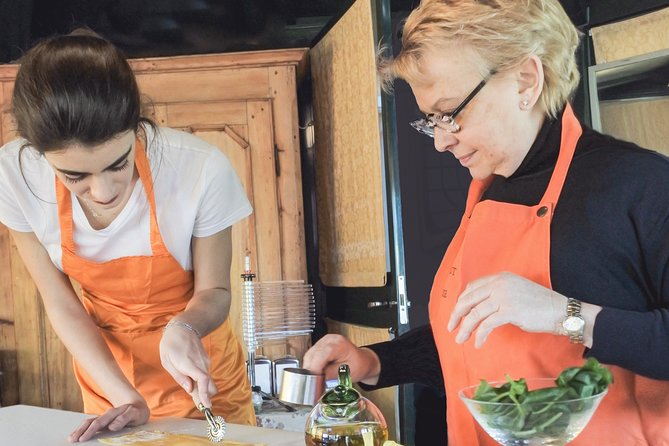
The class runs about 3 hours. It’s designed so you move through the whole process, not just one dish. Even if you’re a beginner, the format aims to make you productive and confident by the time you’re plating.
Here’s how the experience typically unfolds in real terms:
- Welcome and setup in the home kitchen
You get instruction, then you start working. This is a hands-on class, meaning you’re rolling pasta and assembling your own portions.
- Fresh pasta instruction, then active making
The menu includes fresh tagliatelle, plus ravioli. You learn the core technique for dough handling, shaping, and managing consistency, so your pasta doesn’t end up too thick, too thin, or uneven.
- Sauce and finishing moves while you cook
Tagliatelle here is paired with a traditional tomato sauce, and you finish with Parmigiano Reggiano.
- Ravioli filling and assembly
You get to work with a special ravioli filling described as coming from a 1-star Michelin chef, then you top with Parmigiano Reggiano.
- Tiramisu dessert steps
The class covers the unique and classic tiramisù method, including how to build it so it tastes right and holds the right texture.
- The end of class tasting, then communal eating
Wine and limoncello show up during the tasting moment at the end. Then you share what you made as a group.
If you’re the kind of person who wants to keep watching after you’re done, this class gives you a reason to slow down. You learn by doing, and you also eat your results, which makes the whole 3 hours feel like one complete loop instead of disconnected steps.
Also, you can choose lunch or dinner options, and additional timings may be available on request. So if your Milan schedule is tight, you can pick the meal slot that fits your day.
Tagliatelle With Traditional Tomato Sauce and Parmigiano Reggiano
Tagliatelle is the anchor of this class. You’re not just learning how to cook pasta, you’re learning the texture and handling that makes fresh pasta taste like fresh pasta.
You’ll make fresh tagliatelle with tomato sauce using a traditional approach, then finish with grated Parmigiano Reggiano. That combo sounds simple, but the technique is where it earns its reputation. In a class like this, you’re coached on practical issues like dough consistency and how to roll so your ribbons cook evenly.
What I like about this part, for your learning curve, is that it’s both foundational and forgiving. If you nail dough thickness and keep the shaping steady, even a basic tomato sauce tastes like it was made in someone’s real kitchen, not on a timed schedule.
You also get to experience how Italian cooking treats Parmigiano Reggiano as an ingredient with a job, not decoration. Using freshly grated cheese changes the aroma and how it melts into the sauce. Expect that finish to be one of the most satisfying moments of the lesson.
If you’re worried you’ll feel rushed, don’t. The whole point of a small group max 21 is that the instructor can keep an eye on what’s happening at your station. Many people finish with pasta they can recognize as theirs, not something they assembled from a distance.
Ravioli With a 1-Star Michelin Filling (and What You Learn Handling)
The ravioli portion is where the class gets extra fun. You’ll make ravioli and you’ll use a special filling described as from a 1-star Michelin chef. On top, you’ll add more Parmigiano Reggiano.
Ravioli is a perfect “learning by doing” dish because it forces you to master three practical skills at once:
- Portion control, so filling amounts stay balanced
- Sealing and shaping, so the ravioli holds during cooking
- Consistency, so each one looks and cooks similarly
The communal format also adds a social element. You’re working on a recipe that’s old-school in technique, but with a Michelin-level twist in the filling inspiration. That mix is a big part of why this class holds attention, it’s not only traditional, it also has a modern culinary reference point.
The one consideration here is hands-on prep and assembly. This isn’t a “watch and sample” experience. You will be physically involved. That’s the point, but it does mean your hands will get into dough and assembly steps, and you should be comfortable with that style of cooking.
If you love tactile learning, you’ll enjoy ravioli day. If you prefer a lighter touch, you might find the hands-on focus more demanding than you expected.
Tiramisù Secrets: The Classic Method You Can Repeat at Home
Tiramisu is the finish that makes a Milan cooking class feel complete. Here, the emphasis is on the unique and classic method, not a trendy shortcut.
You’ll learn to make the traditional tiramisù recipe, and the promise is simple: creamy, classic, and the one that made the family famous all over the world. In practice, you’re being taught how to build the layers so they taste balanced, not soggy or overly dry. You’ll also get a sense of timing, because tiramisù is one of those desserts where the order of operations matters.
The biggest win for you is technique you can repeat. Many people go home with pasta recipes. Fewer people leave with tiramisù confidence. This class tries to change that by teaching the method behind the texture.
Another small detail that helps your results, Parmigiano is for pasta here, but the tiramisù finishing relies on texture and assembly, which is exactly where a good instructor makes a difference. The class format also keeps it social. You’re learning steps in a guided way, then you get to enjoy the dessert as part of the communal meal.
If your sweet tooth worries you can’t handle “just dessert,” this class is not stingy. The end meal includes what you made, plus drinks, so plan your appetite.
Limoncello From Garden Lemons, Plus Wine at the End
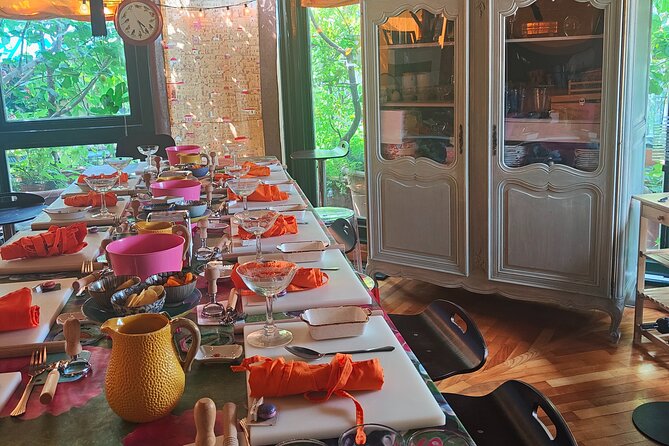
One of the standout perks is homemade limoncello made from fresh lemons grown in the garden. That’s the kind of detail that makes the experience feel specific to this home kitchen, not generic hospitality.
Wine shows up as part of the shared tasting and dinner at the end. Importantly, wine is served during the tasting moment at the end, when you eat the dishes you prepared. If you were hoping for a drink from minute one, plan for it later in the class.
The end is communal. You’re not just handed a plate and sent on your way. You share what you made and sit with the group. That matters for two reasons. First, it reinforces what you made, so the techniques click faster in your brain. Second, it turns the class into a real evening memory, not only a set of recipes.
From a practical angle, if you’re sensitive to alcohol, you can manage your pace since the wine is tied to the tasting period. And because limoncello is served as a shot alongside the end-of-class food, it’s something to take slowly, even if you enjoy spirits.
The same shortlist carries more pasta classes in Milan.




Teachers, Languages, and Getting Real Feedback While You Cook
The class is taught by a Michelin trained chef, and in this kitchen, the teaching is also tied to family tradition. The material talks about Grandma Bruna, and notes that if Grandma Bruna is too tired, she is replaced by her daughter or grandchildren. That’s part of the charm, but it also means the exact teaching style can vary.
Here’s what you can count on. You get an English-led lesson. The experience also says that several other languages may be available upon request, including French, German, Spanish, Ukrainian, Russian, Hebrew, and Persian. That’s a helpful detail if your English is solid but you’d still appreciate a fallback.
Also, the teacher name is typically sent by email 12 hours in advance. You’ll see the instructor’s name before you arrive, but the kitchen notes that they cannot assure Grandma Bruna specifically with that 12-hour message.
In terms of who you might get, instructors mentioned include Marco, Laura, Katerina, Paolo, Federico, Luca, Fred, Lucas, and Francesco. You can see the common pattern in the names, the class is run by people who genuinely teach, not just people who hand out instructions.
What you’ll feel during the class is the instructor’s attention. Many people highlight that the steps are explained clearly and that the vibe stays light, even with a room full of strangers. With a max of 21 people, there’s enough energy for fun and enough structure for real feedback on your dough and assembly.
Price and Value: Why This Costs What It Costs
At $90.70 per person for about 3 hours, this is not a budget activity. But it’s also not just an expensive dinner. You’re paying for a few concrete things that add up.
First, you make multiple dishes from scratch. You’re learning to produce fresh pasta and to build ravioli, then you make a full dessert. That’s real labor, real ingredient use, and real instruction.
Second, the class includes tasting and end-of-class drinks, including wine and homemade limoncello. The experience is structured so you eat what you made as a group meal, which makes the price feel more grounded than a class where you only sample a bite.
Third, you learn technique you can repeat. Fresh pasta is not only about taste, it’s about feel and consistency. When an instructor guides your hands through the process, the value is in getting the method right once, then recreating it later at home.
Fourth, the setting adds value in a way you can feel. A glam home kitchen in a central Milan palace area makes the experience memorable and helps it feel authentic, not like a factory.
If you come expecting a casual snack class, you might feel the price. If you come wanting a real cooking skill plus a full end meal, the cost starts to feel fair.
Who Should Book, and Who Might Want a Different Milan Plan
You should book this class if you want a hands-on evening that gives you both food and technique. It’s ideal for couples, small groups, and families with kids or teens, especially if someone in your party likes cooking or wants to try something more interactive than sightseeing.
You’ll also like it if you care about authentic Italian home style, because the recipes are described as family recipes passed down through generations. You’ll feel the tradition in the way the class is taught, not only in the ingredients.
Skip or consider another option if you want a hands-off food experience. This is a working kitchen class. You’ll be touching dough and assembling ravioli. If that sounds stressful, you might prefer a cooking demo format instead.
Also, keep your expectations realistic about the end meal. With wine and limoncello included and the dishes you prepared being shared, the class can leave you feeling full. That regret shows up for people who underestimate portion size on homemade food.
Should You Book This Fresh Pasta and Tiramisù Class in Milan?
If you want one memorable food activity in Milan that teaches you something you can actually cook again, I think this class is a strong choice. The combination is hard to beat: fresh tagliatelle, ravioli with a Michelin-referenced filling, and classic tiramisù, all taught in an elegant home setting with limoncello from garden lemons.
Book it if you like doing, not just watching, and if you’re excited by the idea of learning grandma-style technique without guessing. I’d also book it early since it tends to get scheduled well ahead.
If you’re sensitive to hands-on cooking, or you prefer a lighter, observational experience, then it may feel too active for your taste. For everyone else, it’s exactly the kind of Milan evening that turns into a recipe you keep.
FAQ
How long is the cooking class?
It runs for about 3 hours.
Where does the class meet in Milan?
The meeting point is Via Giuseppe Dezza 47, 20144 Milano MI, Italy, and the class ends back at the meeting point.
What dishes will I make?
You’ll make fresh tagliatelle with tomato sauce, ravioli with a special filling, and a traditional tiramisù.
Is the class taught in English?
Yes. The lesson is held in English, and other languages may be available upon request.
Is there limoncello or wine included?
You’ll have homemade limoncello made from fresh lemons in the garden, and wine is served during the tasting moment at the end of the class.
How close is it to public transportation?
It is very easy to reach, with the subway blue line about 20 meters from the Coni Zugna – Via Foppa stop.
What is the cancellation policy?
You can cancel for a full refund up to 24 hours in advance. If you cancel less than 24 hours before the start time, the amount you paid is not refunded.
Pasta Classes in Milan Worth Weighing Up

Further Tiramisu and Gelato Classes We Cover in Milan
Not quite the day you had in mind? The rest of our Milan write-ups sit below
- Milan: Duomo and The Last Supper Skip-the-Line Guided Tour
- From Milan: Exclusive Boat, Lake Como, Bellagio, and Lugano Tour★ 4.5 · 168 reviews
- Pinacoteca Ambrosiana and da Vinci’s Codex Atlanticus admission in Milan★ 4.5 · 169 reviews
- Pizza Cooking Class with Tiramisù and Wine Tasting in Milan★ 5.0 · 172 reviews
- Milan: Exclusive Access with Last Supper visit & Guided Tour★ 4.5 · 173 reviews
- Milan: Private Professional Photoshoot at the Duomo★ 4.7 · 174 reviews
- Step Into History: Leonardo Vinci’s Last Supper Tour★ 4.5 · 175 reviews
- Small-Group Lake Como Experience with boat and van, from Milan★ 5.0 · 179 reviews
- Milan: Street Food Walking Tour★ 4.7 · 180 reviews
Tiramisù & Gelato Classes, top to bottom.
 ★ 5.03 in 1 Cooking Class near Navona: Fettuccine, Ravioli & TiramisuFrom $837,376 reviews
 ★ 5.0Florence Pizza or Pasta Class with Gelato Making at a Tuscan FarmFrom $1456,801 reviews
 ★ 4.9Florence: Pasta & Tiramisu Cooking Class with Unlimited WineFrom $566,708 reviews
 ★ 4.9Rome: Pasta & Tiramisu Class with Fine Wine by the VaticanFrom $414,852 reviews
 ★ 4.9Rome: Pasta Making Class with Wine, Limoncello, and DessertFrom $483,177 reviews
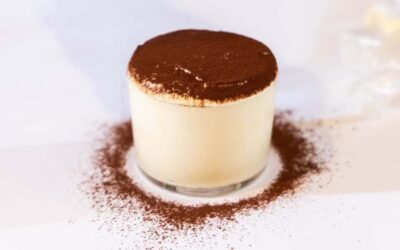 ★ 4.9Rome: 3-in-1 Fettuccine, Ravioli, and Tiramisu Cooking ClassFrom $812,704 reviews
 ★ 5.0Sorrento Farm and Food Experience including Olive Oil, Limoncello, Wine tastingFrom $1142,524 reviews
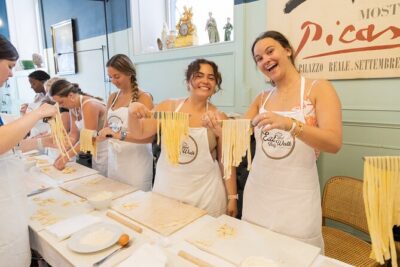 ★ 5.0Learn to Make Pasta & Tiramisu with Wine and Limoncello IncludedFrom $542,345 reviews
Filed under