
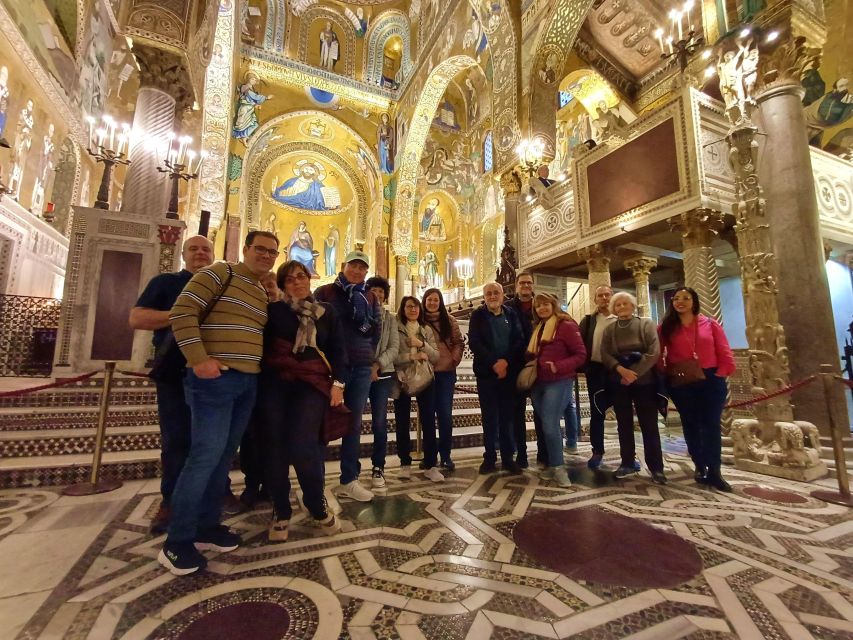
Reviewed · TOURS
Tour Cappella Palatina e palazzo Reale: patrimonio Unesco
One ticket, big drama: Palermo’s golden mosaics. You’ll pair the Palazzo dei Normanni with the Palatine Chapel, famous for walls of shimmering gold, plus a guided story that connects centuries of Sicilian power in a way you can actually follow. The value here is that a professional guide ties the visuals to the timeline, so you do not just look, you understand what you are seeing.
The main thing to plan for is the entrance ticket. The guided service covers the tour with an Italian guide, but the Palace and Palatine Chapel entry tickets are not included, so you will need to buy them separately.
In This Review
- Key highlights you should know before you go
- The Royal Palace and Palatine Chapel: Palermo’s UNESCO core
- Where to meet and how to start smoothly
- Palazzo dei Normanni in plain terms: what 2,700 years means
- Frederick II and the Sicilian Poetic School
- Later chapters, including the Inquisition and viceroys
- Entering the Palatine Chapel: mosaics, muqarnas, and floorwork
- Byzantine mosaics on the walls
- The Islamic muqarnas ceiling
- Romanesque tradition in the marble inlays
- The royal rooms beyond the chapel: what to look for
- Price and ticket reality: what $14 really buys you
- What you get for the $14
- What costs extra
- Why this still feels good value
- Italian-only guiding: how to make it work
- Dress code and comfort: quick rules that affect the day
- A note on wheelchair information
- Who should book this UNESCO day tour
- Should you book it?
- FAQ
- Are the entrance tickets included in the tour price?
- What language is the tour guide?
- Where do I meet the guide?
- What should I wear?
- How long is the tour?
- Is the tour wheelchair accessible?
- What does the tour cost?
- What is the cancellation policy?
Key highlights you should know before you go
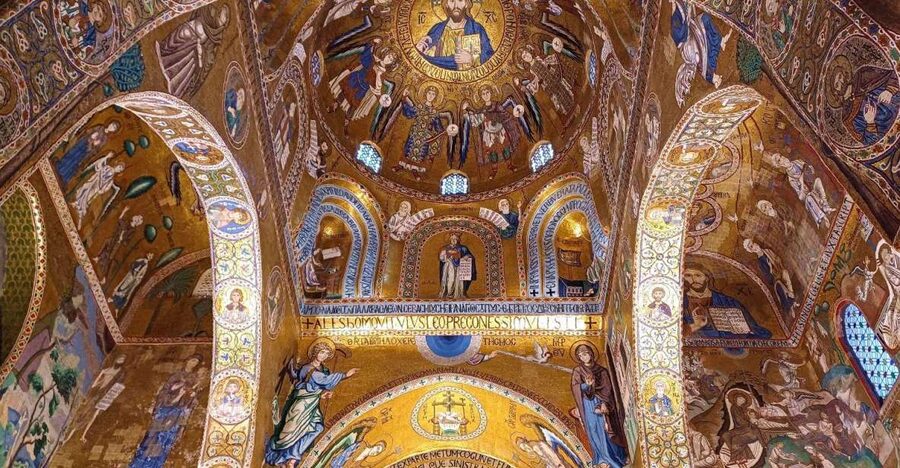
- UNESCO Palatine Chapel, a medieval jewel covered in gold mosaics, plus Byzantine, Islamic, and Romanesque elements in the same space
- Royal Palace of Palermo, seat of Sicilian kings for centuries, often described as the oldest royal residence in Europe
- Frederick II in the spotlight, including the Palace’s link to the Sicilian Poetic School
- Chinese style queen chamber, a surprising room type that breaks the usual royal palace vibe
- Italian-only guiding, with strong guide feedback like Fabrizio and Claudio being engaging and well prepared
- Rules matter, especially dress code (no shorts, no short skirts, no sleeveless shirts)
The Royal Palace and Palatine Chapel: Palermo’s UNESCO core
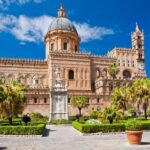
If you care about why Sicily is so different from the rest of Italy, this is one of the best places to start. The Royal Palace of Palermo, also known as Palazzo dei Normanni, is not just a pretty stop. It is a long-running stage where Norman kings, imperial Frederick II, and later rulers all left their mark.
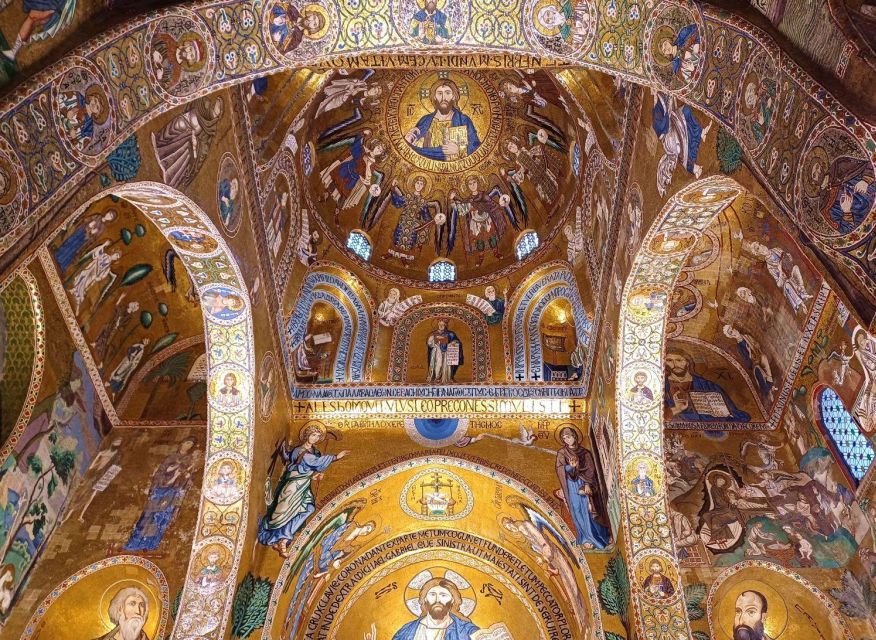
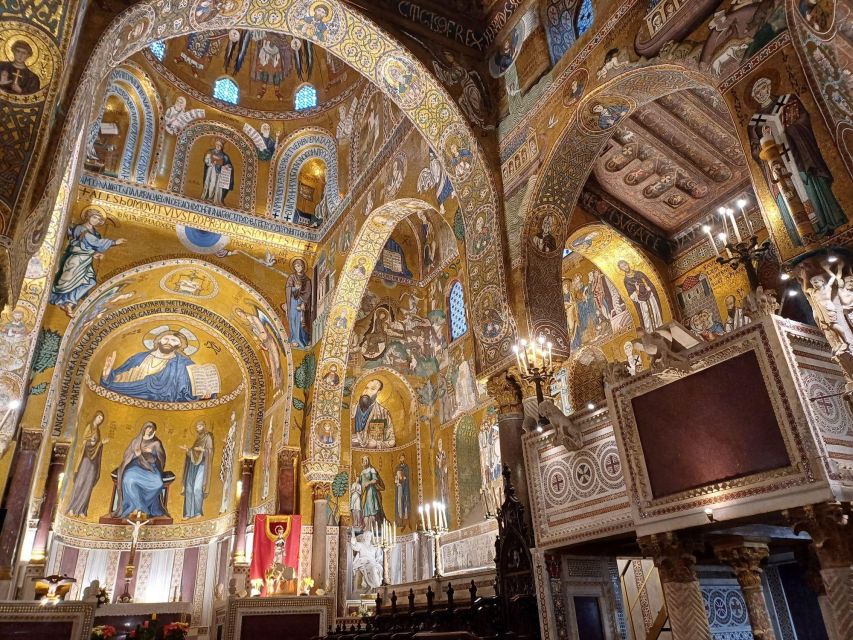
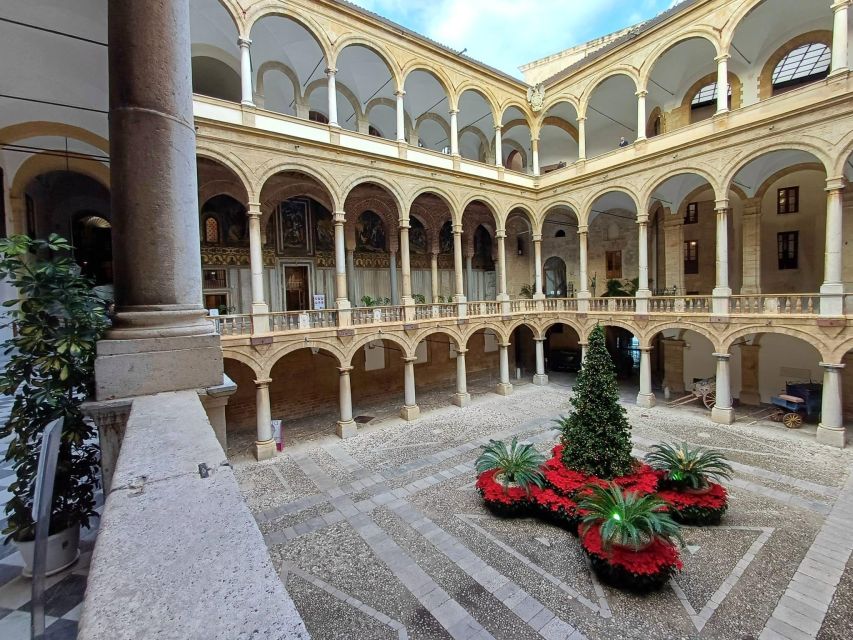
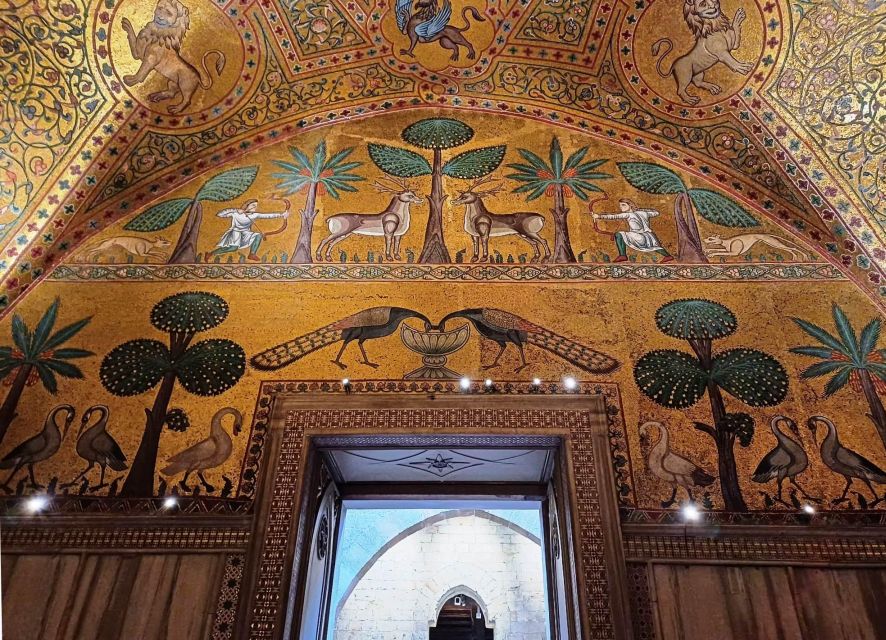
Then comes the Palatine Chapel, and it earns its reputation fast. You are walking into a chapel built in 1140 by Roger of Hauteville, and the effect is immediate: gold mosaics that cover the surfaces like light made solid. It is the kind of place where your brain wants to slow down and your camera wants to move too quickly. A good Italian guide helps you focus on what matters visually, like how the mosaics, ceilings, and floorwork fit together as one coherent design.
Still weighing it up? We have written up plenty of other tours and tickets across Palermo.
- Palermo: NO Mafia Walking Tour
★ 4.8 · 2,431 reviews - Palermo: Hop-on Hop-off Bus Tour 24-hour Ticket
★ 3.9 · 2,410 reviews - Palermo Original Street Food Walking Tour by Streaty
★ 5.0 · 2,105 reviews - Segesta, Erice and Salt Pans Full-Day Excursion from Palermo
★ 4.2 · 1,791 reviews
Where to meet and how to start smoothly
Your meeting point is right by the action, but in an easy-to-miss spot: in front of the ticket office, at a small kiosk about 100 meters from the Palace entrance. Get there a few minutes early so you can spot the correct kiosk and get oriented before the group moves.
Two practical notes that save hassle:
- The tour is in Italian only, so if you speak limited Italian, plan to lean on context, visuals, and a translation app.
- The guided tour does not include Palace entry, so you should expect to handle tickets before or at the point of entry.
Palazzo dei Normanni in plain terms: what 2,700 years means
The Royal Palace is often described as having over 2,700 years of history, and that is not marketing fluff. The site goes through major phases, from fortified castle roots to large renovations tied to Palermo’s rise. The Norman kings made it their main residence, turning it into more than a home. It became the seat of court life, the treasury, and important royal production.
Here is what I love about experiencing a palace like this with a guide: you get a map for the layers. Instead of treating each room as random decoration, you learn what each era was trying to project. The palace becomes a political statement written in architecture.
Frederick II and the Sicilian Poetic School
One of the big moments in the Palace story is Frederick II, king and emperor. In this setting, he is not a textbook name. The Palace hosted the Sicilian Poetic School, connecting imperial rule to a serious cultural push. Even if poetry is not your main interest, it helps you see why rulers cared about court spaces. They were not just guarding power. They were manufacturing prestige.
Later chapters, including the Inquisition and viceroys
The Palace story keeps changing hands. You will hear that it was, for a short period, also the Court of the Inquisition. After that, it served as the seat of the Viceroy and the Sicilian Parliament. That sequence matters because it shows Palermo as a crossroads where power shifted but the same walls kept doing the job.
Entering the Palatine Chapel: mosaics, muqarnas, and floorwork
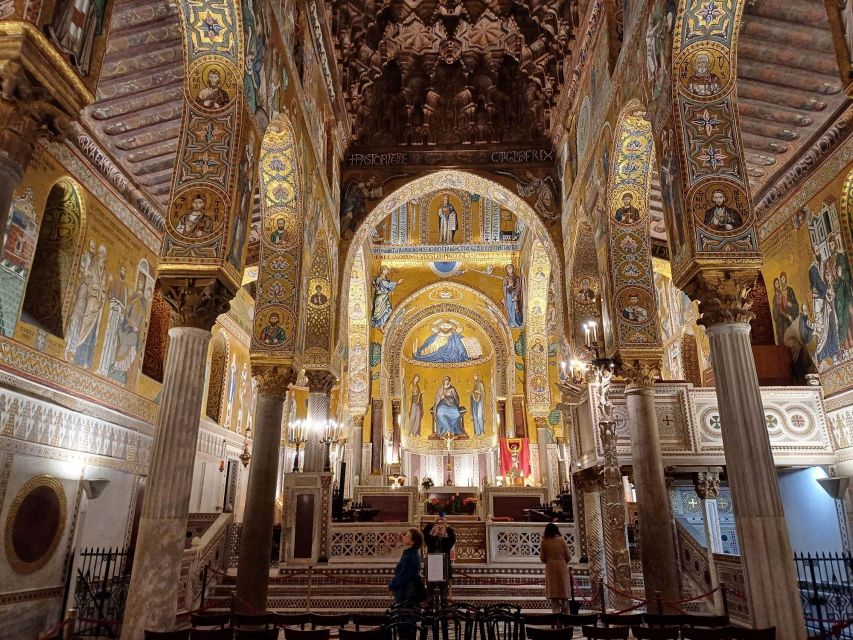
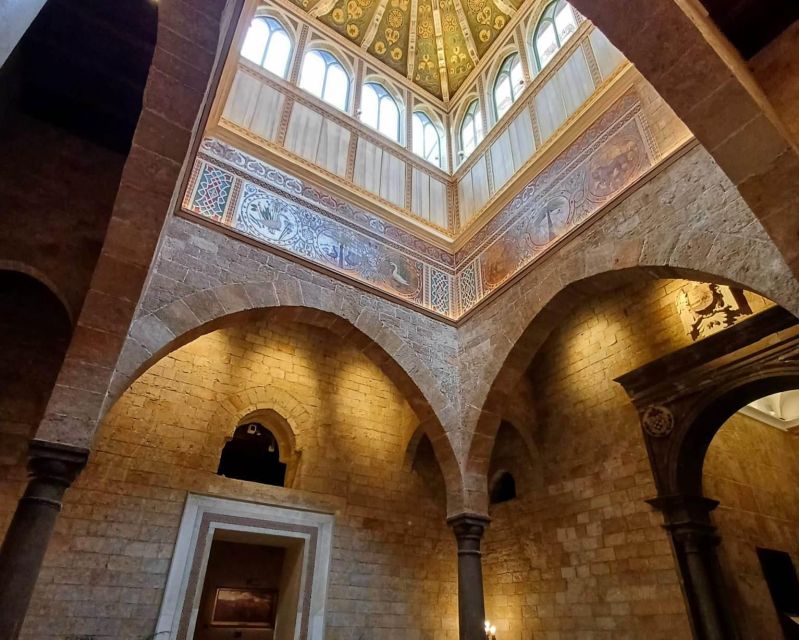
The Palatine Chapel is the reason most people come, and it is the part where your eyes do most of the work. Built in 1140 by Roger of Hauteville, it is often described in dramatic terms, including the idea that it is the most beautiful church in the world, which you will hear during the tour in Italian.


Byzantine mosaics on the walls
First, focus on the mosaics. The chapel is known for Byzantine mosaics that cover the walls. This is not simply decoration. Mosaics here function like a visual language, designed to carry meaning, authority, and religious messaging in a style that Sicily inherited through its complicated history.
The Islamic muqarnas ceiling
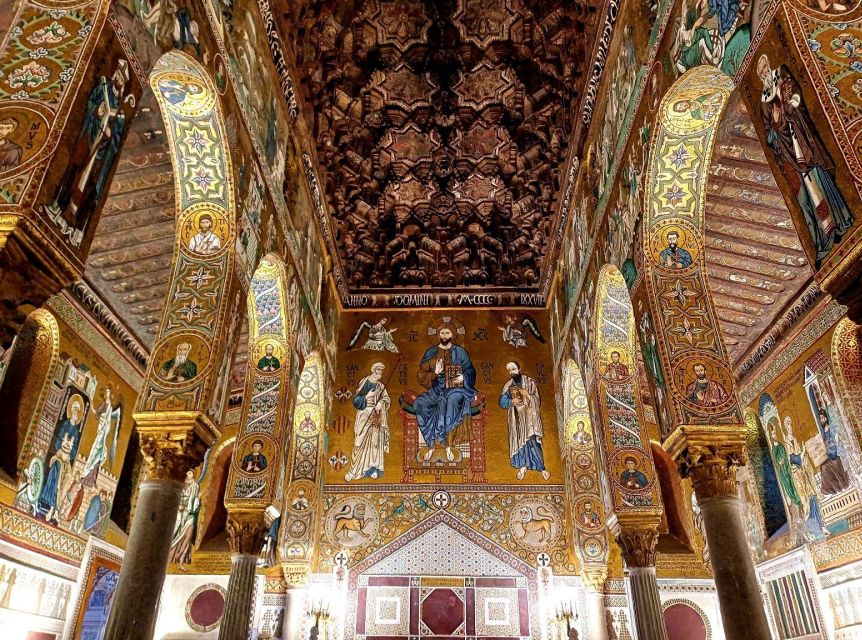
Then look up. The chapel includes an Islamic muqarnas ceiling. That word might sound technical, but you do not need to memorize anything. You just need to notice the ceiling’s sculpted, honeycomb-like transitions. It is a clear example of how different cultural design traditions were brought together in one royal religious space.
Romanesque tradition in the marble inlays
Finally, the floorwork. The marble floor has inlays tied to the Romanesque tradition. The effect is subtle compared with the walls and ceiling, but it completes the room. A guide helps you spot how these design choices align into one overall impression of harmony, not a mismatch of styles.
The royal rooms beyond the chapel: what to look for
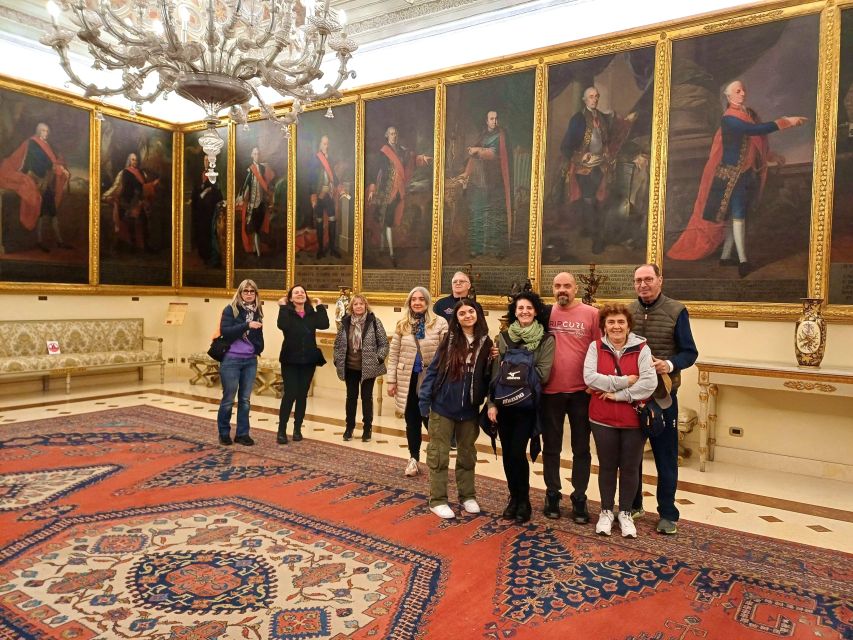
Not all of the experience is the Palatine Chapel. You also get time in the Royal Palace itself, where rooms reflect different rulers and tastes. One highlight is that you will see the Chinese style queen chamber.
Even with the name, do not expect a literal replica of China. Instead, expect a “royal fantasy” approach: design choices that signal fashion, worldliness, and status. In a place like this, you learn that palaces were not isolated from the wider imagination. They borrowed styles, softened them into local tastes, and used them to communicate power.
When I think about value in a guided palace tour, rooms like this are a big reason. They make the building feel alive. You are not only seeing religious art, you are seeing court culture, with the tone shifting from sacred to political to personal.
Price and ticket reality: what $14 really buys you
The tour price is listed at $14 per person for a 1-day experience. That is a fair headline price, but the key detail is what is included versus not included.
What you get for the $14
You get the tour guide service in Italian with a professional guide. In other words, you are paying for interpretation and direction, not just entry into rooms.
What costs extra
You still need the entrance ticket for the Palace and the Palatine Chapel. You can buy it at the Royal Palace ticket office or online on the official website. Plan for that added cost, and try not to treat the $14 as the total day budget.
Why this still feels good value
Here is the balanced take: if you were to show up and wander on your own, you would likely see beautiful things, but you might miss the “why” behind the mosaics and the timeline behind the palace rooms. For $14, you are buying a guide-driven connection to the place. In places with layers like this, that connection is often the difference between a photo stop and a meaningful visit.
Italian-only guiding: how to make it work
The tour is only in Italian. That could be the deal-breaker for some people. If your Italian is basic, do not panic. You can still follow a lot through names, dates, and visual references, especially in a place like the chapel where the art does the heavy lifting.
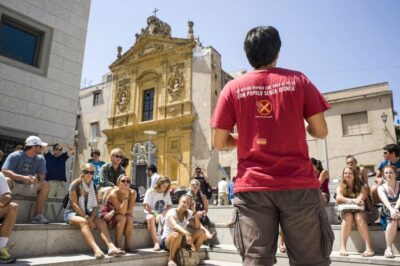
This is also where the guide quality really shows. In guide feedback, names like Fabrizio and Claudio come up with consistent praise for being prepared, engaging, and capable of keeping the story moving. That matters because Palermo’s royal history can otherwise feel like a pile of rulers. A strong guide turns it into a sequence.
My practical prep tips:
- Download a translation app before you go, and keep it ready for key terms like mosaics, ceiling, and palace rooms.
- If you know a few simple Italian phrases, use them. Even a little effort helps you get more from the guide’s rhythm.
- Expect the guide to explain details connected to what you see, not just recite dates.
Dress code and comfort: quick rules that affect the day
The tour has a clear dress rule: no shorts, no short skirts, and no sleeveless shirts. This is especially important for the chapel setting. If you show up casually dressed, you may waste time adjusting, or you may get turned away at the entry point.
Comfort-wise, do not assume lots of places to sit. One piece of feedback points to limited seating options, with mostly standing time and very few rooms where you can rest. That does not mean it is a standing-only ordeal, but it does mean you should plan your comfort strategy. If standing for long stretches is hard for you, think about bringing a small comfort aid like supportive footwear and planning your pace.
A note on wheelchair information
The information provided lists wheelchair accessible, but it also states it is not suitable for wheelchair users. Because of that contradiction, I would confirm details directly with the operator before booking so you know what route and room access will realistically work.
Who should book this UNESCO day tour
This is a strong fit if you:
- Want a one-day, high-impact Palermo experience focused on UNESCO mosaics and royal power
- Like history that connects art to politics, not history told as a list of rulers
- Enjoy guided explanation, especially since the story is delivered in Italian
It may be a weaker fit if you:
- Need an English tour. The guiding service is Italian-only.
- Really cannot handle standing for extended periods, since seating options can be limited.
- Are not able to meet the dress code (no shorts, short skirts, or sleeveless shirts).
Should you book it?
I think you should book this tour if your priority is the Palace and Palatine Chapel experience, but you also want someone to help you read the building. For $14, you are getting a real guide-led interpretation, and the setting itself is one of Sicily’s top UNESCO stops.
Skip it only if the Italian-only format is a deal-breaker for you, or if ticket requirements and dress rules would stress you out more than you want. If you can handle those basics, this is exactly the kind of day trip that turns a famous site into a story you can actually follow.
FAQ
Are the entrance tickets included in the tour price?
No. The guide service is included, but the entrance ticket for the Palace and the Palatine Chapel is not included. You will need to buy it separately at the ticket office or online on the official website.
What language is the tour guide?
The tour guide service is in Italian only.
Where do I meet the guide?
Meet in front of the ticket office kiosk, about 100 meters from the Palace entrance.
What should I wear?
Shorts, short skirts, and sleeveless shirts are not allowed. Plan for clothing that follows that dress code, especially for chapel entry.
How long is the tour?
It is listed as a 1-day experience.
Is the tour wheelchair accessible?
The information provided includes wheelchair accessibility, but it also states it is not suitable for wheelchair users. Check directly with the operator before booking.
What does the tour cost?
The tour is listed at $14 per person, with the entrance ticket not included.
What is the cancellation policy?
Free cancellation is available up to 24 hours in advance for a full refund.
Our Wider Tours File for Palermo
Not quite the day you had in mind? The rest of our Palermo write-ups sit below
- Palermo: Anti-Mafia Heroes Evening Walking Tour★ 4.6 · 172 reviews
- From Palermo: Half-Day Corleone Excursion★ 3.8 · 182 reviews
- Tour Cappella Palatina e palazzo Reale: patrimonio Unesco★ 4.8 · 183 reviews
- Palermo: Full-Day Snorkeling Boat Tour with Lunch and Wine★ 5.0 · 196 reviews
- Wanna be Sicilian: Palermo Cooking Class and Market Tour★ 5.0 · 197 reviews
- Sicily: Etna Volcano & Taormina Tour★ 4.4 · 199 reviews
- From Palermo: Erice and Marsala Day Trip with Lunch★ 4.8 · 199 reviews
- Palermo: Cappella Palatina and Palazzo dei Normanni Tour★ 4.8 · 214 reviews
- Palermo Half Day Boat Tour with Palermo Experiences★ 5.0 · 224 reviews
Tours, top to bottom.
 ★ 4.3Vatican Museums & Sistine Chapel Tour with Optional BasilicaFrom $7967,413 reviews
 ★ 4.7Colosseum, Roman Forum & Palatine Guided TourFrom $7863,148 reviews
 ★ 4.5Vatican Museums, Sistine Chapel & St Peter’s Basilica Guided TourFrom $2239,149 reviews
 ★ 4.8Rome: Colosseum, Palatine Hill and Roman Forum Guided TourFrom $5232,814 reviews
 ★ 4.7Rome: Guided Tour of Colosseum, Roman Forum & Palatine HillFrom $5527,897 reviews
 ★ 4.5Rome: Colosseum, Roman Forum and Palatine Hill Guided TourFrom $5923,903 reviews
 ★ 4.4Naples: Naples Underground Entry Ticket and Guided TourFrom $2121,781 reviews
 ★ 4.8Pompeii: Entry Ticket and Guided Tour with an ArchaeologistFrom $3519,459 reviews