
Reviewed · COLOSSEUM & ROMAN FORUM TOURS
Rome: 2-Hour Gladiator School
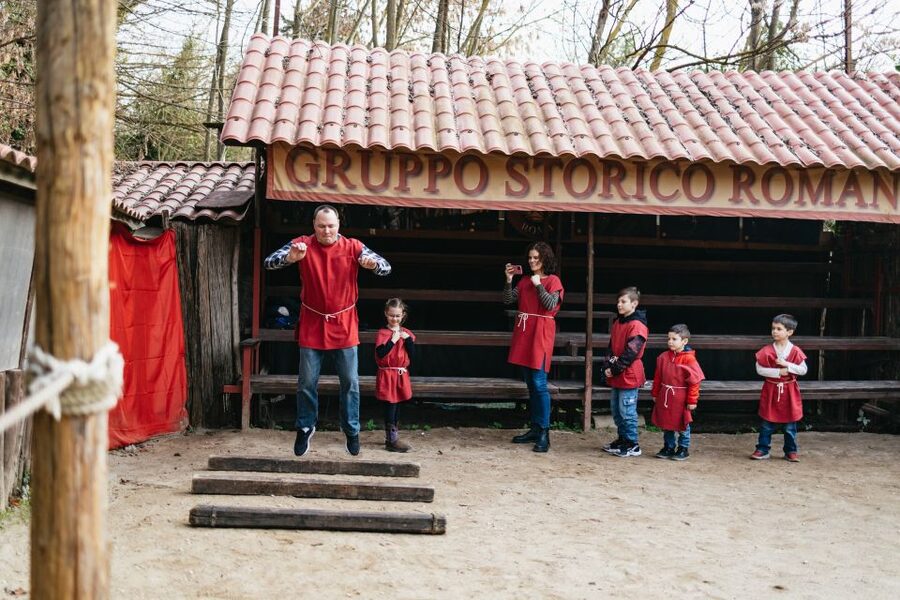
Sword practice on the Appian Way beats museums. This 2-hour gladiator school turns Roman legends into something you can actually do, with hands-on training and a gladiator history stop at the school on the Via Appia Antica. What I like most is the constant activity, and the way the final fighting is structured to be fun and safe. One thing to plan for: the arena and grounds are outdoors, so bring insect repellent and expect sun and heat.
I also love that it works for mixed groups. Kids get lots of encouragement and coaching, while adults and spectators still stay busy with demonstrations and Roman context from guides such as Cena or Mirko. You end up wearing a tunic, learning basic Roman weapon techniques, then finishing with an arena battle and a certificate.
If you’re hoping for a quiet, walk-at-your-own-pace Rome stop, this is not that. It is an energetic class, best when you want movement, laughs, and a memorable hands-on moment after the big sights.
In This Review
- Key highlights to know before you go
- Gladiator School on the Appian Way: why this setting feels special
- Getting started at the Gladiator School: museum stop first, then class
- Tunics, introductions, and the safety-minded way swordplay is taught
- The training block: learning Roman weapon techniques without overthinking it
- The arena moment: final battles, foam weapons, and a certificate to remember
- Price and value: is $135.94 per person worth it?
- Who this gladiator school suits best (and who might not)
- Practical tips for a smooth 2-hour gladiator session on the Appia Antica
- Should you book this gladiator school in Rome?
- FAQ
- Where does the gladiator school meet?
- How long is the Rome 2-hour gladiator school experience?
- What’s included in the price?
- Is it suitable for both kids and adults?
- What languages are the instructors?
- Do parents or companions need tickets if they do not attend the course?
- Is this activity wheelchair accessible?
Key highlights to know before you go
- Appia Antica location: you train on the ancient road, not in a faraway theme park corner
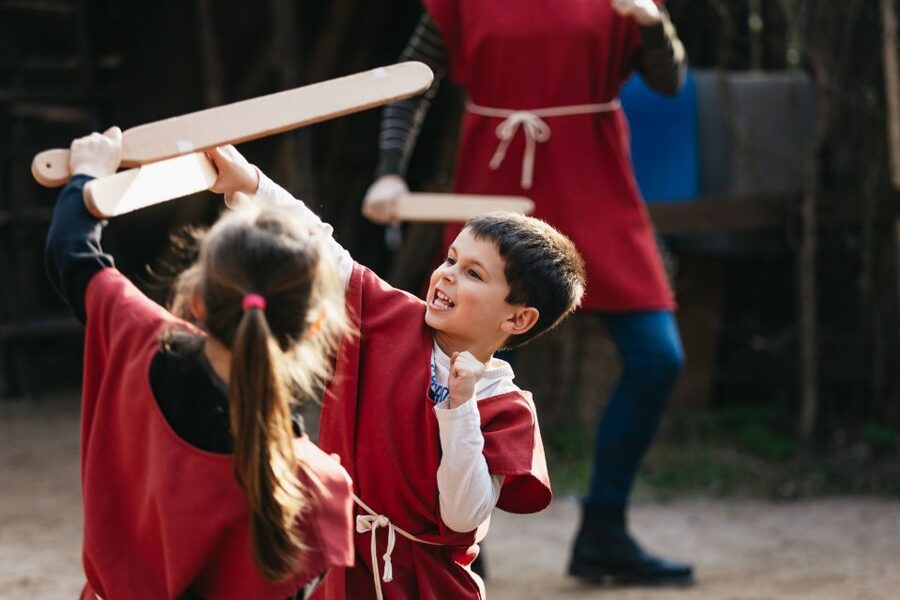
- Swordplay coaching: you learn basic gladiator techniques with safety in mind
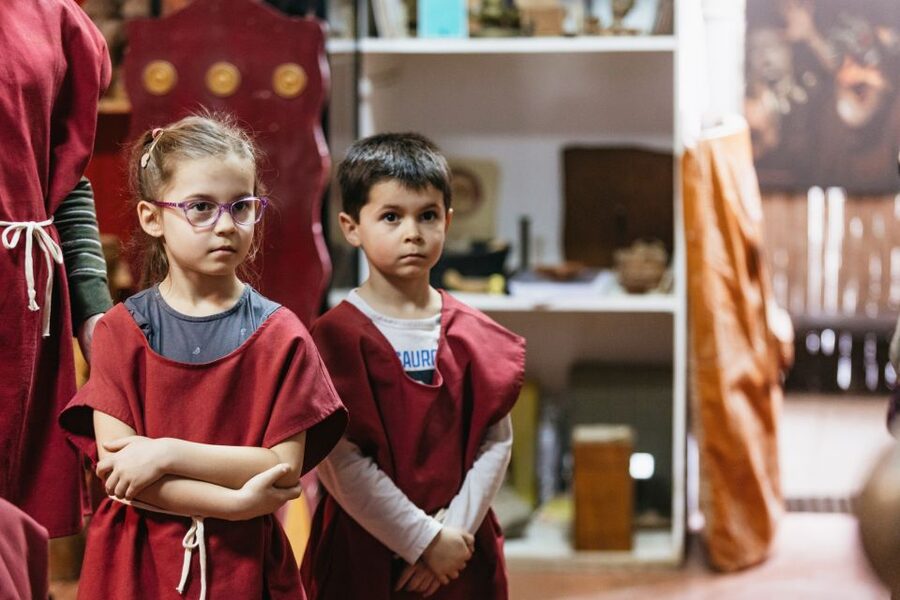
- Mini museum visit: Roman artifacts and weapons set the stage before training
- Spectator-friendly energy: even watching feels like part of the experience
- Tunic, arena, certificate: you leave with a real souvenir you earned
Gladiator School on the Appian Way: why this setting feels special

Rome has plenty of history you can look at. This experience adds the missing piece: you do history. Training on the Via Appia Antica gives the class a sense of place. You are not just hearing about imperial-era spectacle, you are standing where Romans once marched, moved goods, and traveled.
The best part is how fast it turns from explanation to action. In just 2 hours, you get the story, then you practice the techniques. That pacing matters, because it keeps kids from getting restless and keeps adults from feeling like they’re stuck in a long lecture.
Another reason this works is the contrast. If you already visited the Colosseum, you’ve seen the stadium and the drama. Here, you get the smaller, more personal side of that world: weapons, discipline, and the ritual of gladiatorial performance, taught in plain language. It’s the kind of activity that makes photos more than just background pictures.
You should also know the “vibe” on the day. Expect motion, cheering, and a playful, trainer-led rhythm. If you go expecting a museum-style stroll, you’ll be surprised.
Filed beside this one, more Colosseum and Roman Forum tours in Rome.
- Rome: Colosseum, Palatine Hill and Roman Forum Guided Tour
★ 4.8 · 32,814 reviews - Rome: Guided Tour of Colosseum, Roman Forum & Palatine Hill
★ 4.7 · 27,897 reviews - Rome: Colosseum & Forum with Audio Guide App -Optional Arena
★ 4.2 · 24,770 reviews - Rome: Colosseum, Roman Forum and Palatine Hill Guided Tour
★ 4.5 · 23,903 reviews
Getting started at the Gladiator School: museum stop first, then class
Your day begins at the Gladiator School of Rome on the Appian Way. It’s an easy setup for families because the start and finish are the same place, and you don’t have to worry about multiple transfers mid-lesson.
Before you touch any weapon training, you get a museum visit included in the experience. This matters more than it sounds. The museum portion gives you the why behind the gear. You see items and learn what they represented in Roman life and gladiatorial culture, so your later sword drills feel connected instead of random “moves.”
One practical tip: if you have kids, this first stop is when they usually get their brains in gear. They can look at artifacts, ask questions, and understand what they’re about to do. Adults often enjoy it too, especially if you’re tired of only seeing Rome from the far side of a rope.
Where to arrive by public transit: the nearest bus station listed is Appia Antica-Travicella (lines 118 or 218). Even if you arrive by taxi or on foot, that bus stop reference helps you orient quickly.
Tunics, introductions, and the safety-minded way swordplay is taught
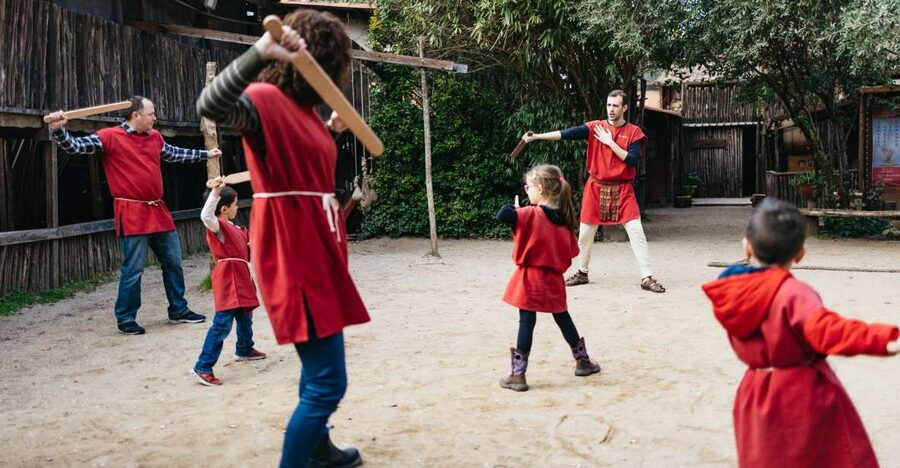
When you start training, you’re not handed a sword and thrown into chaos. You wear a gladiator tunic and learn basics in a controlled, coached way. The goal is to let you feel like a gladiator while keeping the practice safe for different ages and experience levels.
The instructors introduce Roman history and also talk about gladiator life. That context helps you understand what you’re rehearsing. You’re learning techniques as if they’re part of an actual training tradition, not just doing choreography.
A helpful detail: your instructors speak English and Italian, so you’re less likely to get lost if your group mixes languages. Guides you might encounter include Cena, Mirko, Marko, Olympus, Patriccio, and Sina, all of whom are described as engaging and patient. That personality piece is huge in a class like this, because sword drills go better when people feel comfortable making mistakes.
In my view, the best teaching style here is the “active confidence” approach. You get instruction, you try, you get corrected, then you try again. That loop is what turns a fun photo moment into real participation.
The training block: learning Roman weapon techniques without overthinking it

The heart of the experience is the 2-hour training session. After introductions, you start learning basic techniques for gladiatorial sword fighting. You’ll practice grips, stance, and controlled movements, guided step by step. Since the lesson is designed for both kids and adults, it doesn’t require prior martial arts experience.
What I like about this format is that it respects your time. You’re not asked to spend weeks getting “good.” Instead, you get clear coaching and enough repetitions to feel capable. That’s why the experience tends to work even when you bring a wide age range.
If you’re doing this after big-ticket Rome sights, you’ll appreciate the change of pace. Instead of another standing-in-a-line moment, you get movement and a clear start and finish. It’s also a good way to burn off some energy during a family trip.
You should also expect a reality check: Rome heat is real, especially on the Appia road. One review mentions shady spots and cold water during hot weather. That doesn’t mean it’s always cool, but it does suggest the team plans for comfort. Still, bring water if you can, wear sun-safe layers, and don’t wait until you feel thirsty.
Mosquitoes show up too. A review specifically called out lots of them, so plan on bug spray. It’s one of the simplest ways to make the experience more pleasant.
The arena moment: final battles, foam weapons, and a certificate to remember

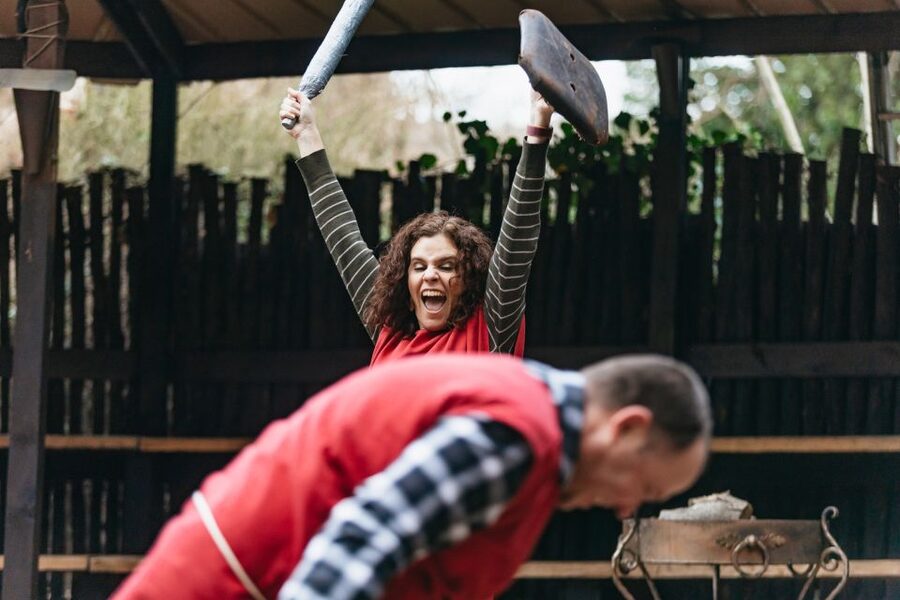
The last phase is where it clicks. You’ve done the practice, you’ve learned the basics, and then you get a final battle in an amphitheatre setting. Some participants describe this as happening in front of an Emperor, which adds that theatrical finish.
This part is also described as using foam swords. That matters, because it explains why the fighting can be exciting without becoming risky. You get the drama of gladiator combat, without the injuries that would make a class like this impossible for families.
This is also why spectators enjoy it. When the group goes into battle mode, everyone is watching, cheering, and learning in real time. Kids love seeing their efforts pay off, and adults often enjoy that moment because it turns passive sightseeing into participation.
At the end, you receive a certificate. It’s not just a paper souvenir. It’s proof you completed the training and followed the full arc of the lesson. For kids, that kind of tangible finish can matter more than you expect, because they get to bring home a “I did this” memory.
Price and value: is $135.94 per person worth it?
At about $135.94 per person, this isn’t a budget activity. So the value question is fair.
Here’s what justifies the cost. You get a full 2-hour, instructor-led class with multiple parts: museum visit, tunic and training, final arena bouts, and drinks. You also get structured group coaching, plus a certificate at the end. In other words, you’re paying for time, teaching, equipment, and performance space.
The best value tends to happen when you can bring your whole party. Families often find it especially worthwhile because it’s not a “one kid enjoys it, everyone else waits” situation. Adults and spectators also tend to have a good time because explanations and demonstrations keep coming.
It’s also worth thinking about your alternative choices in Rome. If you’re spending the day on ticketed sights and tours, this gives you a different kind of experience. It’s an activity you can talk about later, and it turns Roman history into physical memory.
If your group only wants quick photos and you hate structured activities, you might find it overpriced for what you want. But if you’re comfortable with a high-energy, guided class, the price starts to look more reasonable.
Our reviewers also walked through other two-hour experiences in Rome.


Who this gladiator school suits best (and who might not)
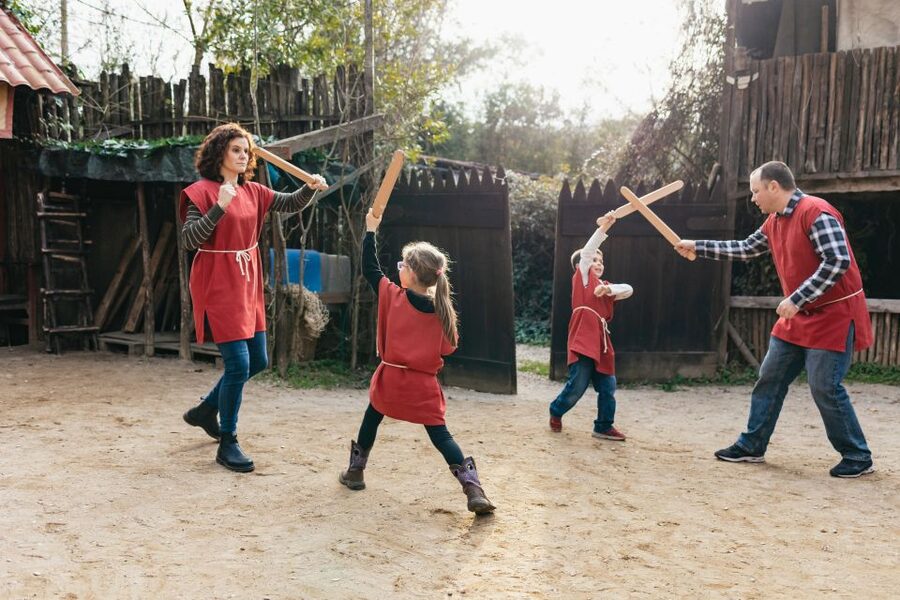
This is one of those activities that fits multiple trip styles.
It suits:
- Families with kids who want an active break from museums
- Adults who enjoy hands-on learning, even if they are not sporty
- People who loved the Colosseum but want more than viewing
It might not suit you if:
- You want a quiet, low-energy visit
- Your group struggles with outdoor walking and waiting in the sun
- You prefer history only through reading and galleries, not participation
The mixed-age success is a big reason it works. Many groups include everything from kids to grandparents, and the coaching is described as patient and encouraging. That’s important because it means you’re not stuck with one strict level.
Language is another plus. With English and Italian instruction, it’s easier to keep up than some other Roman experiences that rely on a lot of guessing.
Practical tips for a smooth 2-hour gladiator session on the Appia Antica
Plan for weather and comfort first, because that’s the biggest variable on the Appian road.
Bring:
- Insect repellent, since mosquitoes can be an issue
- Sunscreen and a hat, because you will be outside for parts of the lesson
- Water, even though drinks are included and cold water may be available
Dress:
- Wear comfortable shoes you can move in. You will practice stances and steps.
- Choose light layers if it’s hot. If you’re bringing kids, stick to breathable clothing.
Timing:
- The experience lasts 2 hours, and you should check availability to see starting times. Picking the right start time can help you avoid the worst sun.
Group energy:
- Expect constant movement and coaching. If you’re the type who likes long pauses and slow pacing, this will feel busy.
One more small win: if you’re traveling with multiple generations, this is one of the few “everyone can participate in some way” activities. Even if you’re not training like the kids, the arena arc keeps you part of the story.
Should you book this gladiator school in Rome?

Yes, you should book it if you want an active, family-friendly Rome memory that goes beyond looking. The combination of a mini museum visit, guided swordplay practice, and a final arena battle creates a complete arc in just 2 hours. If your group enjoys hands-on learning, it’s hard to beat.
I’d skip it if you only want passive sightseeing or if your group has little tolerance for sun, bugs, or guided participation. Also, if you’re expecting a calm, historical lecture, the format will feel too physical and fast.
If you’re already planning Colosseum time, this is a great companion. It helps the Roman spectacle make sense, then lets you reenact the moment with safety-minded coaching. For families, it’s often the kind of experience kids remember long after the Roman ruins fade into background scenery.
FAQ
Where does the gladiator school meet?
You meet your instructor at the Gladiator School of Rome, located on the Appian Way. The nearest bus station is Appia Antica-Travicella (lines 118 or 218). The activity ends back at the meeting point.
How long is the Rome 2-hour gladiator school experience?
The lesson lasts 2 hours. Starting times vary, so you should check availability for the schedule.
What’s included in the price?
The experience includes a museum visit, gladiator training, a certificate, and drinks.
Is it suitable for both kids and adults?
Yes. The lesson is suitable for children and adults, with training designed to be safe and fun for mixed ages.
What languages are the instructors?
Instructors offer guidance in English and Italian.
Do parents or companions need tickets if they do not attend the course?
Parents and/or companions do not have to pay for a ticket if they do not attend the course.
Is this activity wheelchair accessible?
Yes, the activity is listed as wheelchair accessible.
The Rest of Our Two-hour Experiences in Rome



Other Colosseum and Roman Forum Tours in Rome From Our Notebook
Not quite the day you had in mind? The rest of our Rome write-ups sit below
- Rome: Guided Tour of St. Peter’s Dome Climb, Basilica & Vatacombs★ 5.0 · 167 reviews
- St. Peter’s Basilica Guided Tour with Reserved Entrance★ 4.0 · 168 reviews
- Golf Cart Driving Tour in Rome: 2.5 hrs Catacombs & Appian Way★ 5.0 · 168 reviews
- Rome: Trastevere Wine Tasting with Food Pairing and Gelato★ 4.9 · 168 reviews
- Guided Tour of the Colosseum Palatine Hill and Roman Forum★ 4.7 · 168 reviews
- Vatican Museums, Sistine Chapel & Saint Peter’s Semi-Private Tour★ 4.5 · 169 reviews
- Hidden Rome: Small Group E-Bike Tour with Street Food Stops★ 5.0 · 169 reviews
- Rome: Papal Audience with Pope Leo IV★ 3.9 · 169 reviews
- Rome Golf Cart Tour: Highlights & Must See★ 4.5 · 170 reviews
Colosseum & Roman Forum Tours, top to bottom.
 ★ 4.7Colosseum, Roman Forum & Palatine Guided TourFrom $7863,148 reviews
 ★ 4.8Rome: Colosseum, Palatine Hill and Roman Forum Guided TourFrom $5232,814 reviews
 ★ 4.7Rome: Guided Tour of Colosseum, Roman Forum & Palatine HillFrom $5527,897 reviews
 ★ 4.2Rome: Colosseum & Forum with Audio Guide App -Optional ArenaFrom $4124,770 reviews
 ★ 4.5Rome: Colosseum, Roman Forum and Palatine Hill Guided TourFrom $5923,903 reviews
 ★ 4.4Rome: Colosseum, Forum & Palatine Hill Tour & Optional ArenaFrom $5813,839 reviews
 ★ 4.0Rome: Colosseum, Roman Forum, Palatine with Multimedia VideoFrom $3212,766 reviews
 ★ 4.6Rome: Colosseum, Palatine Hill & Roman Forum Guided TourFrom $5112,703 reviews