
Reviewed · AUDIO TOURS
Trieste Bus Tour with Audio Guide
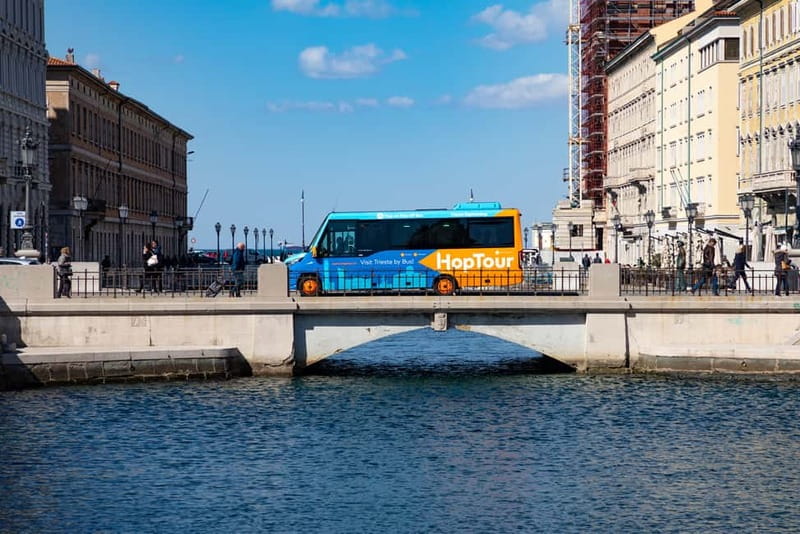
Trieste clicks into place in 90 minutes. This audio guide bus tour lines narration up with the route, so major spots start making sense as you pass them. I love that the story matches what you’re actually seeing, from the old-ship pier area at Molo Audace to the coast toward Miramare.
The best part for planning is the flexibility. You can use the bus as a “see first, decide later” tool with hop-on hop-off stops, and the ticket stays valid for 24 hours so you can take another ride if you time it right.
One key consideration: the stop for Miramare Castle can involve a walk, about 700 m each way in some cases, so it helps to bring water and plan for extra time on hot days.
In This Review
- Key points to know before you ride
- Why a Trieste bus tour works when you have limited time
- Getting on at Molo Audace, then settling into the rhythm of the city
- The harbor story: Molo Audace, pier history, and the port mood
- Salone degli Incanti and the Ottaviano Augusto waterfront: what to watch for from the bus
- Campo Marzio and the Sea Museum area: a shortcut to the city’s maritime side
- Roman Trieste: Teatro Romano and Santa Maria Maggiore views
- The mix of faiths and empires: Saint Spiridione and Sant’Antonio stops
- Piazza Vittorio Veneto, Grande Canal, and Ponterosso: the city center from a good angle
- Piazza della Borsa and San Giusto Hill: viewpoints you should aim for
- Oberdan Tram Station to Libertà Station: practical stops that help you move later
- Old Port, Barcola Pine Forest, and Barcola Beach: the coast shifts character
- Miramare Castle and the Barcola seafront: a must-see, with a walk to plan
- Greek Orthodox Saint Nicholas zone and the return loop to Molo Audace
- How to use the hop-on hop-off option without wasting time
- Included extras that make the difference in real life
- Who should book this Trieste bus tour
- Should you book the Trieste Bus Tour with Audio Guide?
- FAQ
- Where do I board the bus for the Trieste tour?
- How long is the Trieste bus tour?
- Is the audio guide available in languages other than English?
- Can I hop on and hop off during the tour?
- How long is my ticket valid?
- Are entrance tickets to attractions included?
- Is the tour pet-friendly?
- Is there any refund or flexible booking option?
Key points to know before you ride
- Synchronized multi-language audio keeps Trieste’s landmarks from feeling like random photos
- Hop-on hop-off with 24-hour ticket lets you explore at your pace, not the bus’s
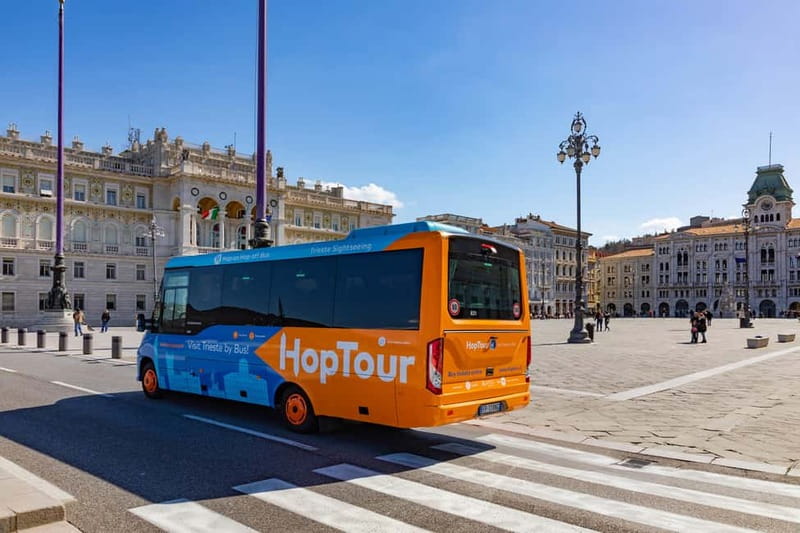
- Air-conditioned comfort is a real win on a warm coastal day
- Waterfront to hilltop views means you see the city’s different “faces” in one loop
- Molo Audace to Miramare covers both the historic harbor mood and the sea-garden coastline
Why a Trieste bus tour works when you have limited time

Trieste is one of those cities where the layout matters. The port and waterfront shape the mood, then the view climbs up toward churches and castle walls. Doing this by walking only can be tiring fast, especially if you want both sea views and historic streets without guessing routes.
This ride is built for orientation. You get a smooth, air-conditioned bus experience while a route-synced audio guide explains what you’re seeing. And because you can hop on and off, you can turn the bus into a planning tool for later, when you know which corners you want to return to.
At $19 per person, the value comes from scope. In about 1.5 hours, you cover a wide sweep of Trieste, including harborfront areas, Roman-era remains, Orthodox religious sites, and the Miramare coastline. Entrance tickets are not included, but you’re paying mostly for transport plus structured context, which is exactly what helps on a first visit.
We wrote up further guided tours in Trieste on the same pass through the archive.
- Trieste Bus Tour with Audio Guide
★ 4.5 · 1,648 reviews
Getting on at Molo Audace, then settling into the rhythm of the city
You board at Molo Audace, right in front of piazza Unità d’Italia. It’s a practical start because the area sits right by the water, and it sets the theme of Trieste as a maritime border city.
Once you’re on, the bus does the hard work. You ride past the shoreline, then through the older center, then back out again along the coast and up toward hilltop viewpoints. The audio guide is synchronized with the route, which means you don’t have to stop and read every sign to understand why a building matters.
There’s also real comfort to the basics: the bus is air-conditioned, and you get a USB charger and on-board help if something is confusing. That matters on tours where the experience can go sideways if you’re stuck trying to figure out where to be and when.
The harbor story: Molo Audace, pier history, and the port mood
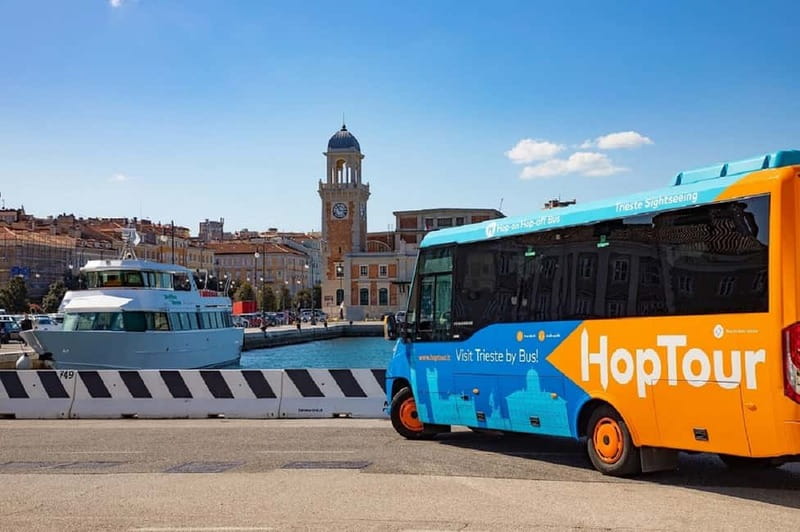
The tour begins near the water, and it’s not just scenery. Molo Audace is known for its connection to maritime history, including the pier being built on the wreck of an old ship. As you ride, that theme keeps popping up, which is useful if you want Trieste’s identity in one mental frame.
From there, you pass through the harbor areas along the Mandracchio and Nazario Sauro shorelines. These are the parts of Trieste where the city feels plugged into the sea. Even if you don’t hop off, the bus route helps you “map” where the waterfront sits relative to the historic center.
A smart move here is to stay on for the first pass. Let the narration connect dots once, then hop off later at the places you want to inspect closer.
Salone degli Incanti and the Ottaviano Augusto waterfront: what to watch for from the bus
As you roll along toward the Nazario Sauro area, you’ll come to Salone degli Incanti, tied with Eataly in the route stops. This is the kind of place that’s easier to understand after you see it in motion from the bus, because you can tell how it fits along the waterfront line.
Then the route continues near Via Ottaviano Augusto, where you pass by the lighthouse area and the La Lanterna Baths. The sea-facing elements are the point here. If you care about views, this segment is where you start noticing how Trieste’s coast bends and opens.
Even without getting off, you’re building a “where is what” mental map. That makes it much easier to plan your own follow-up walk later.
Campo Marzio and the Sea Museum area: a shortcut to the city’s maritime side
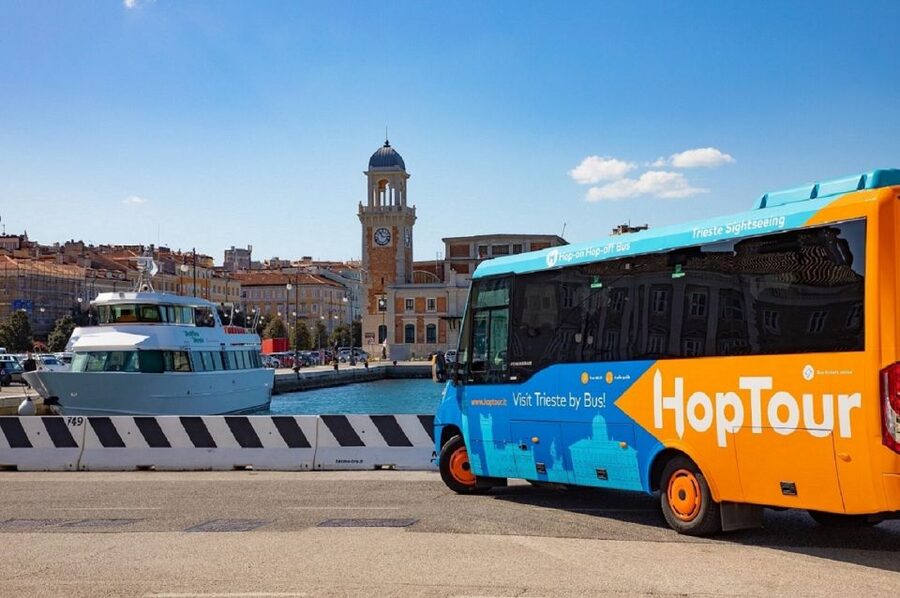
Next, you pass through the Campo Marzio area, including the Sea Museum stop. The advantage of seeing it from the bus is simple: you get a clear sense of the neighborhood and how it connects back toward the older streets.
If you do want to hop off, this is a logical place to do it because it keeps you in a maritime theme before the route starts shifting fully into the historic center and its churches.
Tip: don’t plan to do everything on the first loop. A lot of the value is in knowing which stop feels like your kind of Trieste.
Roman Trieste: Teatro Romano and Santa Maria Maggiore views
When the route turns toward the Roman core, you’ll pass Roman Theatre of Trieste and the Santa Maria Maggiore Church area. This is where Trieste stops being just “pretty coastal city” and becomes a place with deep layers.
The Roman remnants are fascinating because they’re not hidden in a far-away museum. You see them in the street-city fabric, which makes the history feel closer to daily life.
If you hop off near this zone, keep your expectations practical. Expect photos, a quick street walk, and a sense of scale more than a full-day archaeological experience unless you plan extra time.
If the dates do not line up, these self-guided tours in Trieste are reviewed too.

The mix of faiths and empires: Saint Spiridione and Sant’Antonio stops
Trieste is famously multicultural, and the bus route reflects it. You pass Orthodox Serbian Temple of Saint Spyridione and the Maria Teresia religious complex area along Saint Spiridione Street.
Later, you pass the Church of Sant’Antonio Nuovo around Saint Antonio Square. This part of the ride is valuable even if you don’t go inside, because you can see how architecture and community histories sit side by side.
A practical approach is to look for shape and placement. On a bus, you can’t read everything, but you can notice how a domed structure or a church facade anchors a street. Those visual anchors are what let you navigate later when you’re on foot.
Piazza Vittorio Veneto, Grande Canal, and Ponterosso: the city center from a good angle
As the route moves through the center, you’ll pass Piazza Vittorio Veneto, plus the Grande Canal area and Ponterosso Square. These stops matter because they show the city’s urban “flow,” where the center feels more like an active streetscape than a quiet seaside promenade.
From the bus, you can also gauge distances. Trieste’s center can feel walkable once you’ve seen the layout from above street level and from the bus line.
If you’re short on time, this is a segment to treat as observation. If something catches your eye, note which square you want to return to after your bus loop.
Piazza della Borsa and San Giusto Hill: viewpoints you should aim for
Next comes Piazza della Borsa, then the big visual change of San Giusto Hill. The route passes San Giusto Castle and Church, plus nearby stops like Goldoni Square and Carducci Boulevard.
This hilltop zone is worth caring about because it gives Trieste its “look down over everything” perspective. Even a quick peek from the right angle can make the entire city feel legible.
If you hop off here, don’t try to cram too much. Go for the view, take a few photos, then decide if you want to linger. Trieste rewards short, intentional stops more than sprinting.
Oberdan Tram Station to Libertà Station: practical stops that help you move later
You also pass through Piazza Guglielmo Oberdan near the tram station, and Piazza della Libertà near the train station. There’s value in seeing these transport nodes because they help you plan how you’ll get back out.
If you’re using Trieste as a base for day trips, having these areas on your mental map is useful. It also makes it easier to choose a follow-up walk after the bus returns.
One small, practical note from the experience style here: the bus route makes it easier to get around without constantly checking directions, especially if you’re carrying a bag or two.
Old Port, Barcola Pine Forest, and Barcola Beach: the coast shifts character
After the historic core, the route swings back toward the sea. You’ll pass Old Port areas along Miramare Boulevard, then continue toward Barcola and its coastline spaces.
This is where you get the coastal “breathing room” part of Trieste. You’ll see the Barcola Pine Forest, plus the Barcola Beach area. If you care about water views and a more relaxed pace, this segment is where the bus is doing exactly what you want on limited time.
Consider timing your hop-off if the sun is high. Coastal stops can get warm, fast. Even if you don’t go far, stepping off briefly helps you feel the air and scale.
Miramare Castle and the Barcola seafront: a must-see, with a walk to plan
The highlight stretch is clearly toward Miramare Castle. You’ll pass through Miramare-area crossroads and seafront zones, including mention of Topolini Baths. Then you reach the Miramare Castle stop area.
Here’s the practical reality: the bus may not drop you right at the castle gates. A walk from the stop can be around 700 m each way, which can be tiring in heat or if you’re on a tight schedule.
If Miramare is a top priority, do this smartly:
- hop off with enough time to actually enjoy the grounds
- bring water
- keep your return to the next bus in mind
If you don’t want the walk, you can still enjoy the area from the bus route and surrounding viewpoints, but you will miss the full castle experience.
Greek Orthodox Saint Nicholas zone and the return loop to Molo Audace
As you come back, the route passes Tre Novembre Shore and the Greek Orthodox Church of Saint Nicolò area. You’ll then circle back toward Libertà Square and eventually return to Molo Audace near piazza Unità d’Italia.
This return loop is not just repetition. It helps you re-confirm the city’s structure: where the port sits, where the hilltop landmarks are, and where the coast begins to feel like a different world.
It also makes the “plan after you ride” method easier. After one full cycle, you usually know exactly which stop deserves a second visit on foot.
How to use the hop-on hop-off option without wasting time
This tour’s flexibility is real, but it needs strategy. Your seat is guaranteed only for the course you booked, and you’ll likely be waiting for the next bus if you hop off and want to return.
So if you want to maximize your hop-offs, start early. The gaps between buses can add up, and this is exactly when a 1.5-hour loop can turn into a longer day if you time it poorly.
Also, if you rejoin the bus after a stop, you may need to check in with the on-board staff. The staff are there to keep things smooth, but it helps to be clear so you’re not standing around with the wrong expectations.
If you have bigger luggage, you might be able to store it underneath the bus, which can help if you arrive by cruise or you’re moving around the city with bags.
Included extras that make the difference in real life
The “included” part is small, but helpful:
- A bus ticket with audio guide in Italian, English, German, and Spanish
- USB charger for your phone
- On-board assistance
The audio guide is a big deal here. Without it, you’d likely get lots of photos but fewer takeaways. With it, you’re learning why the city looks the way it does, and that turns your time into actual progress, not just movement.
Entrance tickets are not included, so treat the bus as the orienting layer. Use it to decide what you want to pay to enter later.
Who should book this Trieste bus tour
This one is a great fit if:
- you’re in Trieste for a short stop and want a wide sweep
- you prefer comfort and context over self-guided route guessing
- you like audio in your own language and want it to match what you see
- you want to decide on later walks after you see the city’s shape
It’s also a good option for families and for visitors who want a low-stress way to hit both seaside areas and historic streets in one day.
One more point: pets are allowed only if wearing the muzzle. If you’re traveling with a pet, plan accordingly.
Should you book the Trieste Bus Tour with Audio Guide?
I’d book it if you want a fast, organized introduction to Trieste without turning your day into logistics. For the price, you’re paying for transport, multi-language guidance, and the freedom to hop off when something pulls you in, like the Roman-era stops or the Miramare coastline.
Skip it only if Miramare Castle is your only priority and you already know you want to spend hours there on foot. In that case, you might prefer a more focused plan. But if you want the big-picture view, this tour is one of the easiest ways to get bearings fast and then explore with confidence.
FAQ
Where do I board the bus for the Trieste tour?
You board at Molo Audace, in front of Unità d’Italia Square.
How long is the Trieste bus tour?
The duration is 1.5 hours.
Is the audio guide available in languages other than English?
Yes. The audio guide is available in Italian, English, German, and Spanish.
Can I hop on and hop off during the tour?
Yes. You can hop on and off at any stop and take the next bus if there is a seat.
How long is my ticket valid?
Your ticket is valid for 24 hours.
Are entrance tickets to attractions included?
No. Entrance tickets to attractions and monuments are not included.
Is the tour pet-friendly?
Pets are allowed only if wearing the muzzle.
Is there any refund or flexible booking option?
There is free cancellation up to 24 hours in advance for a full refund, and you can reserve now and pay later.
Guided Tours in Trieste We Also Walked
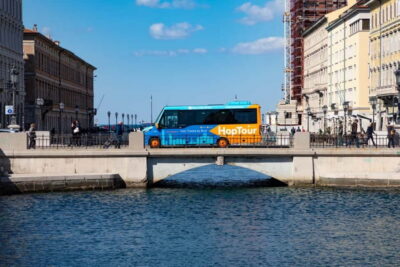
Our Wider Tours File for Trieste

Not quite the day you had in mind? The rest of our Trieste write-ups sit below
- Trieste: 2.5-Hour Prosecco Origins Tour and Tastings★ 4.9 · 193 reviews
- Trieste: Miramare Castle & Museum Entry Ticket & Audio App★ 4.2 · 213 reviews
- Trieste Bus Tour with Audio Guide★ 4.5 · 1,648 reviews
Audio Tours, top to bottom.
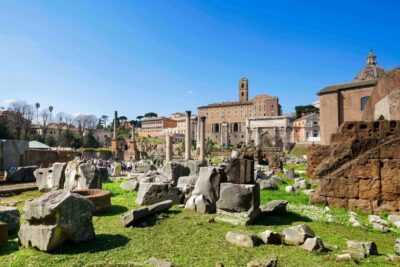 ★ 4.2Rome: Colosseum & Forum with Audio Guide App -Optional ArenaFrom $4124,770 reviews
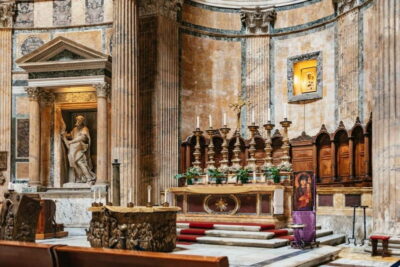 ★ 4.3Rome: Pantheon Fast-Track Ticket and Official Audio GuideFrom $621,008 reviews
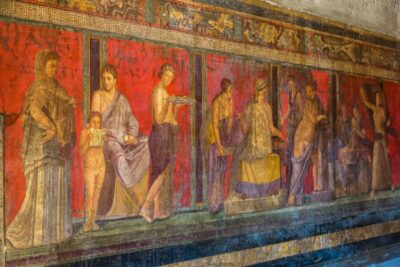 ★ 4.2Pompeii: Entry Ticket with Optional Audio GuideFrom $2612,360 reviews
 ★ 4.6Venice: La Fenice Opera House Entry Ticket with Audio GuideFrom $1411,742 reviews
 ★ 4.2Rome: St. Peter’s Basilica & Dome Entry Ticket & Audio TourFrom $177,537 reviews
 ★ 4.4Florence: Cathedral & Brunelleschi’s Dome Ticket & Audio AppFrom $706,973 reviews
 ★ 4.4Florence: Michelangelo’s David Priority Ticket & Audio AppFrom $236,812 reviews
 ★ 4.2Florence: Uffizi Priority Ticket & Masterpieces Audio AppFrom $316,402 reviews
Filed under