
Reviewed · HISTORICAL TOURS
Venice: Natural History Museum Entry Ticket
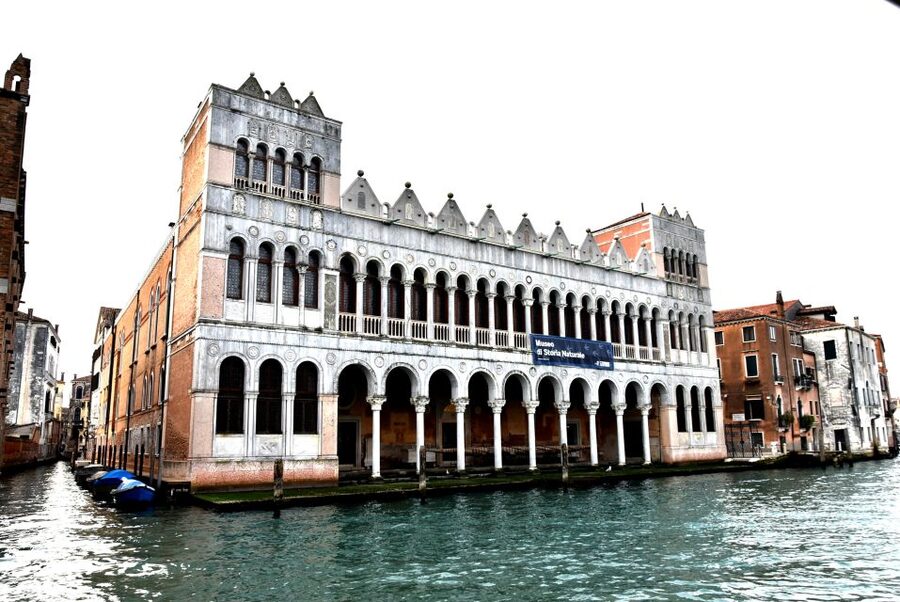
Venice has a rare calm museum moment. The Natural History Museum sits in a 13th-century palazzo right on the Grand Canal, so you get both serious exhibits and an instant photo stop. I especially love the dinosaur and prehistoric crocodile rooms upstairs, but it is worth knowing there is plenty of taxidermy, which can be a little intense for very young kids.
What makes this ticket feel like good value is the scope. You are looking at a collection of about 2 million historical objects, plus the Ouranosaurus skeleton over 7 meters long and the skull of Sarchosuchus imperator. My only caution is planning time, because this is one of those museums where you think you will cruise through and then you end up slowing down.
In This Review
- 5 Key Reasons This Venice Museum Works So Well
- A Palazzos on the Grand Canal, and the Photo Stop You Actually Use
- Entering the 13th-Century Natural History Museum
- Upstairs Highlights: Dinosaurs and Prehistoric Crocodiles
- Fossils, Cabinets of Curiosity, and the Rooms Between
- The Natural World Side, Including Taxidermy
- The Museum Library, Books, and a Different Kind of Wonder
- Practical Timing in Venice: When to Go and How Much to See
- Opening hours you should plan around
- Price and Value: Is $11 Worth It?
- Language, Audio, and How to Get More From the Exhibits
- Comfort Extras: Lockers, Shop, and Staff Help
- Does This Ticket Fit You? (Quick Match Guide)
- Should You Book This Natural History Museum Ticket?
- FAQ
- Where is the Natural History Museum in Venice?
- How much does the museum entry ticket cost?
- How long is the ticket valid?
- What is included with this experience?
- Is a guide included?
- Is the museum open every day?
- What are the opening hours and last admission?
- Are there free admission options?
- Do I need to pay an Access Fee to enter Venice?
- Is the museum wheelchair accessible?
5 Key Reasons This Venice Museum Works So Well
- Grand Canal palazzo setting: You get museum time plus waterfront atmosphere in one stop.
- Paleontology is the star: Fossils and prehistoric life feel modern and well presented.
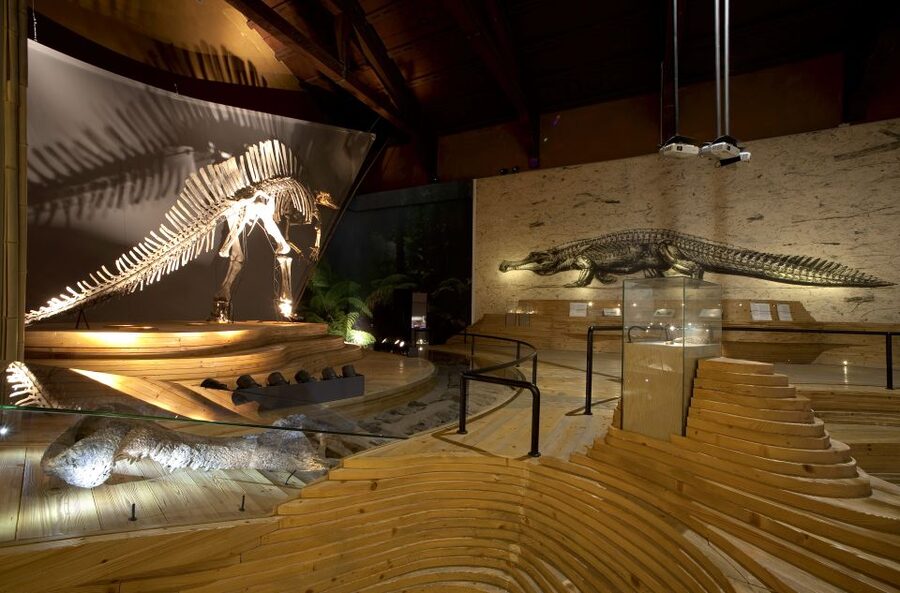
- Dinosaurs with real wow power: Ouranosaurus (over 7 meters) and the Sarchosuchus skull are major draws.
- Family friendly, even on weather days: It is a solid pick when Venice crowds and heat make strolling unpleasant.
- A library you can actually visit: The museum includes a room with 40,000+ books, which adds a different kind of texture.
A Palazzos on the Grand Canal, and the Photo Stop You Actually Use
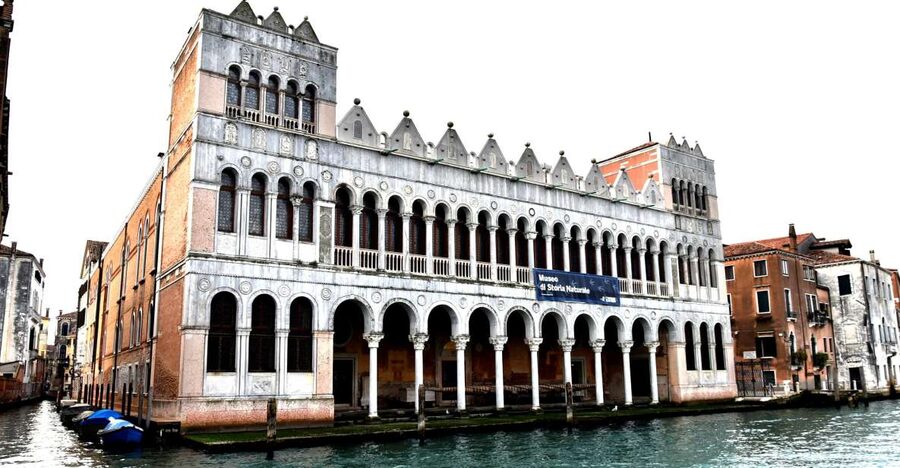
The museum is located on the edge of Venice’s Grand Canal, and that location matters more than you might expect. Even before you buy into the exhibits, you are in one of the best backdrops in the city for lingering and getting oriented.
The building itself is a big part of the experience. Expect a 13th-century palazzo feel, and plan on taking at least a few photos as you approach and at the surrounding canal-facing areas. One review also highlights the idea that you get good views of the Grand Canal from inside, so this is not just an exterior look.
Our reviewers also walked through other history tours in Venice.
- Venice’s Best: Basilica, Doge’s Palace, Gondola & History Gallery
★ 4.5 · 2,478 reviews - Venice: City Center Historical Guided Walking Tour
★ 4.2 · 1,873 reviews - Venice: Bell Tower & St Mark’s Square History Gallery Ticket
★ 4.3 · 910 reviews - Basilica, Doge’s Palace, History Gallery & Bell Tower Option
★ 5.0 · 586 reviews
Entering the 13th-Century Natural History Museum
Once you step inside, you immediately feel like you are in a museum that takes its time. The layout is organized into rooms that group specimens and collections by theme, not just random displays stacked side by side. That makes it easier to aim your walk, especially if you are visiting with kids or you have limited time between other Venice sights.
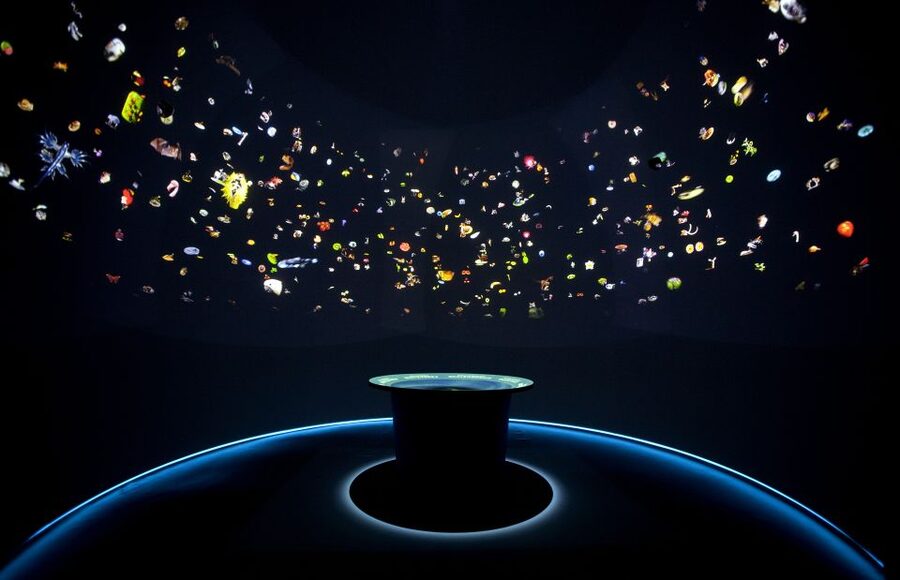
The museum’s biggest strength is how broad it is. You are not only seeing fossils, but also zoological specimens and ethnographic collections, plus large-scale historical objects tied to natural history and evolution. You can move quickly if you want the highlights, but the rooms reward slow walking because the collections are designed to make you look closely.
If you are sensitive to smells and old-school interiors, keep in mind this is a traditional natural history museum building. Some visitors note taxidermy as a factor, and it is there in a noticeable way. If you are traveling with small children, I would treat it like a heads-up rather than a deal-breaker.
Upstairs Highlights: Dinosaurs and Prehistoric Crocodiles
This is the part that pulls people in. Upstairs is where you will find the most popular attraction: dinosaurs and prehistoric crocodiles. The collection is presented in a way that makes the fossils feel tangible, not like distant facts from a textbook.
Two displays are the headline acts. First is the Ouranosaurus nigeriensis skeleton, more than 7 meters long, which gives you a real sense of scale. Second is the Sarchosuchus imperator skull, discovered in Africa, which turns prehistoric crocodile history from a name into something you can stare at.
If you like paleontology, you will probably feel like the museum gives you a focused hit up front. One review describes the paleontology section as very well presented and modern, and then it transitions into more traditional natural history rooms as you keep walking. That mix is part of the charm, and it helps the museum feel like a living collection rather than a single-style exhibit.
Fossils, Cabinets of Curiosity, and the Rooms Between
Not every room is the same, and that is a good thing. You will likely see a combination of modern-feeling displays in some areas and more classic natural history rooms in others. That can affect your pace, because you may want to spend more time in the fossil-heavy zones and skim certain sections if you are pressed for time.
One area that stands out is a cabinet of curiosity-style room mentioned in reviews. That kind of space tends to work well for families because it invites you to slow down and look at details, not just read one placard and move on.
A review also calls out a poignant whale-related display showing the challenges whales face, paired with a whale skeleton that helps you understand scale. Even if you are not a science-focused traveler, that kind of connection between specimen and story tends to land better than you expect.
The Natural World Side, Including Taxidermy
A classic natural history museum often comes with taxidermy, and this one is no exception. For some visitors it is part of the authenticity, for others it can be a bit unsettling, especially for toddlers. If you are bringing kids, I suggest treating it as a “heads up and go at your pace” situation.
The advantage is that the natural world displays help complete the puzzle of evolution and adaptation. You see life represented in multiple ways across time, which makes the fossils feel less like isolated objects and more like chapters in a longer story.
If your focus is strictly dinosaurs, you still benefit from sampling a few wildlife and specimen rooms. It breaks up the fossil intensity and gives you a wider context for why museums like this matter.
The Museum Library, Books, and a Different Kind of Wonder
One of the quieter surprises is the museum’s library. You can step into a space connected to over 40,000 books, which gives the visit a different emotional tone than just big bones and fossils.
What you get from this is a reminder that museums are not only for viewing. They are also for collecting, organizing, and preserving knowledge. That makes the library area feel like a pause in your walking rhythm, which is especially helpful if you are visiting on a hot day or with kids who need downtime.
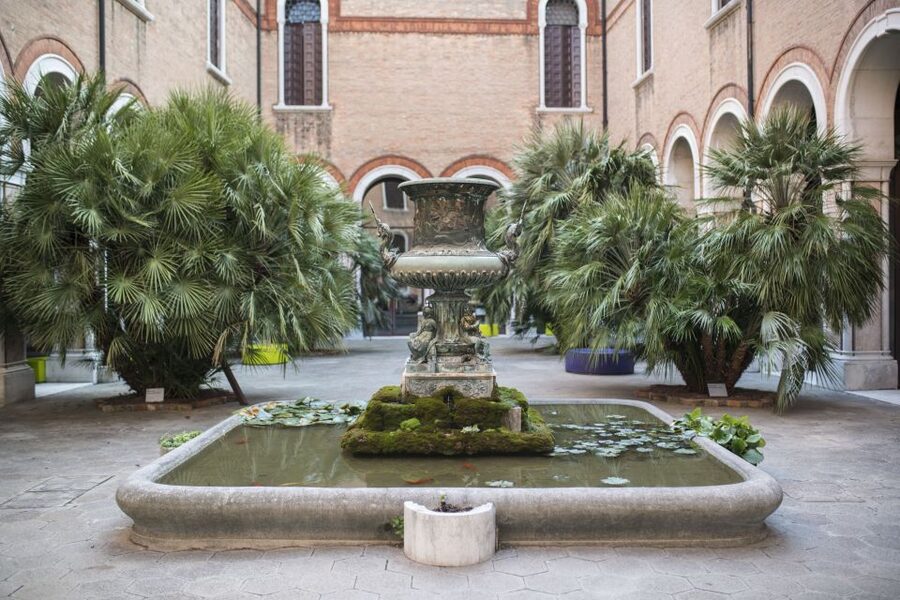
There is also a pleasant atmosphere in the museum’s quieter spaces mentioned in reviews, including calm garden or courtyard feelings. If you need a reset, these small breathing spots can make the full visit more comfortable.
Kept in the same folder as this one, museum visits in Venice.






Practical Timing in Venice: When to Go and How Much to See
This is a “do it your way” kind of visit because your ticket covers admission. Reviews suggest a quick plan of about 40 to 60 minutes is possible, especially if you go straight for the dinosaur rooms and the major fossil displays. At the same time, I would not be surprised if you end up staying longer because the museum layout encourages wandering and re-reading labels.
If you want the best balance, I’d treat it like a 1.5 hour to 2 hour visit for adults, and maybe 2 hours with kids depending on how many rooms you stop in. The upstairs highlights are the easiest anchor, and then you can build outward into other rooms without feeling lost.
Timing also matters because Venice crowds can be loud, and this museum offers a break from street congestion. One review specifically notes it is quiet even on a rainy day, which is exactly the kind of day when indoor sightseeing feels worth it.
Opening hours you should plan around
The museum is closed on Monday. For the rest of the week, opening times change by season: until May 31 it runs 9:00 AM to 5:00 PM with last admission at 4:00 PM, and from June 1 it runs 10:00 AM to 6:00 PM with last admission at 5:00 PM. If you are arriving late in the day, aim to be inside with plenty of buffer, because last admission is real.
Price and Value: Is $11 Worth It?
At about $11 per person, this ticket is priced like an easy win for Venice. The key value is that you are paying for more than one famous display. You also get the building experience, a large museum collection running into the millions of objects, and a visit that works across ages.
Here is why it feels like good value in practical terms:
- You can see major highlights like Ouranosaurus and the Sarchosuchus skull without needing a separate tour.
- The collection is broad enough that adults get variety, and kids get enough wow moments to stay interested.
- It is a strong option on hot or rainy days, which can save you from spending precious time stuck outside.
Also, there are free admission categories. Venetian citizens, residents, children under 5, and disabled people get free entry. So if you fall into one of these groups, the value gets even better.
The one thing to keep in mind is that the museum is mostly self-paced. That means your enjoyment depends on how much you like reading labels and moving through themed rooms.
Language, Audio, and How to Get More From the Exhibits
The museum experience is self guided, and language can affect how quickly you connect with each room. Some visitors note they would have liked information in English, and others point out that translation helped.
There are a couple ways to improve your odds of enjoying the details:
- If you see a voice guide option mentioned in reviews, there is an English option cited at $10. That can turn a quick visit into a much richer one, especially in fossil rooms where the interpretation matters.
- If you are relying on a phone translation app, pace yourself. In a museum this size, trying to translate every sign can slow you down fast, so pick what you want most.
One review also notes a free download feature, but says it did not explain every exhibit in depth, focusing more on the explorer side. In other words, do not count on supplemental text alone to replace on-site reading.
Comfort Extras: Lockers, Shop, and Staff Help
Small practical touches can make or break a museum day, and here they help. Reviews mention you can store your backpack in a locker, which makes moving around more comfortable. There is also a shop, and one review calls it a particularly good option for children.
Staff get positive mentions too, including friendly help and helpful guidance. You should expect the usual museum amenities like toilets, and that matters when you are combining a museum visit with walking Venice streets before or after.
Does This Ticket Fit You? (Quick Match Guide)
This Natural History Museum ticket is a great match if you:
- Want a break from the busiest Venice streets
- Like fossils and especially dinosaur scale displays
- Travel with families, since kids can enjoy the wow factor without needing a formal tour
It may be less ideal if you:
- Are strongly uncomfortable with taxidermy
- Want lots of guided interpretation in English, since the format is self-paced and some info may not be fully in your language
Even if you are not a science super fan, the whale-related emotional display and the library room offer different entry points into the museum experience.
Should You Book This Natural History Museum Ticket?
Yes, I would book it, especially for the price. For around $11, you get a high-impact mix: a canal-side palazzo, serious fossil highlights, and enough variety that adults and kids can each find their own favorite rooms.
My best advice is simple: plan for the dinosaur rooms upstairs, then give yourself time to wander into the natural history and curiosity-style areas. If you want more context, look for an English voice guide option mentioned in reviews, and build in extra time if you tend to read closely. And if you are traveling with very young kids, go in with the expectation that taxidermy displays are part of the museum experience, so you can steer the day at their pace.
FAQ
Where is the Natural History Museum in Venice?
It is on the edge of the Grand Canal in Venice. Go to the main entrance and show your ticket on arrival.
How much does the museum entry ticket cost?
The price is $11 per person.
How long is the ticket valid?
The ticket is valid for 1 day.
What is included with this experience?
Admission to the Natural History Museum is included.
Is a guide included?
No. A guide is not included.
Is the museum open every day?
No. The museum is closed on Monday.
What are the opening hours and last admission?
Until May 31 it is open 9:00 AM to 5:00 PM, with last admission at 4:00 PM. From June 1 it is open 10:00 AM to 6:00 PM, with last admission at 5:00 PM.
Are there free admission options?
Yes. Venetian citizens, residents, children under 5 years old, and disabled people get free admission.
Do I need to pay an Access Fee to enter Venice?
On certain days between April 18, 2025 and July 27, 2025, an Access Fee is required for every visitor to Venice, with specific exemptions. Check cda.ve.it for dates, payment methods, and exemption details.
Is the museum wheelchair accessible?
Yes. The museum is wheelchair accessible.
Museum Visits in Venice That Made the Same Shortlist


The Rest of Our History Tours in Venice


Not quite the day you had in mind? The rest of our Venice write-ups sit below
- Venice: Traveling Opera in a Historic Palace on Grand Canal
- Luxury Tour of Murano & Burano by Private Boat and Guide★ 5.0 · 167 reviews
- Da Vinci Interactive Museum Venice Scuola di San Rocco★ 4.0 · 168 reviews
- Venice Gondola Experience★ 3.5 · 169 reviews
- Venice: Religion Walking Tour with Doge’s Palace Tickets★ 4.6 · 171 reviews
- Venice: Doge’s Palace Guided Tour With Tickets & Optional Gondola★ 4.5 · 172 reviews
- Lords of the Night Prisons Palace: Cells & Torture Tools Visit★ 4.0 · 177 reviews
- Venice: Private Grand Canal Gondola Ride from Rialto★ 4.1 · 178 reviews
- Venice: St. Mark’s Basilica Tour with Doge’s Palace Option★ 4.2 · 178 reviews
Historical Tours, top to bottom.
 ★ 3.9Venice: St. Mark Basilica Ticket, Audioguide+History GalleryFrom $234,780 reviews
 ★ 4.5Venice’s Best: Basilica, Doge’s Palace, Gondola & History GalleryFrom $1292,478 reviews
 ★ 4.5Historic Milan Tour with Skip-the-Line Last Supper TicketFrom $1111,976 reviews
 ★ 4.2Venice: City Center Historical Guided Walking TourFrom $141,873 reviews
 ★ 5.0Verona: History and Hidden Gems Guided Walking TourFrom $411,379 reviews
 ★ 4.9Palermo: Street Food and History Walking TourFrom $541,294 reviews
 ★ 4.5Rome in a Day Tour with Vatican, Colosseum and Historic CenterFrom $1921,042 reviews
 ★ 5.0Rome Food Tour in the Historic Centre with 8+ Food TastingsFrom $1181,000 reviews
Filed under