
Reviewed · VERONA & VALPOLICELLA
Verona: History and Hidden Gems Guided Walking Tour
A 2-hour walk that makes Verona click. What makes this tour work is the small-group pace and the way guide Fabio Massimo Rapanà connects Roman, medieval, and everyday street details into one easy story. It is a great way to see the main sights like the Arena and Piazza delle Erbe, without getting stuck only in the usual postcard spots.
My only caution is simple: it is still a walking tour, and you will be on your feet for about 2 hours, rain or shine, with breaks that are more “pause and look” than “sit down and rest.”
In This Review
- Key things that make this Verona tour worth your time
- Starting at Piazza Bra, the fast way to orient your first day
- Verona Arena in context, not just a photo stop
- Porta Borsari and the Roman pulse beneath the streets
- Adige River viewpoints: Ponte Scaligero without the effort
- Piazza delle Erbe: why Verona’s market square still matters
- Piazza dei Signori: medieval power in public buildings
- Santa Anastasia and the Scaligero mausoleums, dramatic but grounded
- Juliet’s House and Casa di Romeo: famous stops, better framing
- Beyond the postcard lane: the synagogue and the Convent of Santa Maria della Scala
- Via Dietro Anfiteatro: closing the loop with Roman street logic
- Price and value for a 2-hour small-group walk
- Who this Verona tour suits best
- Should you book it?
- FAQ
- Where is the meeting point for the Verona tour?
- How long is the guided walking tour?
- How big is the group, and are headsets included?
- What sights are covered during the walk?
- Is the tour wheelchair accessible?
- Does the tour run rain or shine?
- What should I bring?
- What’s included in the price, and what’s not?
Key things that make this Verona tour worth your time
- Small group (up to 10) means more room to ask questions and keep the walk human, not chaotic
- Headsets included help you hear the guide clearly in busy squares
- Piazza Bra to the old core gives you a smart first orientation for the whole city
- Multiple short secret stops train your eye for details you would otherwise miss
- Roman to medieval storyline ties landmarks together so they feel meaningful, not random
- Fabio’s local style adds humor and context, and he manages the pace well in real conditions
Starting at Piazza Bra, the fast way to orient your first day
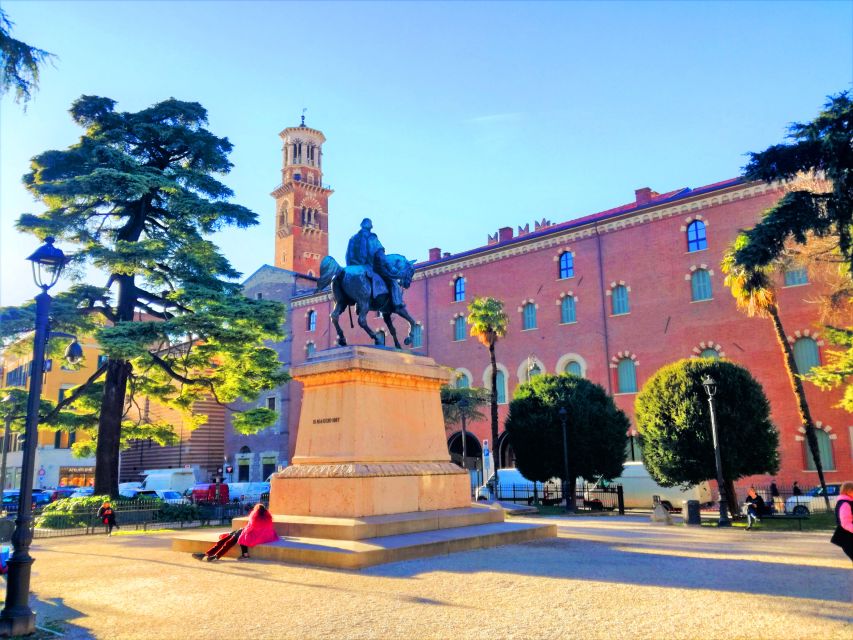
You meet the guide at Palazzo Barbieri, Comune di Verona, standing below the Italian flag in Piazza Bra. That matters more than it sounds. Piazza Bra is the natural launchpad for the historic center, and starting here puts you near both the Verona Arena area and the streets that lead toward the river and the big squares.
From the first minutes, the tour is built like a guided route, not a site-by-site checklist. You move from broad, famous landmarks into tighter corners and older street lines. Several stops are deliberately brief, the kind where you step in, look up, notice a detail, then continue. That pacing is a big part of why this tour feels efficient. You leave with a mental map, plus a reason to care about what you are seeing later.
Bring comfortable shoes and water. The tour runs rain or shine, so plan for weather. And do not treat this as a slow stroll. It is a steady walk with photo stops, pass-bys, and short pauses that add up to real coverage in just two hours.
Other Verona and Valpolicella outings in Verona that earned their own write-up.
- Verona: Hop-on Hop-off Tour 24 or 48-Hour Ticket
★ 4.4 · 2,010 reviews - Verona: History and Hidden Gems Guided Walking Tour
★ 5.0 · 1,379 reviews - Verona: Priority Access Arena Guided Tour
★ 4.6 · 1,152 reviews - Verona: Juliet’s House Fast-Track Entry Ticket & Audio Guide
★ 4.2 · 1,121 reviews
Verona Arena in context, not just a photo stop
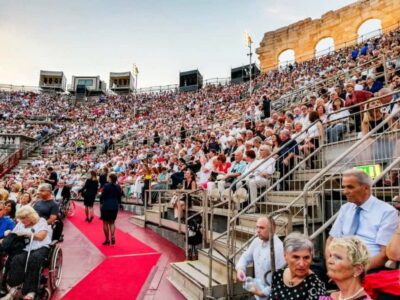
The tour first hits the Verona Arena with a photo stop and a clear explanation of what made this place famous. Even if you know it is a Roman amphitheater, the guide’s approach helps you see it as a functioning stage for gladiator-era spectacle and public life, rather than a lone monument.
In practical terms, this is a smart early stop. By starting at the Arena, you frame the rest of the walk around Verona’s ancient “layer cake.” You are not just walking from one square to another. You are tracing how the city grew, starting from its Roman footprint and then layering new power and new architecture on top.
The Arena area also gives you the best chance to take a clean look before you get pulled into smaller streets. Once you move away from the main open space, the experience becomes about shapes, materials, and street patterns. That makes the Arena stop feel like the anchor that holds the whole story in place.
Porta Borsari and the Roman pulse beneath the streets
After the early-center focus, you follow older street alignments toward the city’s Roman-era traces. One of the clearly highlighted stops is Porta Borsari, with a photo stop and time to look at the monument up close.
This is where the tour shifts from “sights” into “signals.” A Roman gate is not only impressive. It also explains why you are seeing certain street lines where you are seeing them. When the guide points out foundations of earlier city walls and explains their role, the route becomes easier to understand on your own afterward.
You also get scenic breaks along the way, including quick pauses that are designed for your eyes to land on something specific, not just to catch your breath. These short stops work well if you like history that shows up in everyday spaces, right where people still walk and live.
Adige River viewpoints: Ponte Scaligero without the effort
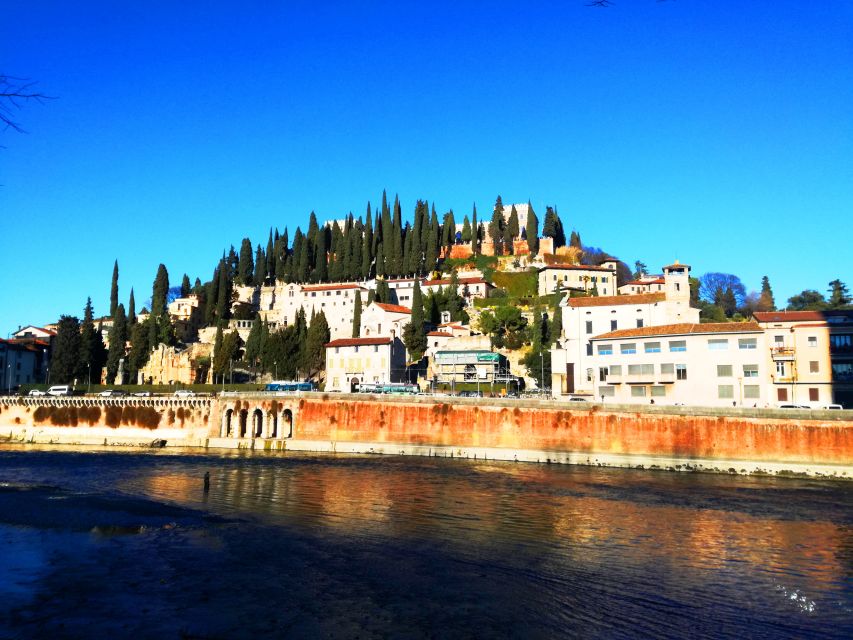
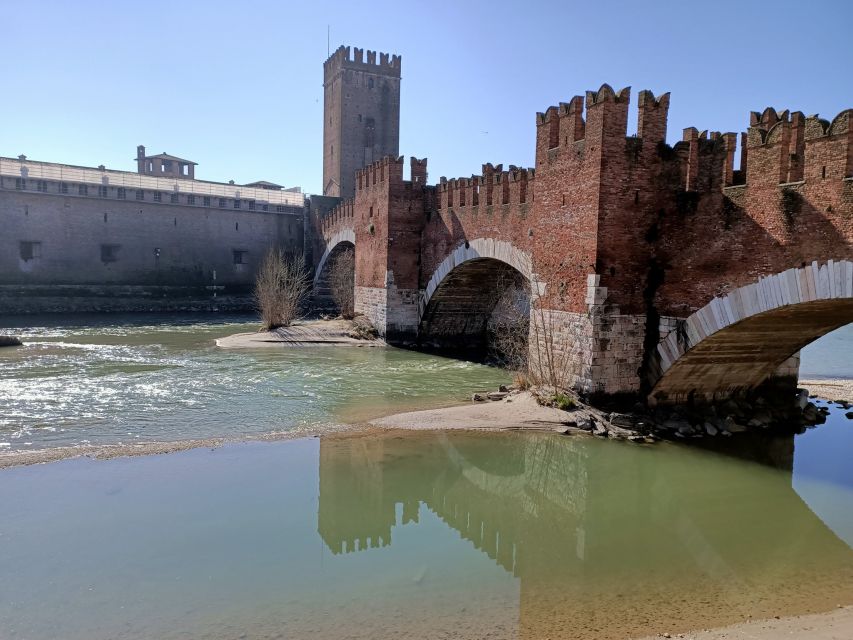
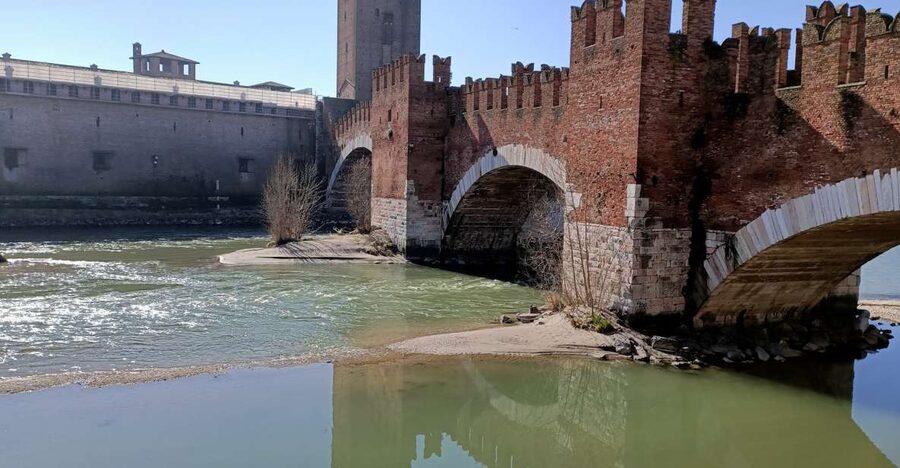
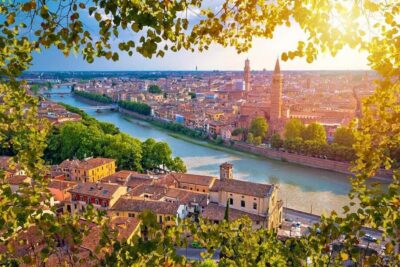
One of the best rewards of this route is the time spent around the Adige River viewpoint area, including Riva San Lorenzo and views toward the Ponte Scaligero. The tour does not linger for hours, but it gives you what you actually need: a chance to see the river as a geographic driver of Verona’s layout, not just a pretty backdrop.
This part of the walk also helps you shift perspective. You will be coming from dense historic streets and then suddenly you get air, open sightlines, and a sense of the city’s scale. When the guide ties this to the city’s story, the views feel earned rather than random.
If you are sensitive to heat, this is one of the areas where you can benefit from the guide’s pace and practical management. Some guides just keep moving no matter what. Here, the walk includes moments that help you stay comfortable, and you are not left guessing where to stand or when to look up.
Piazza delle Erbe: why Verona’s market square still matters
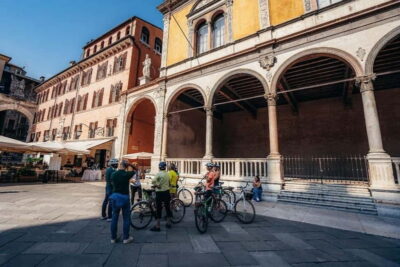
Next, you reach Piazza delle Erbe, one of the most important squares in the city. The tour includes time for photos, plus time to experience the square from multiple angles, including the flow of streets that feed into it.
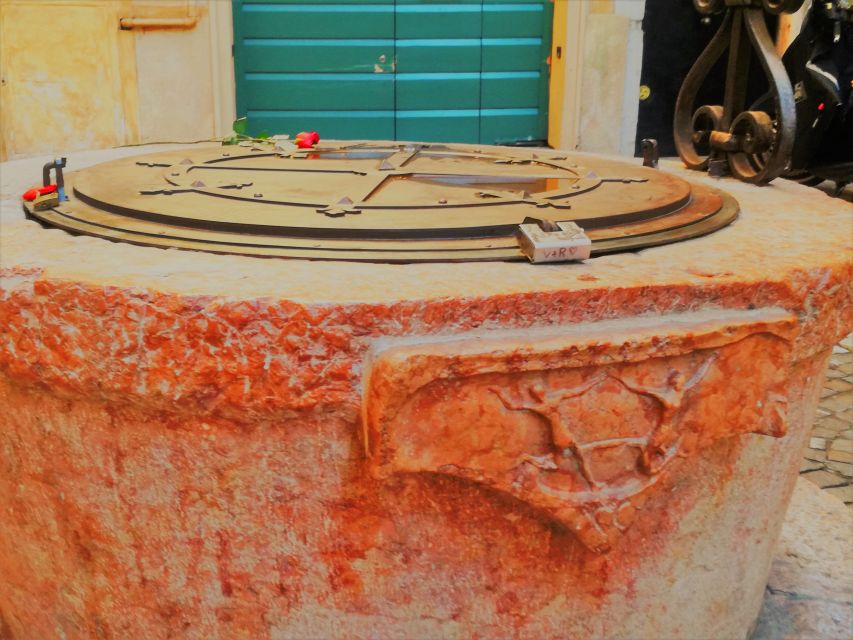
What I like about this stop is that it is not only about postcard architecture. The guide points you toward the oldest fountain in the city and explains how this square functioned as a market and social hub. You start to notice the mix of historic façades and how the square’s geometry supports the daily rhythm of Verona.
If you are planning to eat later in the area, this is a useful stop. You learn where the vibe is most “Verona,” and you get a feel for which lanes pull you in, compared with lanes that just connect you to tourist magnets. After the tour, you can better choose where to linger for a coffee or aperitivo.
Also, it helps that the tour includes scenic views while transitioning into and out of the square. You are not boxed into one angle. Your brain gets more of the city at once.
Piazza dei Signori: medieval power in public buildings
From Piazza delle Erbe, the walk goes to Piazza dei Signori, another key square. Here, you see several important public buildings, including Palazzo della Ragione, Palazzo Della Scala, and Palazzo del Capitano. This is where the medieval story sharpens.
The big value is that the guide helps you read the square like a map of authority. Verona did not only build monuments for visitors. It structured public life around buildings that signaled who had power, who administered justice, and how civic decisions were made. Even if you are not a history nerd, you will feel the difference once you know what you are looking at.
The tour also points out the highest tower in the city, along with explanations of how medieval era life shaped the built environment. That is a lot to fit into a square setting, but the pacing works. You get just enough time at each landmark to understand why it exists, not only what it looks like.




Santa Anastasia and the Scaligero mausoleums, dramatic but grounded
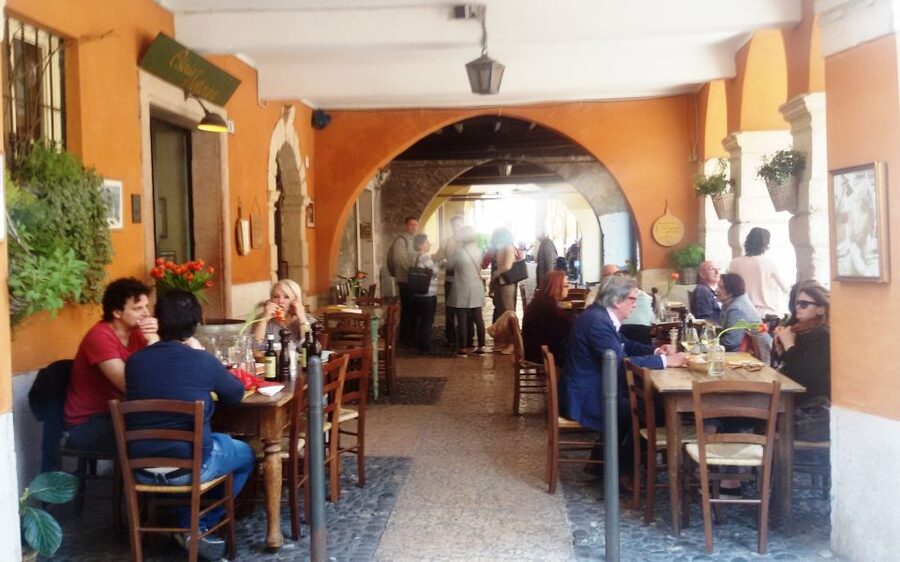
As the walk continues, you hit major church and memorial sites, including Basilica di Santa Anastasia. The stop here is a photo moment, but it is still meaningful. Churches in Verona are not isolated decorations. They represent religious power, local patronage, and long-term architectural ambition across centuries.
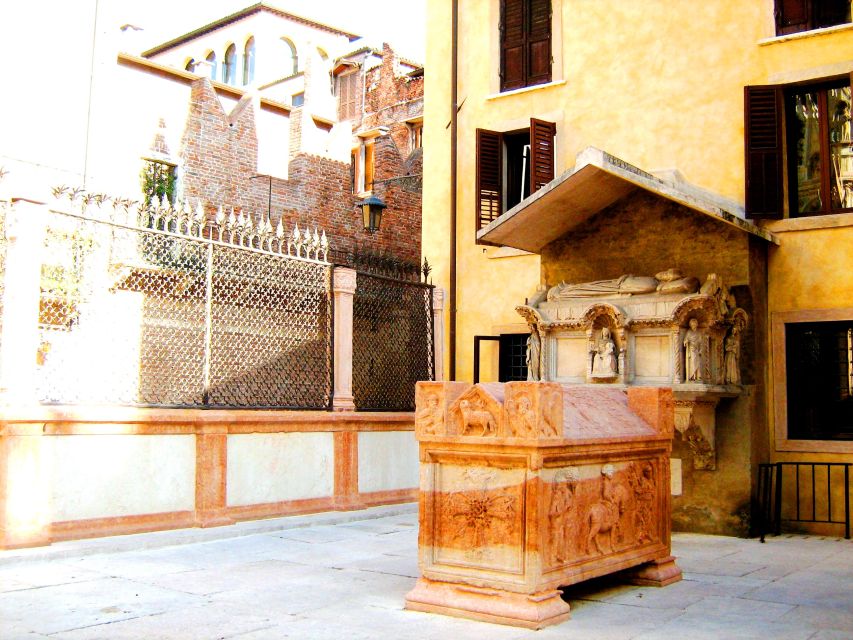
From there, you also pass by the Arche Scaligere mausoleums, tied to the ruling Scaligero family. The guide’s explanation helps you understand why these monuments dominate the story of Verona’s medieval identity. These are not just tombs. They are political statements in stone.
On the route, you also get movement toward the Romeo and Juliet area, but the tour approach keeps it historical and architectural rather than just celebrity-themed. You get a brief orientation to what inspired later storytelling, without treating the famous names as the only reason to care.
Juliet’s House and Casa di Romeo: famous stops, better framing
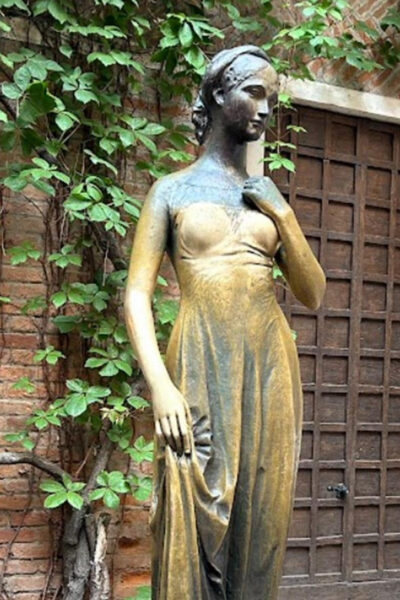
Yes, you will see the Juliet’s House area, and you also pass by Casa di Romeo during the walk. The key is how the guide frames it. Instead of presenting it like a theme park, the tour places the Shakespearean connection in context, helping you link literature to Verona’s medieval setting and the city’s cultural memory.
This matters if you care about authenticity. The balcony gets attention for a reason, but if you treat it like the whole story, you will miss what makes Verona feel different. What this tour does well is keep famous stops from becoming the only focus.
You also pass by Piazzetta Bra Molinari and other smaller spaces that look minor until someone points out what they reveal about city layout and design. The effect is that even the “big tourist” portion of the tour starts to feel like part of a wider walk, not a detour.
Beyond the postcard lane: the synagogue and the Convent of Santa Maria della Scala
One of the more interesting parts of the experience is how it widens the lens beyond the usual Verona themes. You see Sinagoga di Verona on the route, plus a stop connected to the Convent of Saint Mary ’della Scala’ of the Servants of Mary.
These additions help Verona feel less like a museum stop and more like a lived city with multiple cultural and religious threads. Even though the stops are photo or pass-by moments, they still give you a sense of the city’s broader identity. If you have only seen Verona through its most famous storylines, this is the section that refreshes your view.
It is also a reminder that old cities rarely “stick” to one narrative. Verona is layered, and this route shows that layering in a way that does not require you to buy a pile of tickets or commit to a full day of separate museum visits.
Via Dietro Anfiteatro: closing the loop with Roman street logic
Near the end, you move through the area around Via Dietro Anfiteatro and come back toward Palazzo Barbieri, Comune di Verona in Piazza Bra. This finishing loop is not just return logistics. It reinforces the Roman-to-medieval logic you built earlier.
By the time you are near the end, you will likely start noticing the same theme again and again: how streets curve, where buildings front outward, and how open squares act like social rooms for the city. The guide’s route optimization for storytelling helps you connect the dots quickly.
If you want the best next step after the tour, use what you learned to choose where to wander on your own. You now know which streets feel “old core” and which squares deserve extra time. That makes your remaining day more satisfying, not just longer.
Price and value for a 2-hour small-group walk
At $41 per person for about 2 hours, this tour is priced like a smart add-on for first-time visitors. What justifies the cost is not only the guide and route, but the small group size (up to 10 participants) and the inclusion of headsets.
Headsets sound like a small detail until you are standing in a noisy square trying to hear a guide. Here, the headsets make the experience far easier, especially at major landmarks where foot traffic and street noise can make spoken history hard to catch.
Also, the route includes major city highlights like the Arena and Piazza delle Erbe, plus extra context and multiple short stops that keep you from feeling like you are just moving past things. Entries are not included, so if there are specific monuments you want to go inside, plan separate time.
Overall, for the mix of famous sights, lesser-known corners, and the guide’s storytelling style, it is good value. You are buying interpretation, not just access.
Who this Verona tour suits best
This experience fits you if you:
- want a fast orientation walk through Verona’s historic center
- like architecture and city history tied to real places, not generic facts
- prefer a small group with room for questions
- would appreciate headsets, especially in busy areas
- want your first Verona day to feel connected, not scattered
If you are looking for a quiet nature-style walk, this will feel more urban and structured. And if you hate walking in general, you will likely find the 2-hour pace a lot.
Should you book it?
If it is your first time in Verona, or if you only have a short window, I would book this. The biggest reason is that it gives you a Verona “reading lens.” You stop seeing landmarks as separate stops and start seeing Verona as one long timeline you can walk through.
I would also book it if you care about hearing the guide clearly. Many tours rely on shouting over crowds. This one includes headsets, and that turns history talk into something you can actually enjoy.
Skip it only if you want a self-guided, zero-structure stroll, or if you are unwilling to walk for two hours in real street conditions.
FAQ
Where is the meeting point for the Verona tour?
You meet your guide below the Italian flag at the Town Hall in Piazza Bra (Palazzo Barbieri, Comune di Verona).
How long is the guided walking tour?
The tour lasts 2 hours.
How big is the group, and are headsets included?
The group is up to 10 participants, and headsets are included.
What sights are covered during the walk?
You’ll see major highlights such as the Verona Arena, Piazza delle Erbe, Piazza dei Signori, Basilica di Santa Anastasia, Juliet’s House, and you’ll also pass by places like Arche Scaligere, Sinagoga di Verona, and the Convent of Saint Mary ’della Scala’.
Is the tour wheelchair accessible?
Yes, the tour is listed as wheelchair accessible.
Does the tour run rain or shine?
Yes, the tour takes place rain or shine.
What should I bring?
Bring comfortable shoes and water.
What’s included in the price, and what’s not?
Included are the professional licensed guide, small group, headsets, and the optimized route for storytelling. Not included are transport, food and drinks, and entries.
Our Wider Tours File for Verona
Beside This One, Verona and Valpolicella Outings in Verona
Not quite the day you had in mind? The rest of our Verona write-ups sit below
- Verona: Highlights and Hidden Gems Walking Tour★ 4.7 · 179 reviews
- Verona Full Meal & Wine Tasting Walking Tour by Do Eat Better★ 5.0 · 197 reviews
- Verona: Highlights Walking Tour with Arena Priority Access★ 4.8 · 201 reviews
- Verona Arena Skip-the-line Tour★ 4.5 · 208 reviews
- Guided Food Tour with Wine Tasting in Verona★ 4.3 · 229 reviews
- Verona: Food and Wine Tasting Walking Tour★ 4.9 · 238 reviews
- Wine Tasting with Panoramic View of Verona★ 5.0 · 240 reviews
- City Sightseeing Verona Hop-On Hop-Off Bus Tour★ 4.0 · 247 reviews
- Verona: City Walking Tour with Cable Car & Wine Aperitif★ 4.8 · 267 reviews
Verona & Valpolicella, top to bottom.
 ★ 4.4Verona: Hop-on Hop-off Tour 24 or 48-Hour TicketFrom $292,010 reviews
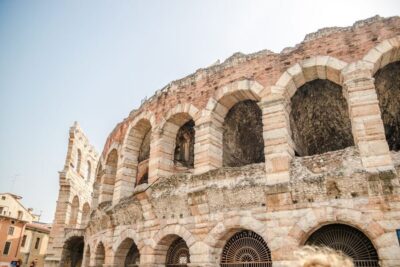 ★ 4.6Verona: Priority Access Arena Guided TourFrom $411,152 reviews
 ★ 4.2Verona: Juliet’s House Fast-Track Entry Ticket & Audio GuideFrom $281,121 reviews
 ★ 4.9Verona: Small Group Guided Walking Tour with Arena TicketsFrom $81848 reviews
 ★ 4.6Verona: Arena di Verona Opera TicketFrom $55721 reviews
 ★ 4.9Verona: Classic and Hidden Gems Bike TourFrom $33577 reviews
 ★ 5.0Verona: Pasta and Tiramisu Cooking Class With Free Flowing WineFrom $71575 reviews
 ★ 4.9From Verona: Valpolicella and Amarone Wine Tasting TourFrom $112560 reviews