
Reviewed · VERONA & VALPOLICELLA
Verona: Priority Access Arena Guided Tour
Verona’s Arena hits you fast. This priority access guided tour cuts the wait and turns the amphitheater into a story you can actually follow, with a licensed guide speaking English or Italian. I like how the visit is short but well paced, and I also love the focus on what you’re looking at, not just dates. One thing to consider, though, is that this is a compact experience, and the venue is not set up for wheelchair users and may be tough for some reduced-mobility visitors.
You get skip-the-line entry through a separate entrance, then a guide points out the details you’d likely miss while wandering on your own. I also like that it runs rain or shine, so you can plan without obsessing over the weather. The tour can include some stairs and uneven surfaces inside, so it’s smart to keep your comfort level in mind.
If you’re heading to an opera at the Arena, this kind of “before you go” tour is a big help. Guides including Frank, Franco, Isabella, and Francesco are repeatedly praised for making the history clear and fun, with lots of room for questions.
In This Review
- Key highlights worth your time
- Priority entry through a separate entrance, what it really means
- Piazza Bra first: the pink façade and the stories you’ll hear
- Inside the amphitheater: construction details that make the Arena feel real
- Gladiators, the Roman Republic, and what to focus on
- The Arena still hosts opera, so timing can change your visit
- How long is 45 minutes, and what you might do next
- Price and value: why $41 can make sense here
- Who this tour is best for (and who should skip it)
- Practical tips for a smoother, better visit
- Should you book this Verona Arena priority access tour?
Key highlights worth your time
- Skip-the-line entry into one of Verona’s biggest draws, using a separate entrance
- Licensed guide in English or Italian for a guided walk-through, not a silent headset
- UNESCO World Heritage Site with explanations focused on the structure and its use over time
- Gladiator-era stories and Roman architecture tied directly to what you can see
- Active concert venue today, where opera still takes place in the same space
- Families can handle it, since the tour length is only 45 minutes
Priority entry through a separate entrance, what it really means
The Verona Arena is popular for a reason, and that means lines can eat up your day. The big practical win here is the skip-the-line ticket tied to a live, licensed guide. You’re not just buying convenience, you’re also buying a smoother start and better use of that first moment inside the monument.
Meeting point details can vary by the option you book, so I suggest arriving a few minutes early and having your confirmation ready. If you’re the type who likes to know exactly where to go, double-check the meeting instructions before you set off for Piazza Bra, since people have flagged that the meeting point could be clearer.
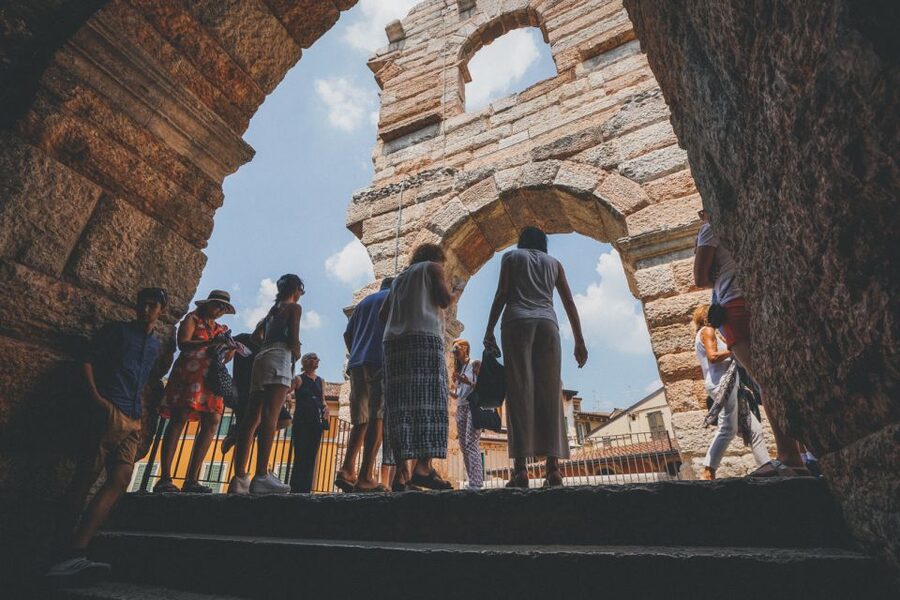
Once the group is together, you’ll use the separate entrance to get in faster than the standard flow. From there, you’re not walking blind. The guide is already framing what you’re about to see, which matters because the Arena can look “just like an old building” until someone explains how it worked.
Other Verona and Valpolicella outings in Verona that earned their own write-up.
- Verona: Hop-on Hop-off Tour 24 or 48-Hour Ticket
★ 4.4 · 2,010 reviews - Verona: History and Hidden Gems Guided Walking Tour
★ 5.0 · 1,379 reviews - Verona: Priority Access Arena Guided Tour
★ 4.6 · 1,152 reviews - Verona: Juliet’s House Fast-Track Entry Ticket & Audio Guide
★ 4.2 · 1,121 reviews
Piazza Bra first: the pink façade and the stories you’ll hear
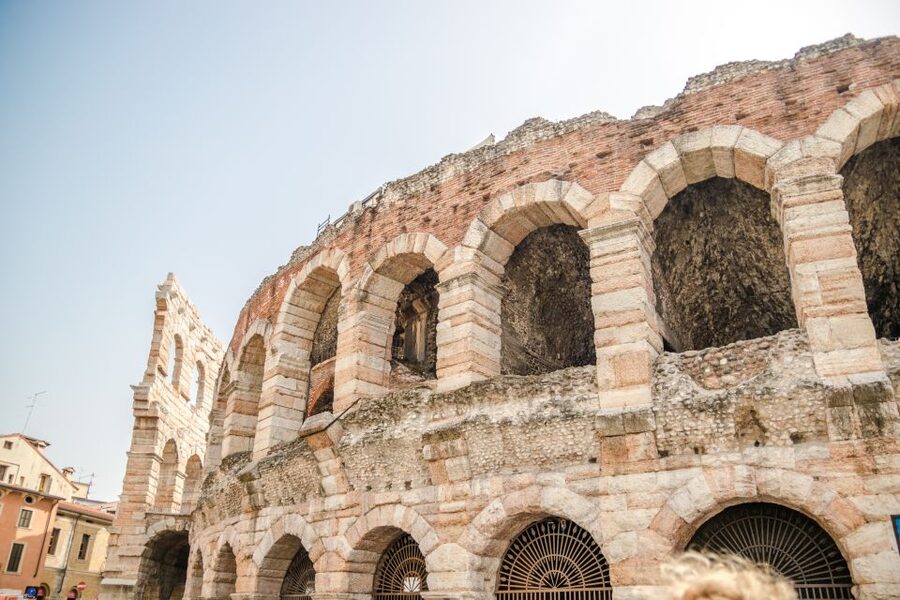
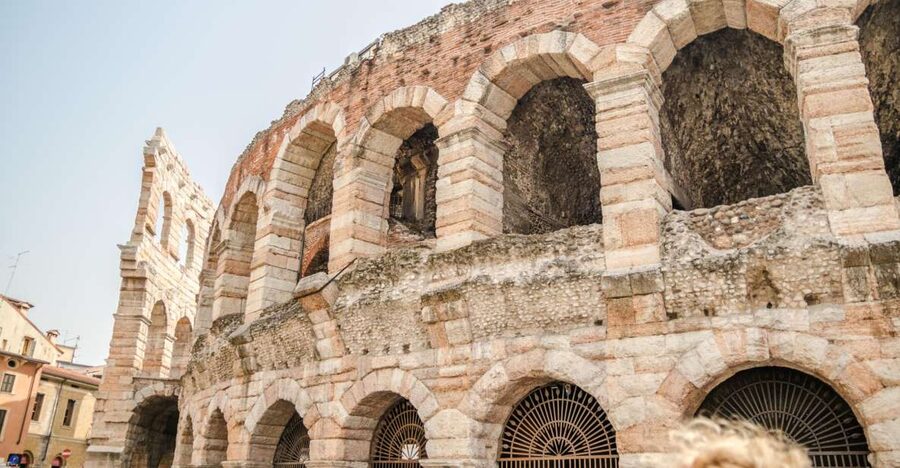
Before you even get fully inside, the tour starts with the iconic visual that makes the Arena instantly recognizable: the pink marble façade on Piazza Bra. That step matters more than it sounds. A lot of visitors miss the first layer, because they rush straight into the interior looking for the biggest view.
This tour encourages you to look beyond the façade and listen to the guide’s explanation. You’ll get context about the Arena as an ancient amphitheater, built in the 1st century AD, and how its surviving structure carried through major events like an earthquake in the 12th century. That survival story becomes easier to understand when someone points out what to look for in the stonework.
You’ll also hear about the Roman world tied to the space, including the gladiator fights of the Roman Empire. The key is that the guide connects the entertainment you’ve probably heard about in passing to the architecture around it, so it stops feeling abstract.
If you like history that’s grounded in what’s in front of you, this outdoor intro sets you up for a better visit when you step into the amphitheater bowl.
Inside the amphitheater: construction details that make the Arena feel real
Once you’re inside, the tour shifts from visuals to structure. The best-preserved feel of the site is part of what makes the Arena so special, but it also means there’s a lot to notice if someone tells you what those details are saying.
In about 45 minutes, you should expect a guided walk that keeps returning to the same theme: how the Arena was built to stage events and how people used the space for centuries. The guide highlights elements of the construction that many visitors overlook, including small facts that are essentially hidden in plain sight.
Guides named in participants’ notes, such as Frank and Franco, are repeatedly praised for being both engaging and funny. That matters because the Arena isn’t a museum you read at your own pace. It’s a working stage and an archaeological site at the same time. Humor and clear explanations help you track the shifts from gladiator spectacle to opera house.
Also, since the tour is short, the guide keeps you moving. You’re not stuck for an hour with just standing around. You do get enough explanation to make the Arena stop being a photo backdrop and start being a place with logic.
Gladiators, the Roman Republic, and what to focus on

One of the tour’s strengths is how it frames the amphitheater’s entertainment. You’ll hear about gladiator fights and about the broader Roman mindset tied to public spectacle.
This is where a live guide can help most. Self-guided visits often focus on what the building is, but the guide brings in why it was built that way. For example, you’re not just looking at seating tiers, you’re learning how people gathered and how the space would have worked for shows.
You’ll also get the kind of background that makes details feel purposeful, like how the Arena’s design supported crowd movement and visibility. Some guides are especially good at turning these mechanics into stories you can remember. Notes also mention one guide giving a strong overview before you entered, so you know what you’re looking for even if you’re not a hardcore Roman-history fan.
If you’re visiting with teens, this focus helps because it keeps the pacing lively while still being grounded in real historical context.
The Arena still hosts opera, so timing can change your visit
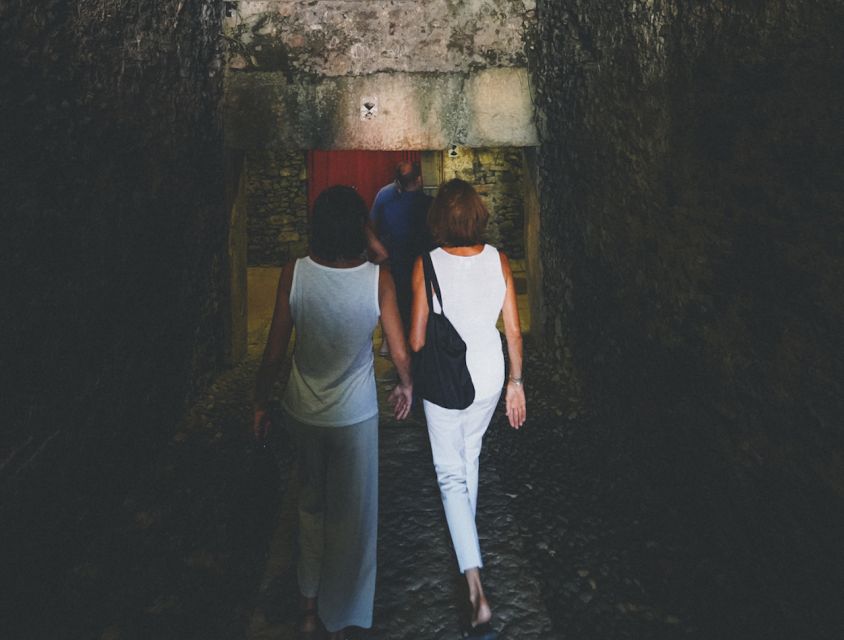
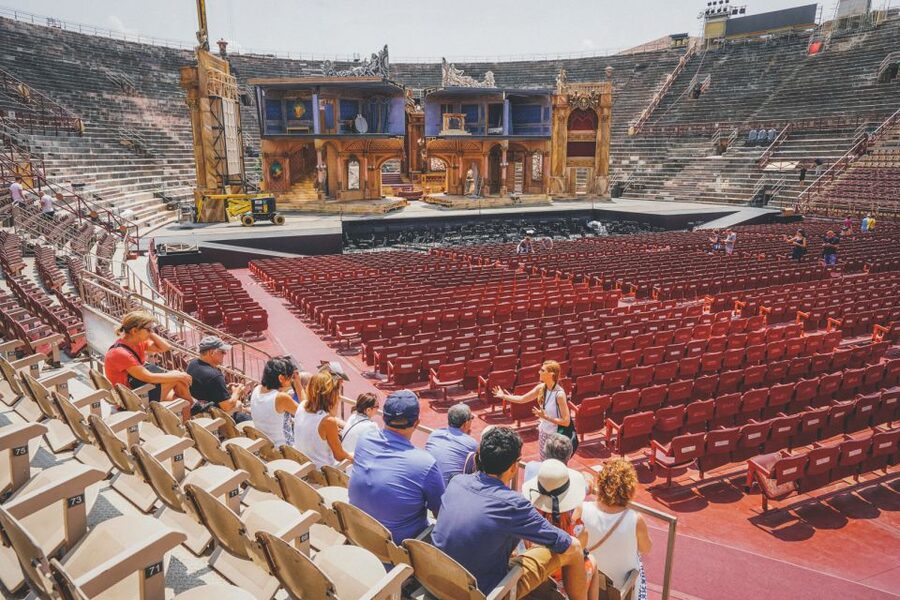
The Verona Arena is not frozen in time. It is still an active concert venue, and opera performances are a major part of its modern identity. This tour helps you understand why that matters by linking today’s stage use to the ancient space you’re standing in.
There’s a practical season detail to keep in mind. In notes from recent visits, people point out that between June and October, the Arena is transformed into a music venue with stage setup visible. If you want to see it closer to its more natural look, plan for November to May when stage elements are gone.
That doesn’t mean the tour is worse in summer. It just means your “first impression” might include modern staging rather than only ancient stone. Either way, the guide’s explanations should help you see the continuity, not just the contrast.
How long is 45 minutes, and what you might do next

This is a 45-minute guided tour, so you’re buying a focused burst rather than a slow, deep wander. That can be a plus. You get the big ideas quickly, then you can explore on your own afterward with a clearer sense of what everything means.
The order is designed to avoid long waiting, and the separate entrance helps you get your time inside the Arena without the usual drain. Some guides also leave you inside for a bit of extra time to look around and, in some cases, head toward higher areas for views and atmosphere.
I’d treat that as flexible. The sure thing is the guided portion, with stories and explanations during your time in and around the amphitheater.
After the tour, you can do what the Arena begs you to do: take in the scale, locate where the performance would happen, and revisit the façade you saw at the start with new eyes. If you’re planning to attend an opera that same day, this timing can make the evening feel more vivid because you’ll recognize the space.
We wrote up further guided tours in Verona on the same pass through the archive.

Price and value: why $41 can make sense here
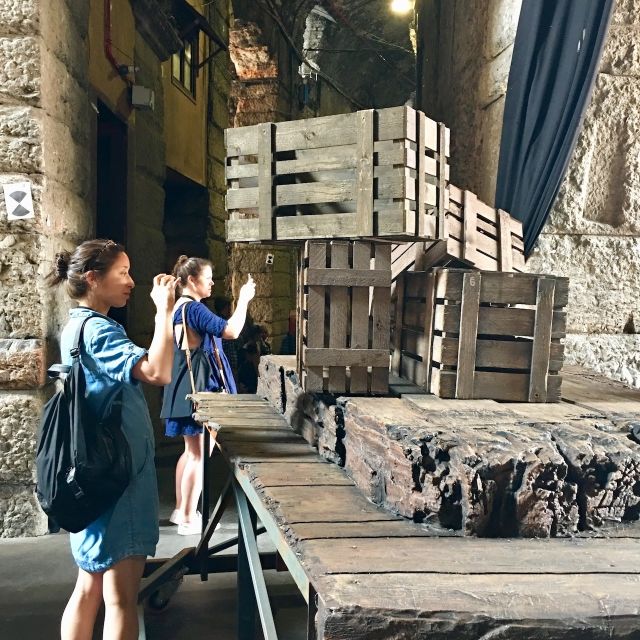
At about $41 per person for a 45-minute licensed tour with skip-the-line entry, this is not a cheap add-on. Still, I think it can be good value if you care about time and interpretation.
Here’s how I think about it:
- If you’re trying to see Verona efficiently, skipping the line protects the rest of your schedule.
- If you’d otherwise go in with no guide, the live explanation can be the difference between seeing an old building and understanding an ancient performance space.
- Since the Arena is both archaeological site and active venue, having a guide helps you connect those two roles while you’re there.
In other words, you’re paying for two things: faster entry and human interpretation. If you love reading signs and moving at your own pace, you might question whether it’s worth it. If you want your visit to feel guided without taking half a day, this format tends to fit well.
Who this tour is best for (and who should skip it)
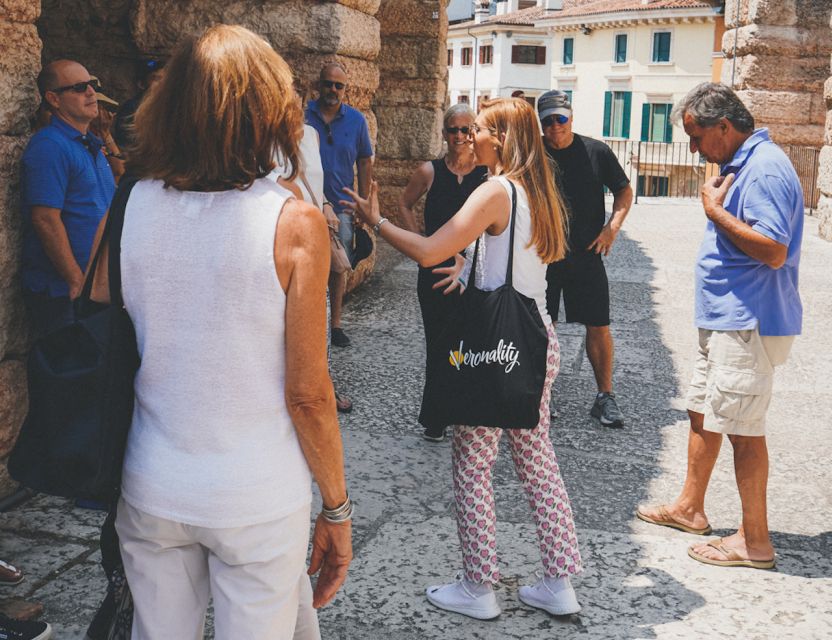
This tour is suitable for children and families, and the short duration works well if you’re traveling with teens. The guide style is often described as lively and engaging, and that’s exactly what keeps younger visitors interested in ancient history.
It’s also ideal if you’re the kind of visitor who wants the headline facts plus a few details that aren’t obvious from walking around. People consistently praise guides for storytelling and for answering questions in a way that makes the Arena feel easier to grasp.
Who should consider skipping?
- Wheelchair users, because it is not suitable for them.
- Anyone who expects fully accessible routes throughout the site, because some parts may not be easily accessible for reduced mobility.
- Anyone who hates guided groups and would rather wander without stopping.
If that’s you, DIY entry might feel more comfortable. But if you’re unsure, this tour’s short length means you can still enjoy the rest of your day in Verona without feeling tied up.
Practical tips for a smoother, better visit
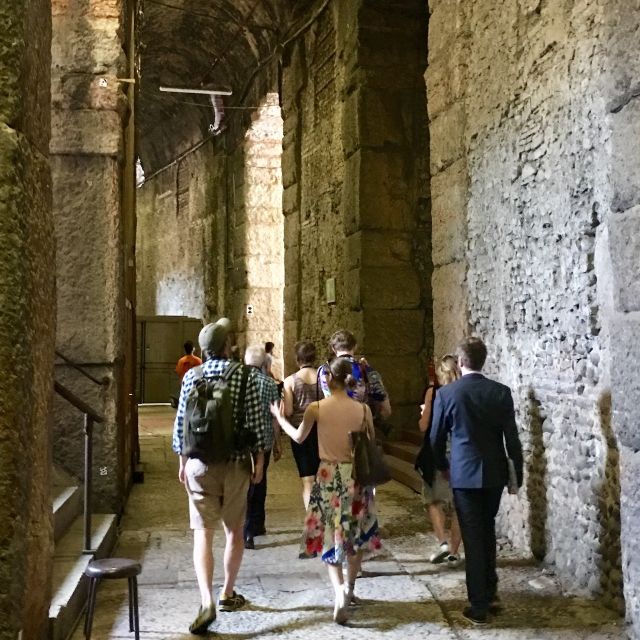
A few things can make this visit easier once you commit to the guided format.
- Wear comfortable shoes. The Arena area includes walking and likely some uneven surfaces.
- Bring your patience. Even with skip-the-line entry, you’ll still be navigating a busy attraction.
- Plan around modern staging. If you want to see the Arena without the typical music venue setup, aim for the November to May window.
- Bring questions. Guides like Frank and Isabella are noted for being engaging and responsive, so asking what you don’t understand usually helps.
Also watch the rules. Pets are not allowed, smoking is not allowed, and luggage or large bags are not permitted. Unaccompanied minors are also not allowed, so keep that in mind when you’re traveling as a family.
Should you book this Verona Arena priority access tour?
Book it if you want the fastest path into a world-famous Roman monument and you’d rather learn from a licensed guide than from plaques. It’s also a strong choice if you’re going to an opera and want your evening to make more sense because you’ll recognize the space and its purpose.
Skip it if you’re comfortable doing the Arena on your own and you don’t care much about context or behind-the-scenes explanations. Also skip if accessibility needs mean this won’t work well for you, since it is not suitable for wheelchair users.
If you’re torn, use this rule of thumb: if you value time and guided storytelling in a short window, this tour is a smart use of your Verona hours.
Our Wider Tours File for Verona
Beside This One, Verona and Valpolicella Outings in Verona
Not quite the day you had in mind? The rest of our Verona write-ups sit below
- Verona: Highlights and Hidden Gems Walking Tour★ 4.7 · 179 reviews
- Verona Full Meal & Wine Tasting Walking Tour by Do Eat Better★ 5.0 · 197 reviews
- Verona: Highlights Walking Tour with Arena Priority Access★ 4.8 · 201 reviews
- Verona Arena Skip-the-line Tour★ 4.5 · 208 reviews
- Guided Food Tour with Wine Tasting in Verona★ 4.3 · 229 reviews
- Verona: Food and Wine Tasting Walking Tour★ 4.9 · 238 reviews
- Wine Tasting with Panoramic View of Verona★ 5.0 · 240 reviews
- City Sightseeing Verona Hop-On Hop-Off Bus Tour★ 4.0 · 247 reviews
- Verona: City Walking Tour with Cable Car & Wine Aperitif★ 4.8 · 267 reviews
Verona & Valpolicella, top to bottom.
 ★ 4.4Verona: Hop-on Hop-off Tour 24 or 48-Hour TicketFrom $292,010 reviews
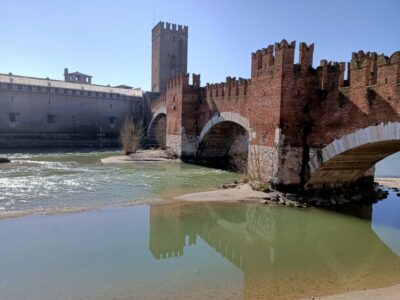 ★ 5.0Verona: History and Hidden Gems Guided Walking TourFrom $411,379 reviews
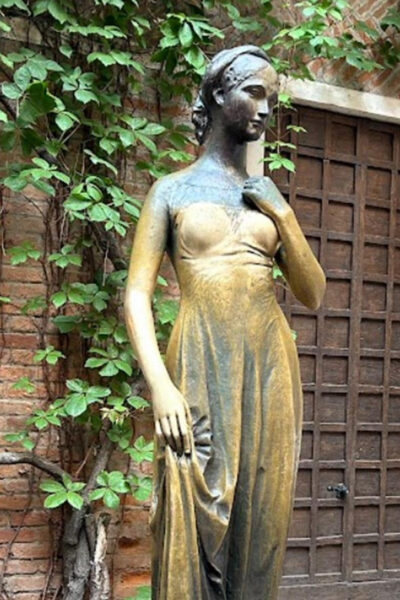 ★ 4.2Verona: Juliet’s House Fast-Track Entry Ticket & Audio GuideFrom $281,121 reviews
 ★ 4.9Verona: Small Group Guided Walking Tour with Arena TicketsFrom $81848 reviews
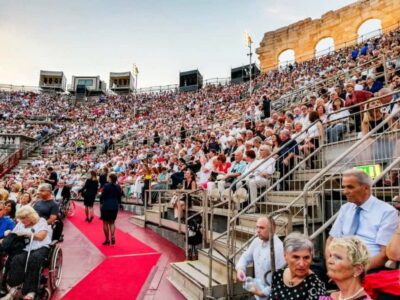 ★ 4.6Verona: Arena di Verona Opera TicketFrom $55721 reviews
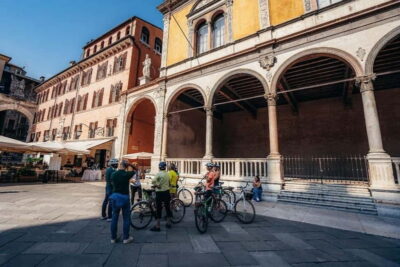 ★ 4.9Verona: Classic and Hidden Gems Bike TourFrom $33577 reviews
 ★ 5.0Verona: Pasta and Tiramisu Cooking Class With Free Flowing WineFrom $71575 reviews
 ★ 4.9From Verona: Valpolicella and Amarone Wine Tasting TourFrom $112560 reviews
Filed under