
Reviewed · MOUNT ETNA TOURS
Etna Volcano: South Side Guided Summit Hike
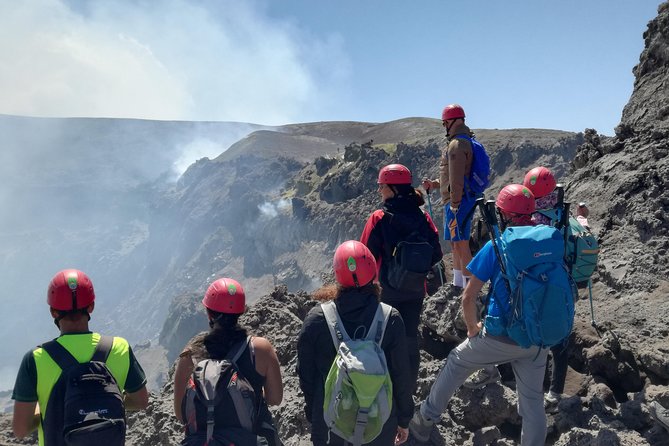
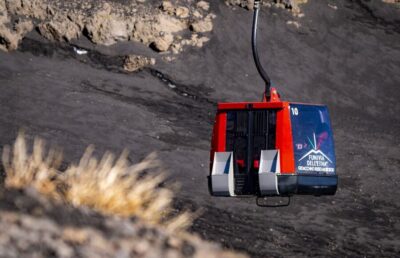
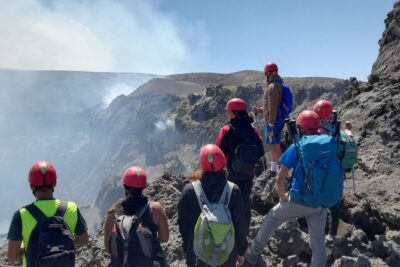
Etna makes the ground feel alive. This south-side hike is built around a volcanologist guide and a real walk into summit craters terrain, not just a quick scenic stop. You’ll ride up part of the mountain by cable car or 4×4 (own expense), get kitted with safety gear, then hike through lava flows in a lunar-looking world. One thing to keep in mind: because this is an active volcano, the plan can adjust if gases, wind, or safety conditions change.
What I like most is the focus on the actual geology up close, including gas emissions, volcanic bombs, and sulfur-sparkled ground, plus plenty of breaks for photos from high viewpoints. The second big plus is the practical gear and guidance, like trekking poles and helmets, because the surfaces can be uneven and slippery, especially on the way down. If you expect an easy stroll or want a guaranteed summit experience no matter what, you may feel frustrated.
In This Review
- Key highlights before you hike
- From Piazzale Rifugio Sapienza to the high-altitude start
- Price and value, plus the 65€ you should budget
- Getting kitted: boots, helmet, poles, and the wind reality
- Stop 1: Itinerario Crateri Sommitali, where the terrain turns surreal
- Stop 2: Valle del Bove, a viewpoint moment on the route
- Stop 3 and the crater rim walk: Central, Northeast, and Southeast Craters
- Descent plan: Barbagallo craters and a lava flow channel
- What the active volcano means for your expectations
- How hard is it, really? Fitness and wind considerations
- Who should book this Etna south-side summit hike
- Should you book this Etna summit hike? My take
- FAQ
- What is the duration of the Etna South guided summit hike?
- Where does the tour start?
- What time does the tour start?
- How difficult is the hike?
- What gear is included?
- What does it cost, and what costs extra locally?
- Is bottled water included?
- Is the tour in English?
- How many people are in a group?
- If weather or volcano conditions change, what happens?
Key highlights before you hike
- Volcanologist-led route on the Etna south side, aimed at the summit craters rim walk
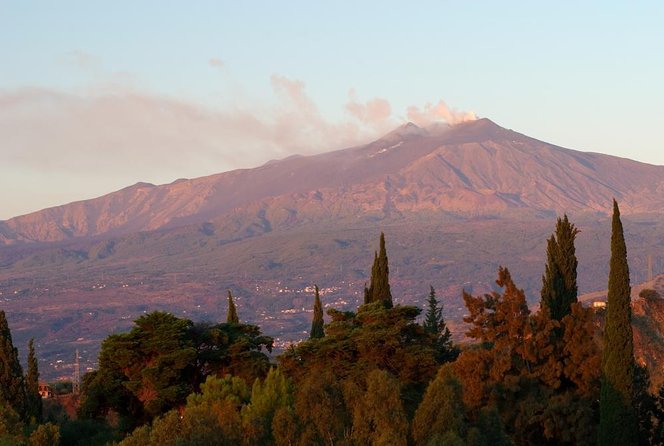
- Central Crater rim views, plus the Northeast Crater and the Southeast Crater
- Gear included: helmet, trekking boots, trekking sticks, and more protection for cold and wind
- Active-volcano realism, with possible itinerary changes depending on gases and safety
- Descent into lava features, including the Barbagallo craters and a lava flow channel
From Piazzale Rifugio Sapienza to the high-altitude start
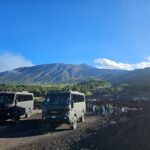
The tour meets at Piazzale Rifugio Sapienza, in the Etna South area. You start at 8:00 am, then you’ll head up to around 2,800 to 2,900 meters using the Etna cable car or a 4×4 jeep. That ride is not included in the tour price, but it matters a lot: it cuts out the long slog from the bottom and drops you into the part of Etna that feels most otherworldly.
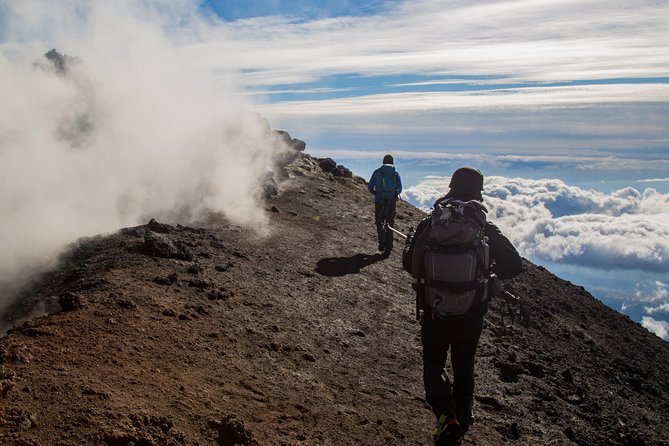
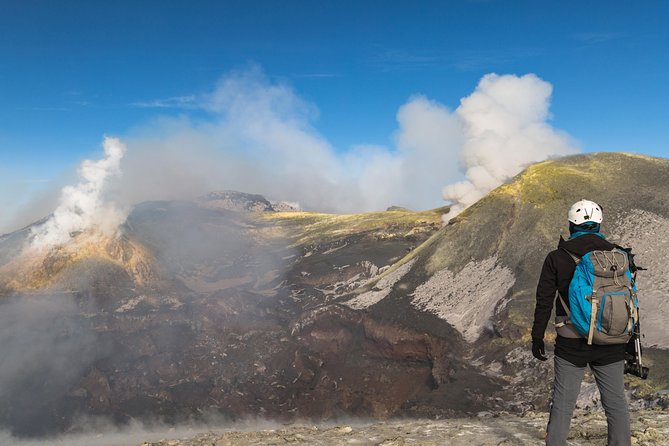
After that, your hiking really begins. You’re walking up through lava flows and dark, gritty terrain, and the “lunar” feeling is not a marketing line. The summit area can look like a staged set, but it’s live volcanic ground, with visible gas activity and the colors of minerals that can sparkle when conditions are right.
Time-wise, plan on about 6 hours total. That usually means you hike, pause, and photograph without rushing, but you also do not stop for long meals in the middle. If you’re the type who needs frequent long breaks, this may not feel relaxed. The pace is steady, with rests built in.
Other Mount Etna tours in Catania that earned their own write-up.
- Catania: Sunset Jeep Tour of Mount Etna and Lava Flow Caves
★ 4.8 · 2,113 reviews - Sicily: Etna and Alcantara Gorges Full-Day Tour with Lunch
★ 4.8 · 1,766 reviews - Catania: Etna Sunset Tour with Pickup and Drop-off
★ 4.8 · 1,348 reviews - Mt. Etna and Taormina village full day tour from Catania
★ 5.0 · 1,155 reviews
Price and value, plus the 65€ you should budget
The tour price is listed at $78.64 per person. What you get for that base price is the heart of the experience: a certified volcanological guide plus safety and hiking support (helmet, trekking boots, trekking sticks, and insurance).
The key add-on is the ride to the trailhead at altitude. You pay 65€ per person locally for the cable car and/or 4×4 jeep tickets. If you want a simple estimate, you’re effectively paying the tour fee plus that 65€ for the high-altitude access.
To me, the value makes sense if you care about the geology explanation and want to spend your energy on the crater terrain itself. You’re not paying just for a bus ride or a viewpoint. You’re paying for a guide who helps you understand what you’re walking through, and for the included kit that turns a cold, windy scramble into something you can handle.
Getting kitted: boots, helmet, poles, and the wind reality
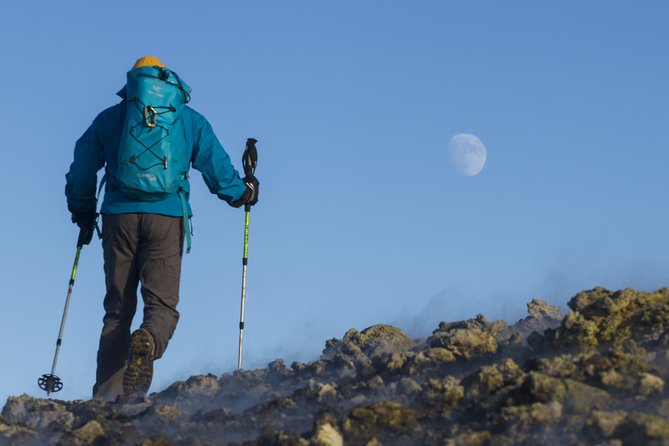
Good hiking shoes are non-negotiable on Etna. Even with help, the surfaces can be uneven and sometimes slippery, and you may be walking on sand and gravel. That’s why the tour includes trekking sticks and trekking boots. Poles help your balance on steep sections and take stress off your knees on the descent.
Safety gear also matters. You receive a helmet, which is a big deal on active volcano terrain where falling rocks or shifting conditions can be a concern. You’re also provided protective items like gloves and windbreakers (listed in the tour highlights), but temperatures and wind can still vary fast at altitude. I’d still treat this as a layers day.
From the practical advice you’ll commonly get for this kind of hike, plan for:
- Wind that can feel icy even if you were warm in town
- Cold at higher elevations, especially at the craters
- The need for head and neck coverage, like a hat and scarf or neck sock
One more small tip, based on what people emphasize: wear something in darker colors if you can. It tends to be more practical for sun and light glare in the crater area.
Stop 1: Itinerario Crateri Sommitali, where the terrain turns surreal
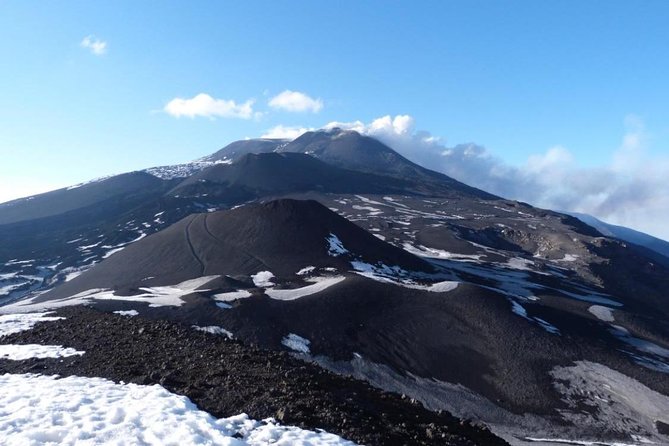
Your hike is designed around getting you to the summit crater zone. After the cable car or 4×4 puts you high up, you walk for about 2 hours through lava flows and that lunar-looking terrain until you reach the summit craters area.
This is where you’ll start noticing the details that make Etna more than a mountain. The ground can look dusted with mineral sparkle, tied to sublimation of elements, and sulfur is called out specifically. You may also see signs of gas emissions and volcanic material like bombs or chunks of volcanic rock.
You’re not just walking from point A to point B. The guide builds in photo stops and rest breaks, and those breaks are more than comfort. They help you stop pretending you’re on a normal hike and actually look. Etna has a way of resetting your perspective.
Also, keep your expectations flexible. The goal includes walking the rim of the Central Crater and looking toward the Northeast Crater, plus seeing the Southeast Crater, known for recent major eruptions. But because this is active, safety conditions can cause variations. Sometimes the most dramatic access can be limited when vapor and gas increase.
Stop 2: Valle del Bove, a viewpoint moment on the route
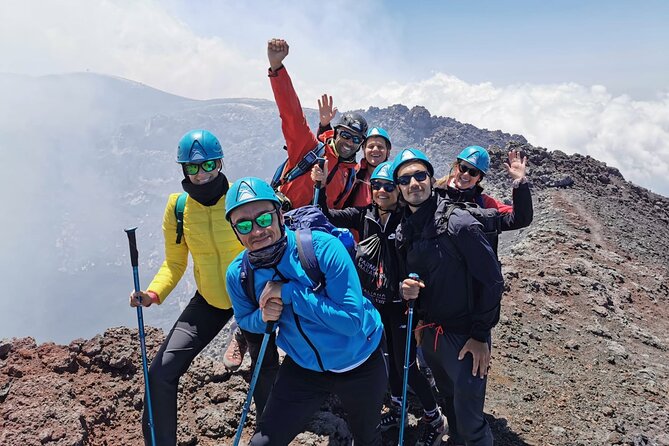
Next up is Valle Del Bove. The tour lists it as a stop during the hike, which usually means you’ll slow down enough to absorb the broader volcanic setting. Even if you’re focused on your footing, this is a good moment to let the guide connect what you’re seeing to Etna’s larger structure.
In practical terms, Valle Del Bove is a “change of mood” segment. Earlier you’re climbing through darker lava terrain. Here you’ll likely feel the open scale of the mountain and start understanding why Etna’s summit area draws photographers and geologists alike.
This is also a good place to catch your breath if you’re pacing yourself smartly. Medium-high fitness is required, but the tour is not a nonstop grind. The rests are part of the design, and the guide’s job includes keeping you alert without rushing you beyond your limits.
Stop 3 and the crater rim walk: Central, Northeast, and Southeast Craters
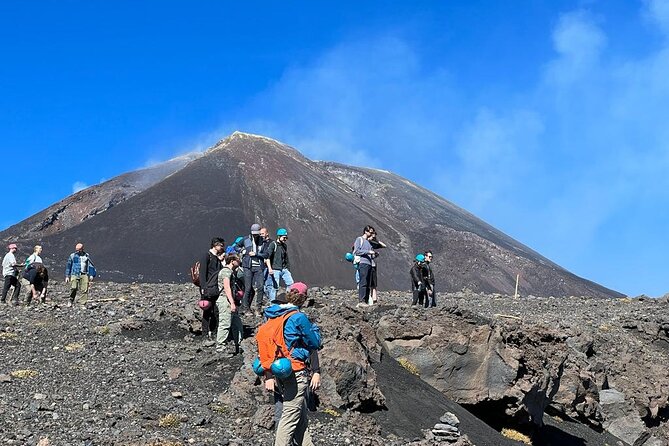
The heart of the day is the summit crater zone. From the high-altitude start, you reach the craters after that couple of hours of hiking over lava flows.
Here’s what the route aims for:
- Walking on the rim of the Central Crater
- Facing the Northeast Crater, described as vertiginous
- Seeing the Southeast Crater, the one linked to the most recent and impressive eruptions
That word vertiginous matters. Even when you’re moving slowly and staying within safe boundaries, crater rims can make people feel their height. If you get nervous around steep drops, you’ll want to mentally prepare for this portion, and keep your eyes on where the group is moving.
The guide is also there to explain what’s happening geologically, not just to describe the scenery. Expect talk of gases, volcanic materials, and why the summit environment looks the way it does. People come away feeling like they learned how to read the mountain.
And again, the active volcano reality can change what you see. If gases or vapor get too intense, the plan may shift so you still get crater and lava features, even if you don’t reach every intended point. The upside is that Etna keeps offering new scenes even when conditions force adjustments.
Pinned to the same map of Catania, more hikes and treks.
Descent plan: Barbagallo craters and a lava flow channel
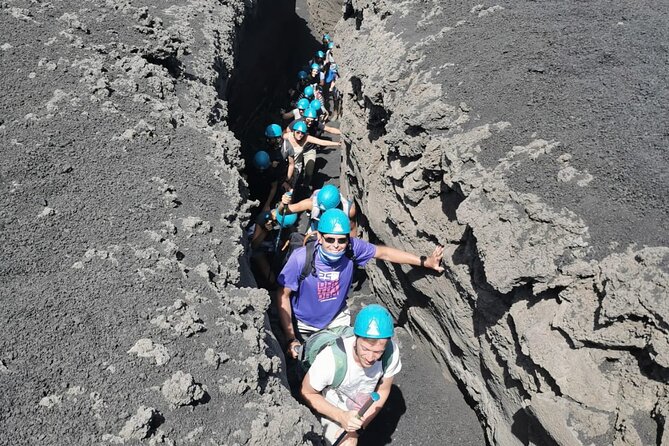
On the way down, the itinerary includes visiting the Barbagallo craters and crossing a lava flow channel. That descent segment is where many hikers realize the hardest part might not be the climb. Dark soil can be slippery, and loose gravel can shift underfoot.
This is another reason the included trekking sticks matter. Even experienced hikers often find the last part mentally tiring because you’re watching your footing more than you’re admiring the view.
Crossing a lava channel also has a special “you are really in it” feeling. Etna doesn’t just sit there. It shapes the ground into channels, scars, and remainders of older flows. Walking through those areas helps you connect the crater drama at the top with what the mountain has been doing for centuries.
You return to about 2,500 meters using the cable car and then head back to the starting point.
What the active volcano means for your expectations
This hike is built for safety first. The tour explicitly notes there may be itinerary variations because Etna is active. That means your plan could change due to gases, vapor, or other conditions the guide team considers unsafe.
So the best mindset is: you’re here for a volcanic geology hike, with the summit crater zone as the highlight, not for a guarantee of one specific photo.
In good conditions, you get that rim-walk perspective and crater-to-crater views. In less ideal conditions, you may spend more time on other crater areas and lava features while staying safe. Either way, you’re hiking in real volcanic terrain, not in an interpretive park.
How hard is it, really? Fitness and wind considerations
The tour is listed as medium-high difficulty, and it says people should be in perfect physical conditions. Translation: you need stamina for steep, uneven walking at altitude, and you need the ability to handle slippery ground on the descent.
In the field, you should expect:
- Steep sections going up, where slow pacing is smart
- Uneven ground, including lava rock and dark soil
- Slippery conditions when the trail becomes sand-like or gravelly
- Wind and cold at high elevations
One practical trick for comfort is to dress for temperature swings. It’s not unusual for conditions to feel warm at first and then turn cold quickly. A hat, gloves, and a wind layer can save your mood.
Also, group size is capped at 20. That’s a manageable number, and it helps with movement and safety. Still, when you’re walking in a crater environment, you might have to push slightly toward the front if you care about hearing every detail clearly.
Who should book this Etna south-side summit hike
Book this if you:
- Want a volcanologist-led hike where the guide explains what you’re seeing
- Are comfortable hiking on uneven, sometimes slippery terrain
- Don’t mind cold wind and bring layers for altitude
- Can handle crater-rim scenery, including vertigo-risk views like the Northeast Crater
Skip it or choose a milder Etna experience if you:
- Want a guaranteed summit outcome regardless of gas and vapor
- Have limited hiking tolerance for medium-high difficulty
- Feel unsafe walking on steep, loose, uneven ground
It’s also a good pick if you like group travel with structure. You get a plan, gear, and expert narration, which makes the day feel purposeful rather than random hiking.
Should you book this Etna summit hike? My take
I’d book it if your priority is crater knowledge plus real hiking. This tour is strongest when you treat it like a guided walk on active volcanic ground, with conditions controlled by professionals, not a checklist of guaranteed views.
You should also budget for the extra 65€ for the cable car or 4×4 jeep, because that’s part of how you reach the higher trail access. Once you accept that, the $78.64 base price feels fair for what’s included: gear support, insurance, and a guide team that takes active-volcano safety seriously.
Finally, the best way to enjoy Etna is to stay flexible. If vapor rises or access changes, you still get crater and lava-world scenes, and the day remains a true geology adventure.
FAQ
What is the duration of the Etna South guided summit hike?
It runs for about 6 hours.
Where does the tour start?
You meet at Piazzale Rifugio Sapienza, 95030 Nicolosi CT, Italy.
What time does the tour start?
The start time is 8:00 am.
How difficult is the hike?
The tour is described as medium-high difficulty. It requires moderate physical fitness, and the description also says people should be in perfect physical conditions.
What gear is included?
The tour includes a helmet, trekking boots, trekking sticks, and insurance and volcanological guides.
What does it cost, and what costs extra locally?
The tour price is $78.64 per person. You also pay locally for the cable car and/or 4×4 jeep tickets, listed at 65€ per person.
Is bottled water included?
No. Bottled water and snacks are not included.
Is the tour in English?
Yes, it is offered in English.
How many people are in a group?
The maximum group size is 20 travelers.
If weather or volcano conditions change, what happens?
The tour requires good weather. Also, since it’s an active volcano, the itinerary may vary for safety reasons. If the experience is canceled due to poor weather, you are offered a different date or a full refund.
Keep Comparing Hikes and Treks in Catania
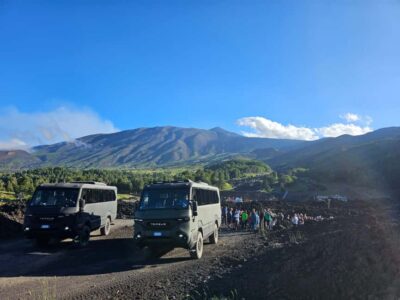
Beside This One, Mount Etna Tours in Catania
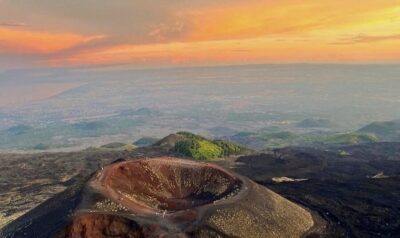
Not quite the day you had in mind? The rest of our Catania write-ups sit below
- Catania: The heart of the City – Tour guidato in Italiano★ 4.8 · 171 reviews
- Catania: Pistachio Ravioli, Pasta Home Cooking Class w/ Wine★ 4.7 · 204 reviews
- Catania: Gulf Scuba Diving Tour with Marine Biologist★ 4.9 · 212 reviews
- From Catania: Neapolis of Syracuse, Ortygia, and Noto Tour★ 4.7 · 234 reviews
- Mount Etna: Return Funivia dell’Etna Cable Car Ticket★ 4.0 · 240 reviews
- Etna Morning Jeep Tour★ 4.5 · 241 reviews
- Mount Etna: Ascent to 2800m by 4×4★ 4.8 · 241 reviews
- Mount Etna: North Upper Craters Guided Tour by 4×4 with Trek★ 4.6 · 243 reviews
- From Catania: Day Trip to Mount Etna and Taormina★ 4.9 · 244 reviews
Mount Etna Tours, top to bottom.
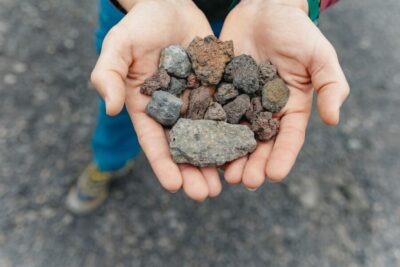 ★ 4.8Catania: Mount Etna Morning or Sunset Day Trip with TastingFrom $704,028 reviews
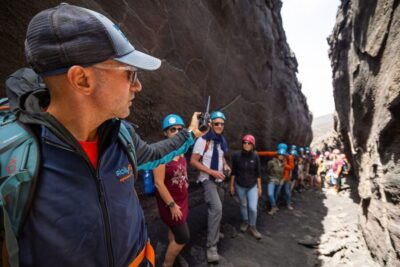 ★ 4.7Mount Etna: Guided Volcano Summit Hiking Tour with Cable CarFrom $1243,784 reviews
 ★ 4.8Catania: Sunset Jeep Tour of Mount Etna and Lava Flow CavesFrom $712,113 reviews
 ★ 4.7Mount Etna: Trek to 3000m with cable car and jeepFrom $621,978 reviews
 ★ 4.8Mount Etna: Summit Crater Trek with Cable CarFrom $771,875 reviews
 ★ 4.8Sicily: Etna and Alcantara Gorges Full-Day Tour with LunchFrom $1051,766 reviews
 ★ 4.3Mount Etna: Roundtrip Cable Car and 4×4 Bus TicketFrom $971,602 reviews
 ★ 4.7Etna Volcano: South Side Guided Summit HikeFrom $671,545 reviews
Filed under