
Reviewed · GENOA & THE LIGURIAN RIVIERA
Genoa: 2-Hour Guided Walking Tour of the Historical Center
Genoa’s caruggi feel like a living maze. This 2-hour guided walk through the Caruggi and the Palazzi dei Rolli turns the historical center into something you can actually navigate. You’ll also leave with admission for a self-guided museum visit to the Strada Nuova complex and Sant’Agostino.
I love that the tour pairs street-level sightseeing with major art stops. You get included access to the Strada Nuova Museums and the Sant’Agostino Museum, so you are not paying extra just to keep the day going.
One thing to consider: the tour is bilingual (English and Italian), so you may have moments where you wait for translation. And the museum visits are best done the same day as your walking tour.
In This Review
- Key highlights worth aiming for
- Walking Genoa’s caruggi in two hours, not three days
- Palazzi dei Rolli and Via Garibaldi: the UNESCO “wow” you can see
- San Matteo Square: the Doria family’s power in plain sight
- San Lorenzo Cathedral: gothic architecture plus Genoa’s big stories
- The Doge Palace and the Opera House: seeing civic Genoa in motion
- Museums after the walk: Strada Nuova and Sant’Agostino at your pace
- What guides get right in real life (and how you’ll benefit)
- Price and value: why $16 can feel like a bargain
- Who should book this walking tour, and who should skip it
- Should you book Genoa’s 2-Hour Historical Center Walk?
- FAQ
- How long is the walking tour?
- How much does the tour cost?
- Where do I meet the guide?
- What languages are offered?
- What’s included in the tour?
- Do I visit the museums during the walking tour?
- Do I need to visit the museums the same day?
- Is cancellation free?
- Can I reserve without paying right away?
Key highlights worth aiming for
- UNESCO Palazzi dei Rolli at close range: see aristocratic residences that once hosted big visitors
- Via Garibaldi, the Strada Nuova corridor: step into the Genoese “main stage” of palaces
- San Matteo Square and Doria power: a fast hit of political and family influence
- San Lorenzo Cathedral inside the story: gothic church stops with religious objects tied to Genoa’s past
- Museum time at your own pace: you get passes to explore Strada Nuova and Sant’Agostino after the walk
- Bilingual guiding that keeps you with the group: English and Italian explanations during the route
Walking Genoa’s caruggi in two hours, not three days
Genoa’s historical center is famous for narrow streets, steep perspectives, and turns that make you forget what direction you came from. That is exactly why this tour works: it is short, focused, and guided, so you start with bearings instead of guesswork.
The big win for you is efficiency. In two hours, you get an organized path through key landmarks, then you’re free to build your own day using what you saw. If you like to avoid aimless wandering in a maze of alleys, you’ll appreciate that structure.
One more practical note: wear comfortable shoes. The route is all about tight lanes and old-town walking, so you want footwear that can handle repeated turns and uneven footing.
If the dates do not line up, these Genoa and Ligurian Riviera outings in Genoa are reviewed too.
- Genoa: Aquarium of Genoa Entry Ticket
★ 4.5 · 10,075 reviews - Genoa: Hop-on Hop-off Tour Ticket
★ 4.0 · 1,524 reviews - Genoa: Half-Day Tour to Portofino
★ 4.2 · 1,123 reviews - Genoa: Pelagos Sanctuary Whale Watching Cruise
★ 4.2 · 806 reviews
Palazzi dei Rolli and Via Garibaldi: the UNESCO “wow” you can see
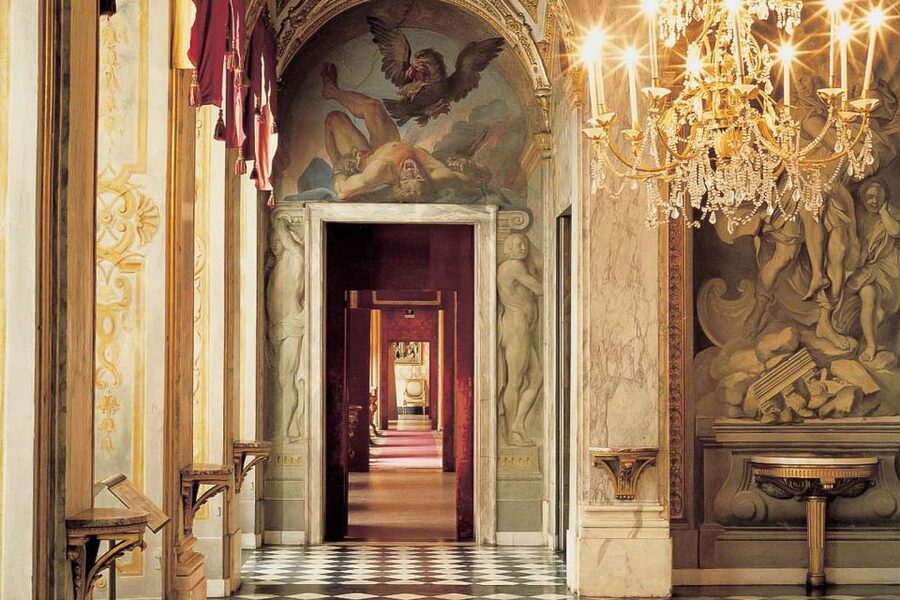
The Palazzi dei Rolli are the headline for many first-timers, and the tour hits them the right way, from street level. These are 16th and 17th century aristocratic residences tied to Genoa’s system of hosting important guests. In other words, you are not just looking at pretty facades. You are seeing a display of status and power.
You’ll also walk the Strada Nuova route, also known as Via Garibaldi. This is UNESCO World Heritage territory, and it helps to have a guide here because the palaces can look similar until someone points out what matters. Once you start noticing the patterns and the stories, the street becomes more than a photo stop.
If your goal is to understand why Genoa’s old port-city wealth translated into architecture, this is a strong starting point. A well-paced guide makes the palaces readable, so you know what to look for after you leave.
San Matteo Square: the Doria family’s power in plain sight
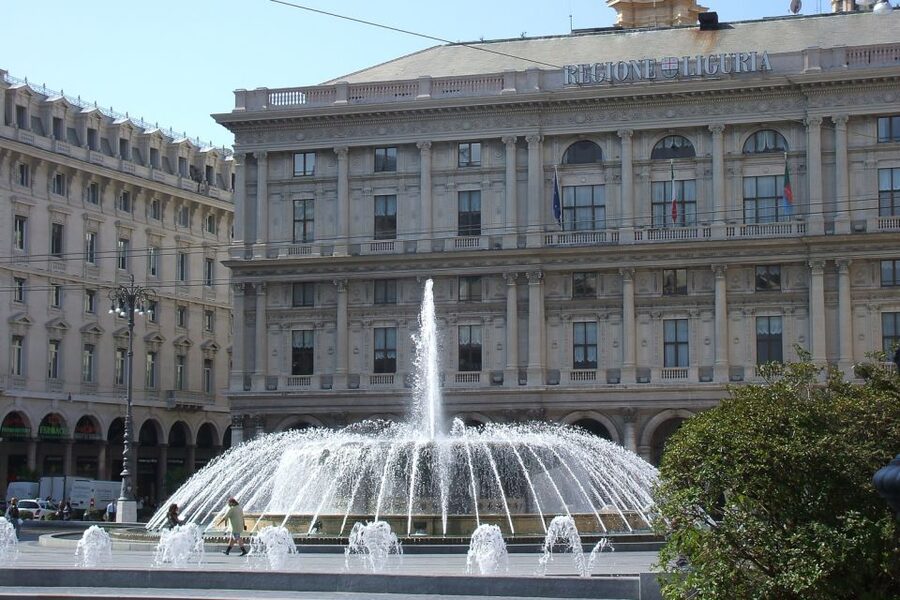
San Matteo Square is one of those places where Genoa’s old elite energy becomes visible fast. The tour specifically frames this stop around the Doria family, described as the most important Doria power point. That context matters, because squares like this are not just “pretty open space.” They are designed for presence.
This stop also works as a breathing moment. After weaving through the caruggi, you get a more open viewpoint and a clearer sense of the city’s layout. You might still feel like you’re in a vertical city, but at least the geometry makes more sense.
If you like historical anchors, this is one. It gives you a family name and political weight you can keep in your head while you move to the next church and palace.
San Lorenzo Cathedral: gothic architecture plus Genoa’s big stories
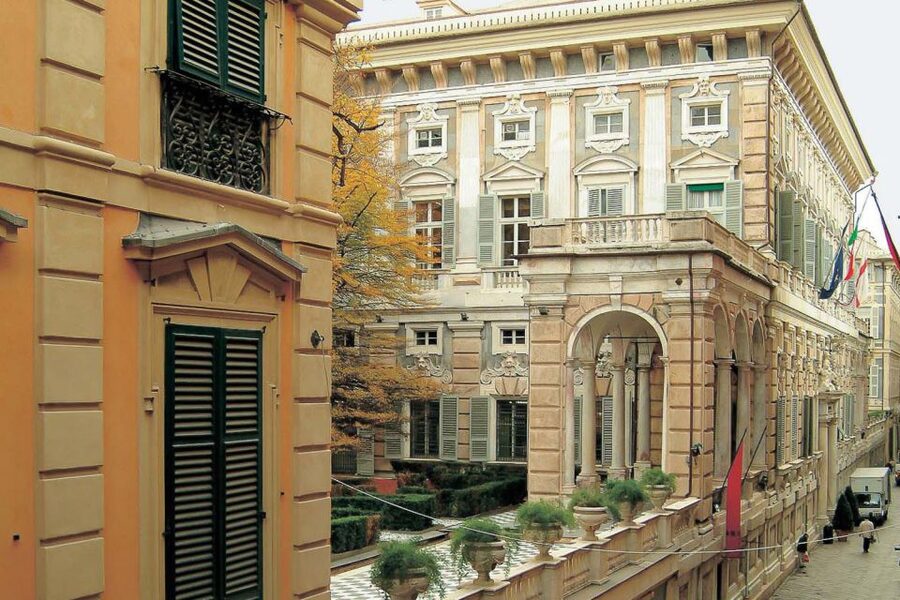
San Lorenzo Cathedral is highlighted as a gothic church that houses many religious objects. Walking tours can sometimes treat cathedrals like quick stops for exterior photos. Here, the cathedral is part of the narrative of Genoa’s identity.
A good guide helps you connect the dots between religion, art, and local meaning. You may hear fascinating details that bring the setting to life, including stories around relics tied to St John the Baptist and Genoa’s medieval role as a trading power. Guides also often connect major Genoese institutions and famous figures to what you see around you, including the cathedral area.
What you’ll like about this stop is that it feels like an intersection. Genoa’s history shows up in the street plan, then you hit a spiritual center that carries religious and civic weight in one location.
The Doge Palace and the Opera House: seeing civic Genoa in motion
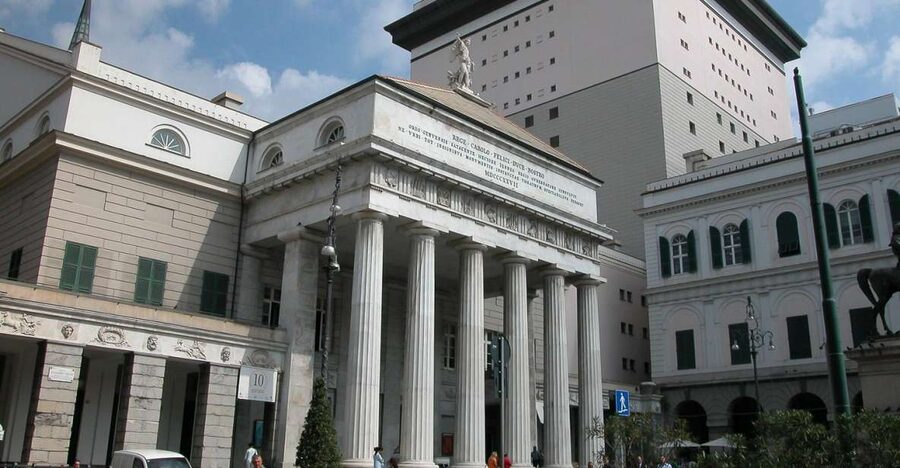
The tour also passes key highlights including the Doge Palace and an Opera House. Even if you do not go inside these buildings during the walking portion, they matter because they show the city’s civic and cultural engine. Genoa was not only merchants and palaces. It also built institutions for governance and public performance.
This is where a local guide helps you avoid the common mistake of “pretty building, next stop.” When you understand what the Doge Palace represents and why the Opera House fits into the same neighborhood logic, the old center feels planned instead of random.
If you want a day trip that feels organized, these stops are how you connect the architecture you’ll later see in museums to the physical city around them.
Museums after the walk: Strada Nuova and Sant’Agostino at your pace
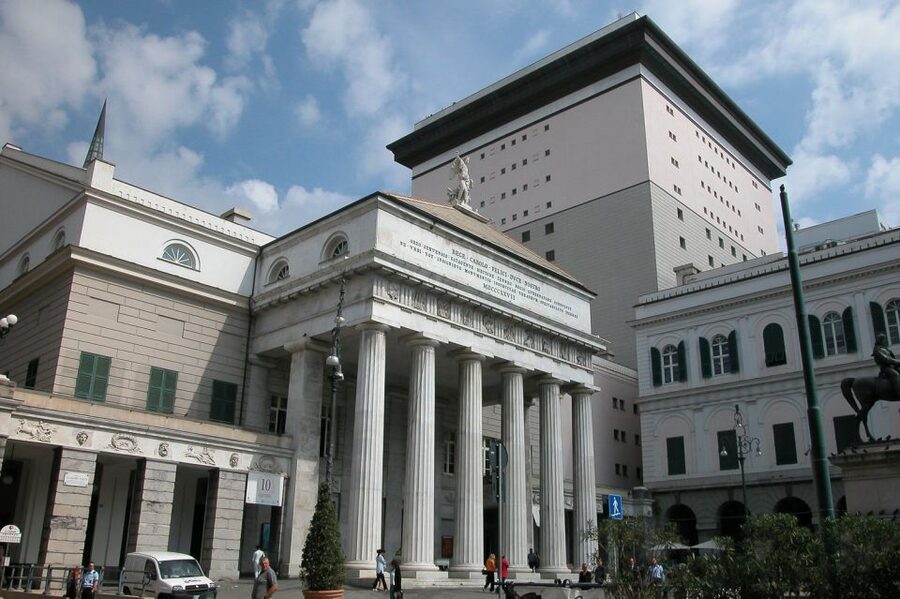
Here’s the part you’ll be glad you booked: at the end of the tour, you get introduced to the museums and then proceed on your own. You have access to both the Strada Nuova Museums and the Sant’Agostino Museum on the same day.
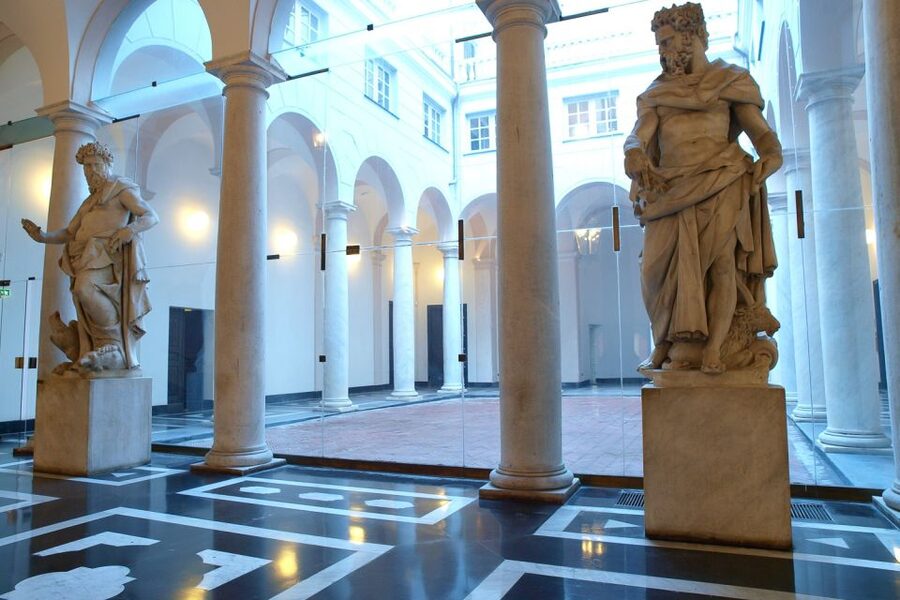
Strada Nuova Museums are described as Genoa’s main museum center, with masterpieces by Italian and foreign artists from the 15th to the 19th centuries. The collection includes a notable representation of Genoese and Flemish schools. That mix is great if you want variety, because you are not locked into one local style.
Sant’Agostino is presented differently, focused on medieval Genoa. You’ll be working with spaces like the triangular cloister and the largest preserved Gothic church, plus a selection of significant medieval art pieces. If Strada Nuova gives you courtly power and broad art scope, Sant’Agostino leans more spiritual and medieval in tone.
You do not need to rush. Since the museum time is self-guided, you can choose what to linger over. My suggestion: pick two or three themes before you start, then follow your curiosity without trying to see everything.
Our reviewers also walked through other two-hour experiences in Genoa.

What guides get right in real life (and how you’ll benefit)
This tour’s standout theme is the human side of guiding: you are not just getting dates and names. You’re getting explanations that help you connect what you see to why it exists.
In the feedback you can spot repeated patterns like clear translation between English and Italian, and a pace that feels manageable for different physical limitations. Several guides are named in comments, including Irene, Roberta, Daniel, Barbara, Marina, Paola, Anna, and Vittoria. If any of these guides are leading your group, you’re in good company, because their style is described as enthusiastic and focused on making sure both language groups can follow.
One practical tip from that same spirit: if you need to hear every detail, stand where you can face the guide. In narrow streets, sound can be tricky if you drift sideways. You’ll enjoy the tour more when you can keep your head up and listen while still turning your attention to façades.
Price and value: why $16 can feel like a bargain
At $16 per person for a 2-hour guided walk, the value comes from two things working together.
First, you are paying for an organized route through top sights of the historical center. Without that, you’d spend time figuring out where to go and what is worth your attention.
Second, museum access is included. You get entry to the Strada Nuova Museums and Sant’Agostino Museum, and the guide also sets you up for independent exploration afterward. For many people, that combo is the sweet spot: you pay once, then enjoy both street learning and museum looking the same day.
So if you are trying to do a lot of Genoa in limited time, this tour offers a strong “start here” effect. You walk away with context, and then the museums feel like chapters instead of random rooms.
Who should book this walking tour, and who should skip it
This is a great fit if you:
- want a quick orientation to Genoa’s old center and major landmarks
- care about art and want included museum time
- enjoy a guided explanation that makes buildings and squares easier to read
- plan to visit museums on the same day anyway
You might skip it if you:
- strongly prefer one language only, since the tour is bilingual
- cannot commit to visiting both museums the same day after the walk
- want a long, deep sightseeing day with minimal walking and lots of downtime
If you’re short on time and you want your first day in Genoa to feel organized, this tour is the kind that turns a list of sights into a coherent story.
Should you book Genoa’s 2-Hour Historical Center Walk?
Yes, if you want the smart first step in Genoa. The route gives you key landmarks like Palazzi dei Rolli, San Matteo Square, and San Lorenzo Cathedral, and the included museum access lets you keep learning without extra ticket juggling.
Book it especially if your schedule is tight and you want the historical center to make sense fast. Just plan to do the museums on the same day, and be ready for bilingual guiding while you navigate the caruggi.
FAQ
How long is the walking tour?
It lasts 2 hours.
How much does the tour cost?
The price is $16 per person.
Where do I meet the guide?
You meet at the Tourist Information Center on via Garibaldi 12red.
What languages are offered?
The tour is offered in English and Italian, with a bilingual live guide.
What’s included in the tour?
It includes access to the Strada Nuova Museums, access to the Sant’Agostino Museum, and the guide.
Do I visit the museums during the walking tour?
The walking tour ends with the guide introducing the Museums of Strada Nuova, and you proceed alone afterward.
Do I need to visit the museums the same day?
Yes. You should visit Strada Nuova Museums and Sant’Agostino Museum on the same day as the walking tour.
Is cancellation free?
Yes, free cancellation is available up to 24 hours in advance for a full refund.
Can I reserve without paying right away?
Yes. You can reserve now and pay later.
Our Wider Tours File for Genoa
Our Wider Genoa and Ligurian Riviera Outings File for Genoa
Not quite the day you had in mind? The rest of our Genoa write-ups sit below
- Aquarium of Genoa Ticket and Whale Watching Cruise★ 4.2 · 170 reviews
- Genoa: Historic Guided Tour of Christopher Columbus’ House★ 4.4 · 186 reviews
- Genoese cooking lesson in the with lunch in the terrace★ 5.0 · 189 reviews
- Genoa: Aquarium, Galata Museum and Submarine Entry Tickets★ 4.6 · 190 reviews
- Genoa Food, Wine Tasting & History Walking Tour★ 5.0 · 212 reviews
- Genoa: Food and Wine Tasting Walking Tour★ 4.9 · 215 reviews
- Genova: Homemade Pasta & Pesto Local Chef Class with Wine★ 5.0 · 217 reviews
- Genoa: Impossible Museum Entry Ticket★ 4.2 · 226 reviews
- 2 Hours Private Historical Tour in Genoa★ 5.0 · 248 reviews
Genoa & the Ligurian Riviera, top to bottom.
 ★ 4.5Genoa: Aquarium of Genoa Entry TicketFrom $3510,075 reviews
 ★ 4.4Genoa: Full-Day Tour to Camogli, San Fruttuoso & PortofinoFrom $243,295 reviews
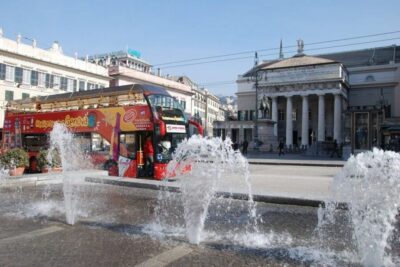 ★ 4.0Genoa: Hop-on Hop-off Tour TicketFrom $261,524 reviews
 ★ 4.3Genoa: Aquarium of Genoa with LunchFrom $421,449 reviews
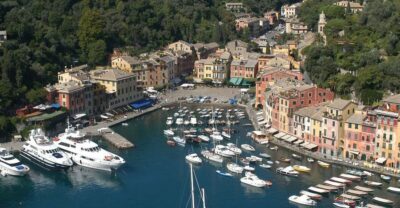 ★ 4.2Genoa: Half-Day Tour to PortofinoFrom $301,123 reviews
 ★ 4.2Genoa: Pelagos Sanctuary Whale Watching CruiseFrom $51806 reviews
 ★ 4.3Genoa: Cetacean Watching Cruise with Marine Biologist GuideFrom $53745 reviews
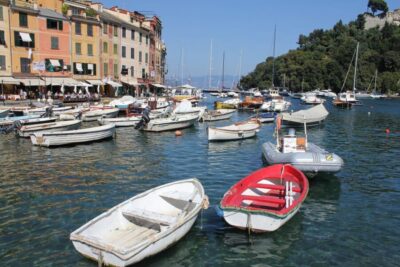 ★ 4.5From Genoa: Boat Tour to Portofino with Free Time to ExploreFrom $30579 reviews