
Reviewed · GENOA & THE LIGURIAN RIVIERA
Genova: Homemade Pasta & Pesto Local Chef Class with Wine
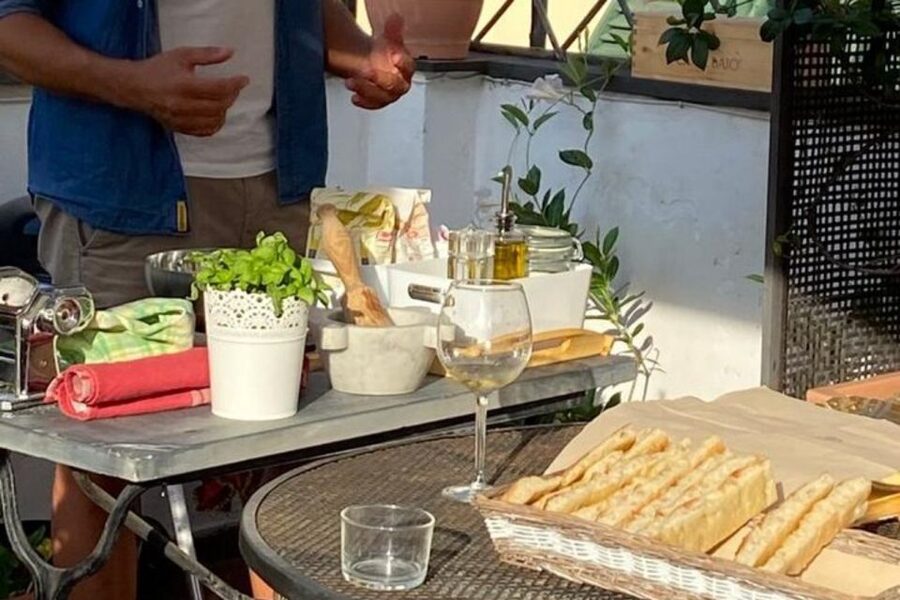
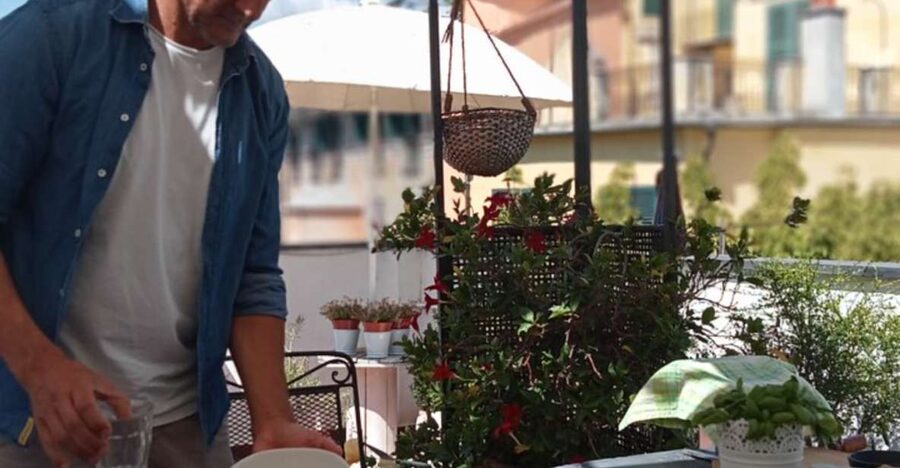
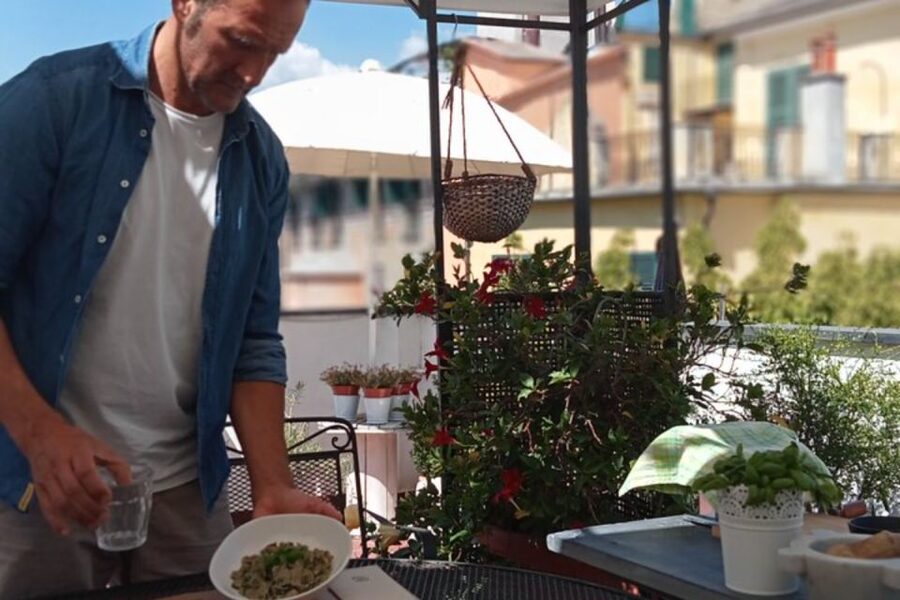
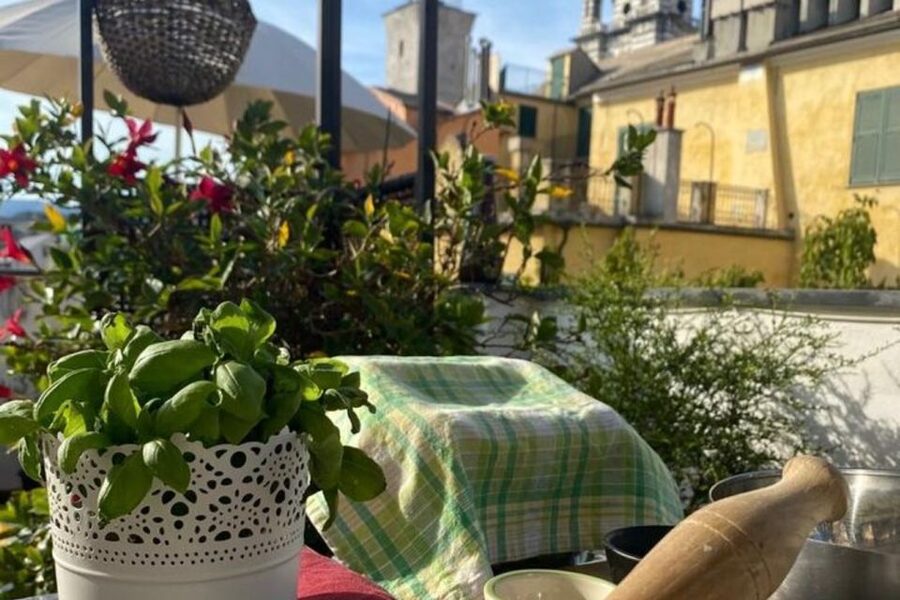
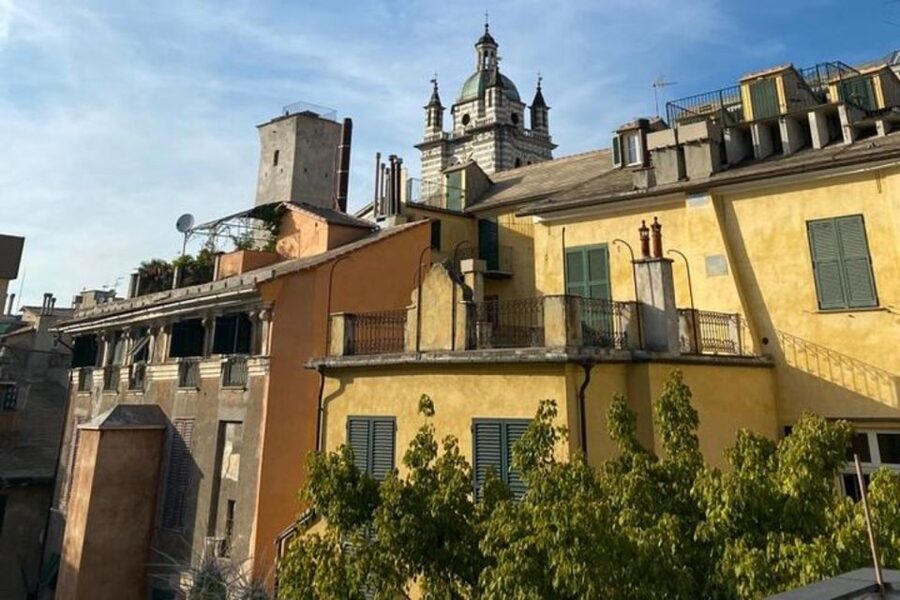
Pasta starts with a rooftop view. This Genoa class teaches you fresh pasta and pesto alla Genovese step by step, in a historic palazzo home, then you eat your work with wine and Ligurian sweets. You also get that terrace moment with views over the city center, the kind of setting that makes cooking feel like an occasion.
Two things I especially liked: the hands-on workflow for making pesto and pasta fresca from scratch, and the way Chef Alberto keeps it friendly and personal. It’s small enough that you are not watching from the sidelines, you are rolling, shaping, and asking questions as you go.
One thing to plan for: the apartment is on the 5th floor with no elevator, so comfortable stairs matter. The meeting spot is in the old center too, so save time by following the directions carefully.
In This Review
- Key Highlights Worth Planning Around
- Entering the Granara Palazzo: Old Genoa, Real Streets, Real Steps
- Pesto Alla Genovese First: Basil, Pine Nuts, Garlic, and Olive Oil
- Making Pasta Fresca Dough: The Feel, the Tips, the Timing
- Rolling, Cutting, and Shaping: From Dough Sheets to Genoese Pasta
- Lunch with Wine, Aperitivo Bites, and Genoese Sweets
- Price, Value, and What You Actually Learn for $105
- Should You Book This Genoa Pasta and Pesto Class?
- FAQ
- How long is the cooking class in Genoa?
- What will I make during the class?
- Is wine included?
- How big is the group?
- Where do I meet the chef?
- Is the apartment accessible by wheelchair?
Key Highlights Worth Planning Around
- Small group of up to 8 means real attention at your cutting board, not a crowd shuffle
- Pesto alla Genovese, traditionally made with basil, pine nuts, garlic, hard cheese, and olive oil
- English-friendly instruction with step-by-step guidance for dough, rolling, and shaping
- Historic palazzo setting in Genoa’s center, plus terrace city views when weather allows
- Food and wine all included, from starters and lunch through dessert and a typical Genoese liqueur
Entering the Granara Palazzo: Old Genoa, Real Streets, Real Steps
Your experience starts in the historic center with a local address and a very Genoa feel. The meeting point is Vico inferiore Valoria, Building 1, Apartment 11, called Granara. If you are using Google Maps, search for Cucina Valoria Restaurant first, then head to the entrance of Vico inferiore Valoria on the left side of the square, and ring number 11 marked Granara.
This matters because Genoa’s old streets can be a little twisty. The good news is the class is run from a residential setup, so you are not herded through a factory-style process. You are invited into a home base that already smells like the day is about to get good.
Also, plan your footwear and energy. The apartment is on the 5th floor and there is no elevator. If you carry a big day bag, you will feel it. If you are comfortable on stairs, it is completely manageable, and the payoff is getting to cook in a place that feels lived-in, not staged.
What you are really buying here is access: to the chef’s process, his house rhythm, and a small-group dinner that turns into lunch while you cook. For many people, that is the best way to understand Ligurian flavors, because you learn techniques, not just ingredients.
If the dates do not line up, these Genoa and Ligurian Riviera outings in Genoa are reviewed too.
- Genoa: Aquarium of Genoa Entry Ticket
★ 4.5 · 10,075 reviews - Genoa: Hop-on Hop-off Tour Ticket
★ 4.0 · 1,524 reviews - Genoa: Half-Day Tour to Portofino
★ 4.2 · 1,123 reviews - Genoa: Pelagos Sanctuary Whale Watching Cruise
★ 4.2 · 806 reviews
Pesto Alla Genovese First: Basil, Pine Nuts, Garlic, and Olive Oil
You begin with the flagship of Liguria: pesto alla Genovese. This is smart sequencing. Making pesto first lets you taste the goal before the dough work starts, so you understand what perfect looks like and how the final pasta should feel.
Chef Alberto walks you through the traditional components. The classic mixture includes crushed garlic, European pine nuts, coarse salt, basil leaves, hard cheese like Parmigiano-Reggiano, and olive oil. The key is not just what goes in, but how you treat it. Basil should stay aromatic, cheese should integrate without turning gritty, and the oil should loosen everything into a glossy paste.
In practice, you will get hands-on with the texture. Several guests describe using a mortar and pestle, which is exactly where pesto becomes a real skill. That means you learn how to crush garlic and nuts first, then bring basil and cheese into the mix in a way that keeps the flavor bright instead of dull.
And this is where you get a lot of value beyond taste. Pesto is one of those sauces that people think they can copy. After this class, you usually understand why the difference shows up in mouthfeel and aroma, not just in cost. You learn what consistency to aim for and how to adjust during mixing.
You will also get a sense of the cultural logic behind it. Genoese cuisine is built on simplicity and quality, and pesto is a perfect example. Once you make it, it stops being a jar sauce and starts being a technique you can actually repeat at home.
Making Pasta Fresca Dough: The Feel, the Tips, the Timing
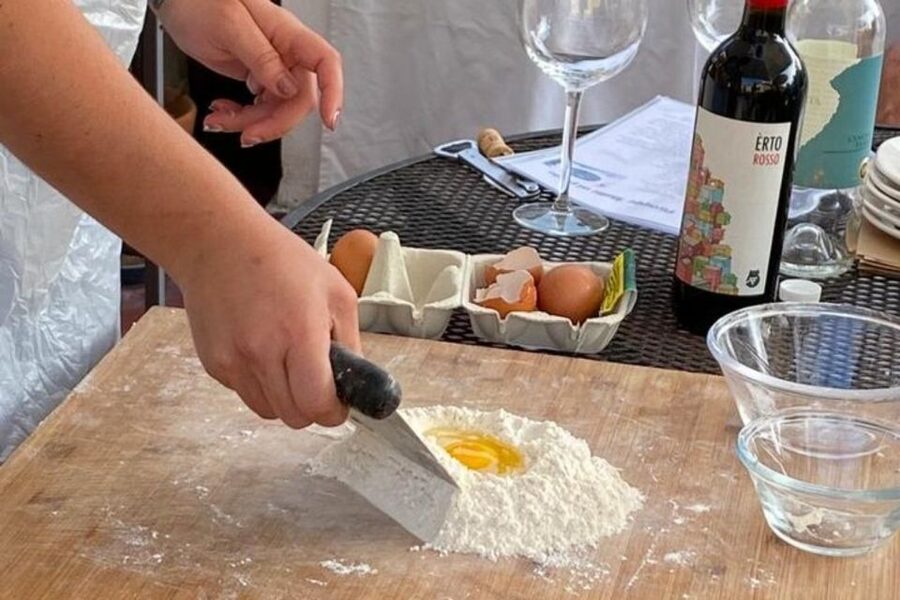
Once the pesto is underway, the class shifts to the other half of the equation: fresh pasta fresca. You work on a dough that uses eggs and other ingredients, plus guidance on how to get the right texture. The chef’s approach is practical, focusing on small changes that make a big difference.
You are not just being told what to do, you are being guided through why it works. That is the point of a live chef in a small room. When dough is too dry or too soft, it changes as you handle it. When you add or adjust something, you feel the outcome right away, which is how skill actually forms.
The class also includes tips for mixing and then rolling. Expect moments where you slow down, correct a technique, and then continue with more confidence. Guests repeatedly highlight how step-by-step the instruction feels and how patient Chef Alberto is with different cooking comfort levels.
Here is another practical detail: the dough work is interactive enough that even if you have never made pasta before, you will still have real tasks. That makes the 3-hour timing feel full, not rushed. And it keeps the energy up while you wait for lunch, because you are actively creating it.
If you want to take something home that is actually useful, this is where it happens. You learn the texture targets, you learn what thickness looks right, and you understand that shaping is not just decoration. It affects how sauce clings and how the pasta cooks.
Rolling, Cutting, and Shaping: From Dough Sheets to Genoese Pasta
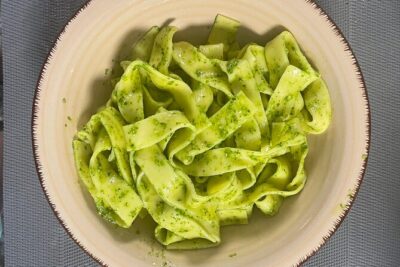
After mixing comes the part people remember: rolling and shaping. You get instruction for rolling the pasta dough and forming it into the classic shapes used in this region. In some sessions, guests describe making a pasta sometimes referred to as crazy napkins pasta, which adds a fun, slightly playful twist to the technique.
This is not a simple demo. You handle the dough. You roll it, you cut it, and you shape it under guidance. That is important, because pasta is one of those foods where your hands matter. If the sheet is too thick, it eats heavy. If it is too thin, it becomes fragile. The chef’s tips help you land in the sweet spot.
You will also likely learn small handling rules that prevent common issues. For example, pasta dough tends to react to dryness, heat, and time sitting out. Fresh pasta is forgiving, but it still rewards attention. And because the group size is small, you can get corrections early rather than after you finish the whole batch.
Then, once your pasta is shaped, you move from craft mode into meal mode. This transition is part of the charm. You are not leaving the work incomplete, you are turning it directly into lunch and eating it with everyone else in the class.
That is also why this is better than a pure tasting. Pasta-making teaches pacing: you work, you check, you adjust. Then you eat your own results at a relaxed table instead of rushing to the next stop.
Lunch with Wine, Aperitivo Bites, and Genoese Sweets
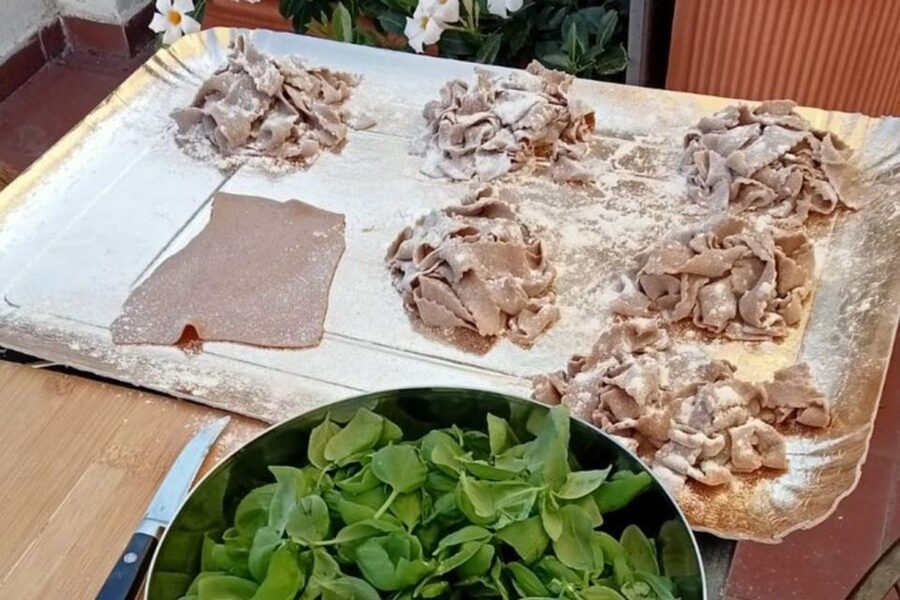
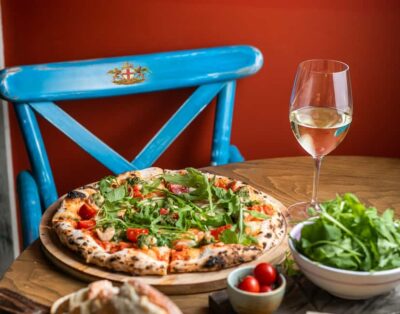
Now for the best part, eating. The meal is built around what you made, but it is not only pasta and pesto. You get a full spread of regional bites and drinks, which helps you experience Genoa as a food city, not just a pasta town.
Most classes include an aperitivo-style start. Guests describe warm focaccia and other small bites before the cooking begins. There may also be quiche or other snacks, and wine shows up with the lunch. You also taste a Genoese dessert at the end and toast with a local wine, finishing with a typical Genoese liqueur.
The rhythm is convivial. You sit down after the cooking, and the atmosphere is meant to feel friendly and relaxed, like being hosted for a long afternoon meal. Multiple guests mention Chef Alberto making everyone feel at home, and that matters. It changes the tone from workshop to dinner party.
One small planning note: terrace weather is not guaranteed. If it rains, the class can still be a great experience indoors, with the same warmth and plenty of appetite. Genoa’s weather can flip, so pack a flexible mindset, not just a rooftop dream.
Also, wine is included, which is great for the table feel. But if you are driving or prefer to limit alcohol, plan accordingly. This is an experience that includes drinks, so come in ready to enjoy them responsibly.
If you love dessert, take heart. Guests specifically call out tiramisu in some sessions. Even if the dessert details vary slightly, you will still end with a traditional Genoese sweet and the liqueur finish that makes the experience feel complete.
Price, Value, and What You Actually Learn for $105
At $105 per person for about 3 hours, this class costs more than a casual food tour. The value is in what is included and in how much time you personally spend on the cooking.
You are paying for four concrete things:
- A chef-led, hands-on pasta and pesto lesson, not a passive tasting
- The ingredients and all food and drinks, including wine, plus dessert and a Genoese liqueur
- A small group size (up to 8), which keeps the instruction practical
- A meal that you eat at the end, made from what you learned
In other words, you are paying for a guided experience that results in actual skills. Afterward, you can repeat pesto at home, and you can make fresh pasta with better technique because you practiced rolling and shaping under coaching.
There is also a nice extra that shows up in the experience details. One guest specifically notes that Chef Alberto sends recipes in the evening after class, at no extra charge. That is not just convenient, it helps you remember steps you would otherwise forget once you are back in your own kitchen.
Who this is best for:
- Couples who want a memorable shared activity and a satisfying lunch
- Solo travelers who want conversation and a small group dynamic
- Food lovers who care about regional technique, not just flavor
Who might not love it as much:
- Anyone who cannot handle stairs, since the apartment is on the 5th floor without an elevator
- People who want a purely sightseeing day, because this is time spent focused on cooking and eating
Filed beside this one, more wine tours in Genoa.
Should You Book This Genoa Pasta and Pesto Class?
If you want one of the most authentic, practical ways to understand Ligurian food, I would book it. The combination of hands-on pasta fresca, traditional pesto alla Genovese, and a full meal with wine makes the price feel fair. You are not just consuming, you are learning something you can repeat.
Choose this class especially if you like small-group experiences, you enjoy cooking, and you want to leave Genoa with skills, not just photos. Just make sure you are comfortable with stairs and old-city directions. If those check out, you will end the afternoon full, happy, and oddly proud of your own pasta shapes.
FAQ
How long is the cooking class in Genoa?
The class lasts about 3 hours.
What will I make during the class?
You will learn to make fresh pasta and basil pesto, starting with pesto and then preparing the pasta dough, rolling it, and shaping it.
Is wine included?
Yes. Food and drinks are included, and the meal is paired with local wine. The experience also includes dessert and a typical Genoese liqueur.
How big is the group?
It is a small group limited to 8 participants.
Where do I meet the chef?
The meeting point is Vico inferiore Valoria, Building 1, Apartment 11, Granara. If you cannot find it, use Google Maps for Cucina Valoria Restaurant, then go to the entrance of Vico inferiore Valoria on the left of the square and ring number 11 named Granara.
Is the apartment accessible by wheelchair?
No. The apartment is on the 5th floor and there is no elevator, and the experience is not suitable for wheelchair users.
Other Wine Tours in Genoa From Our Notebook
Our Wider Genoa and Ligurian Riviera Outings File for Genoa
Not quite the day you had in mind? The rest of our Genoa write-ups sit below
- Aquarium of Genoa Ticket and Whale Watching Cruise★ 4.2 · 170 reviews
- Genoa: Historic Guided Tour of Christopher Columbus’ House★ 4.4 · 186 reviews
- Genoese cooking lesson in the with lunch in the terrace★ 5.0 · 189 reviews
- Genoa: Aquarium, Galata Museum and Submarine Entry Tickets★ 4.6 · 190 reviews
- Genoa Food, Wine Tasting & History Walking Tour★ 5.0 · 212 reviews
- Genoa: Food and Wine Tasting Walking Tour★ 4.9 · 215 reviews
- Genova: Homemade Pasta & Pesto Local Chef Class with Wine★ 5.0 · 217 reviews
- Genoa: Impossible Museum Entry Ticket★ 4.2 · 226 reviews
- 2 Hours Private Historical Tour in Genoa★ 5.0 · 248 reviews
Genoa & the Ligurian Riviera, top to bottom.
 ★ 4.5Genoa: Aquarium of Genoa Entry TicketFrom $3510,075 reviews
 ★ 4.4Genoa: Full-Day Tour to Camogli, San Fruttuoso & PortofinoFrom $243,295 reviews
 ★ 4.0Genoa: Hop-on Hop-off Tour TicketFrom $261,524 reviews
 ★ 4.3Genoa: Aquarium of Genoa with LunchFrom $421,449 reviews
 ★ 4.2Genoa: Half-Day Tour to PortofinoFrom $301,123 reviews
 ★ 4.2Genoa: Pelagos Sanctuary Whale Watching CruiseFrom $51806 reviews
 ★ 4.3Genoa: Cetacean Watching Cruise with Marine Biologist GuideFrom $53745 reviews
 ★ 4.2Genoa: 2-Hour Guided Walking Tour of the Historical CenterFrom $16605 reviews