
Reviewed · GENOA & THE LIGURIAN RIVIERA
Genoa Food, Wine Tasting & History Walking Tour
Genoa tastes better than it looks. I love how this food and wine walking tour pairs real local bites with major landmarks, from the Columbus area to the grand palaces and churches of old Genoa. You get a guided stroll that feels like learning the city through your stomach, not a museum checklist.
What I like most is the small-group size (max 15), which keeps the pace human and your questions welcome. I also like that you’re not just sampling, you’re getting short stories that connect each dish to Genoese life and the old power centers around you. One consideration: Genoa is hilly, and this is mostly standing and walking, so comfy shoes matter, and the fried fish option can be heavy if you have a sensitive stomach.
In This Review
- Why This Genoa Food Walk Works So Well
- Columbus, Power, and Street Food: The Two-Hour Game Plan
- Casa di Cristoforo Colombo: Starting With Genoa’s Big Story
- Palazzo Ducale: When Politics Meets Architecture
- San Lorenzo Cathedral: A Pause That Feels Like Part of the Meal
- Palazzo San Giorgio and Its Fresco: The Art-Led Side of Genoa
- Walking Through Noble Palaces: How the Route Builds Understanding
- The Tastings: Focaccia, Farinata, Pesto, Panera, Fried Fish
- Focaccia and farinata
- Pesto
- Panera
- Pesce fritto
- Ligurian Wine: Intro, Not a Sommelier Exam
- Guide Style: Expect Stories and Personality
- Price and Value: Why This Costs What It Costs
- Who Should Book This Genoa Tour, and Who Might Not
- Should You Book Genoa Food, Wine Tasting, and History?
- FAQ
- FAQ
- How long is the Genoa Food, Wine Tasting & History walking tour?
- What does the tour cost, and what’s included in that price?
- Where do you meet, and where does the tour end?
- Is the tour suitable for vegan or vegetarian diets?
- Is this a walking tour, and how big is the group?
- What is the cancellation policy?
Why This Genoa Food Walk Works So Well
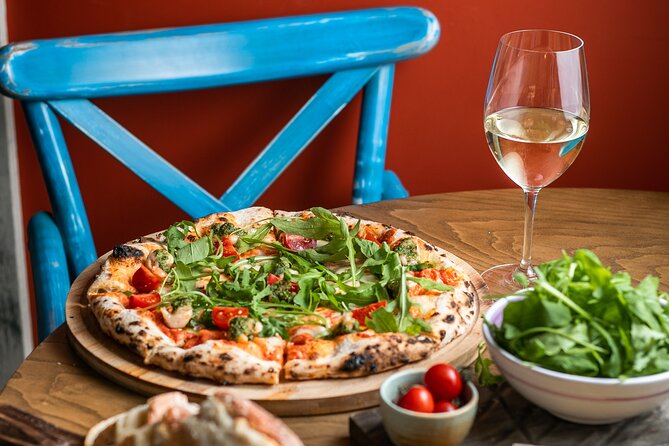
- Five Genoese staples, not random snacks, built around focaccia, farinata, pesto, panera, and pesce fritto
- Two Ligurian wines included, chosen for local style, not a formal winemaking lecture
- Historic stops that match the food theme, with palaces and church visits tied to Genoa’s past
- A guide-driven route that often includes off-the-beaten-side streets and quieter corners
- Dietary flexibility (vegan, vegetarian, family and pet friendly), with menu adjustments based on your needs
- A 2-hour timing sweet spot so you still have energy to explore Genoa after
Columbus, Power, and Street Food: The Two-Hour Game Plan
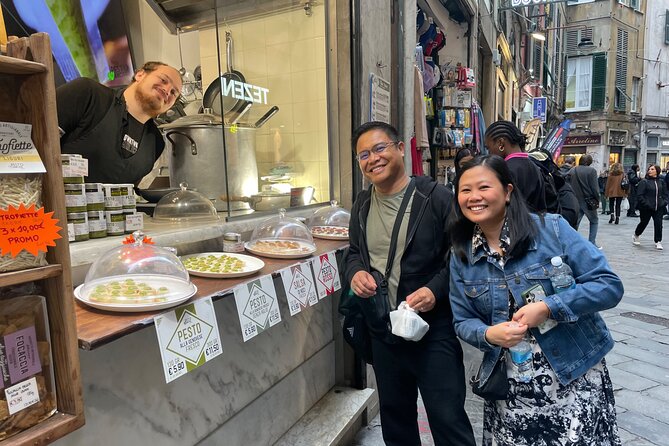
This is a 2-hour walking tour designed to hit the highlights fast, while still giving you enough time to eat. The meeting point is at Casa di Cristoforo Colombo in the old lanes near Vico Dritto di Ponticello, 37. You finish near Via Garibaldi, one of the most famous stretches for Genoese architecture.
The flow matters here. You start in the Columbus orbit, then move into the city’s political heartbeat with big-palace stops, then end up walking through the atmosphere of noble Genoa while you taste your way through regional favorites. It’s not a sit-down meal. It’s street-style tasting in historic places.
Because this is a culinary walk, expect you’ll be on your feet for much of the time. That’s the tradeoff for eating what locals actually eat in public spaces.
If the dates do not line up, these Genoa and Ligurian Riviera outings in Genoa are reviewed too.
- Genoa: Aquarium of Genoa Entry Ticket
★ 4.5 · 10,075 reviews - Genoa: Hop-on Hop-off Tour Ticket
★ 4.0 · 1,524 reviews - Genoa: Half-Day Tour to Portofino
★ 4.2 · 1,123 reviews - Genoa: Pelagos Sanctuary Whale Watching Cruise
★ 4.2 · 806 reviews
Casa di Cristoforo Colombo: Starting With Genoa’s Big Story
Your tour begins at Casa di Cristoforo Colombo, at Vico Dritto di Ponticello. Even if you are not a pure-history person, this starting point helps you frame Genoa quickly. It sets the tone: this city was outward-looking, tied to maritime travel and global connections long before modern tourism.
What I find smart about starting here is that it gives context before the food stops. Genoa’s cuisine makes more sense once you remember the city’s role as a trading hub. The sea, the markets, and the working neighborhoods all shape what ends up on a Genovese plate.
Practical tip: arrive a few minutes early. The first minutes matter because you’ll want to settle in, listen, and start tasting without rushing.
Palazzo Ducale: When Politics Meets Architecture
Next you admire Palazzo Ducale, the seat of power in ancient Genoa. This is one of those places where the stones tell you you’re in the old world of ships, merchants, and decisions that affected the whole region.
Even though you are not going inside as part of the core format, the visual impact is the point. You’ll see why this city built grand spaces for governance and trade. It also helps you understand why Genoa’s nobility loved to live close to the center of power.
Connection to the food: Genoa’s street classics developed in a place where people needed quick, filling meals during busy days. Later stops build that theme, but Ducale is a good warm-up.
If you prefer history that moves at a walking pace, you’re in the right spot. You’ll get enough background to follow the next stops without drowning in details.
San Lorenzo Cathedral: A Pause That Feels Like Part of the Meal
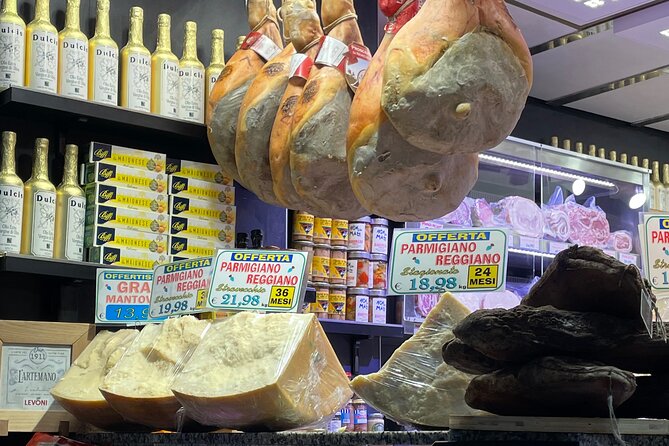
Then you visit San Lorenzo Cathedral, the most important church in Genoa. This stop works well because it changes the rhythm. After streets and palaces, the cathedral gives you a sense of scale and ceremony.
It also gives your guide a chance to connect Genoa’s civic identity to its religious life. In a city like this, those worlds were linked. Even the way people gathered, celebrated, and funded art and architecture tells you how Genoa organized itself.
What to watch for: look up, and take in the interior atmosphere if you go inside. Church visits on food tours can feel random, but here it serves the storyline. You’ll end up with a better sense of why the city’s architecture and flavors coexist so naturally.
Palazzo San Giorgio and Its Fresco: The Art-Led Side of Genoa
Your tour continues to Palazzo San Giorgio, known for its magnificent fresco. This stop leans more artistic than civic, and that balance is helpful. Genoa is not only politics and trade. It’s also visual identity, painted stories, and elite patrons.
A fresco stop is a good reminder that Genoese wealth did not just build ships. It built walls meant to impress. That’s part of why your food tastes feel tied to place. You are tasting a working city, but you are learning the backdrop that made the city rich enough to develop all its traditions.
If you like architecture, you’ll probably enjoy this part a lot. If you don’t, it still acts like a mental rest break before the final stretch.
Walking Through Noble Palaces: How the Route Builds Understanding
After the named landmarks, you journey through Genoa’s history and discover the palaces of the nobility in their splendor. This is the section that often feels the most “local,” because you’re not just ticking off famous buildings. You’re getting the sense of how a neighborhood functioned, how streets connected, and how power sat close to everyday life.
This is also where you might notice the tour style. The route tends to include smaller lanes and quieter corners. Some guides also add little detours if they can, like making room for a short request toward the port. That sort of flexibility is one reason people get such strong results from this specific format.
But keep expectations realistic: this is still a short walk. You’re getting a guided overview, not a full neighborhood study.
Our reviewers also walked through other food outings in Genoa.
The Tastings: Focaccia, Farinata, Pesto, Panera, Fried Fish
Now for the reason you booked this. You’ll do 2 hours of food and wine tasting with a local guide, and you’ll try 5 typical dishes from Genoa: focaccia, farinata, pesto, panera, and pesce fritto.
Focaccia and farinata
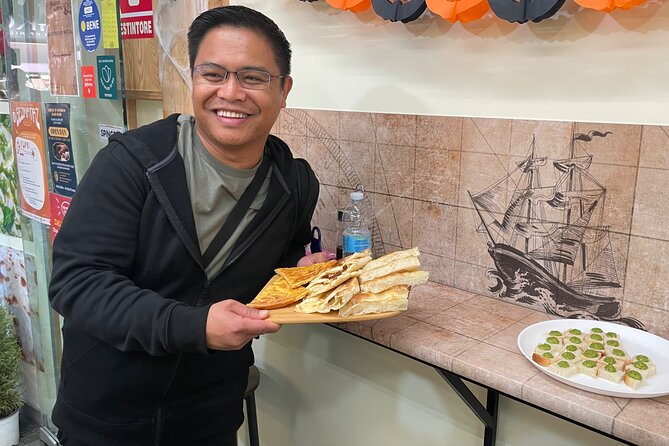
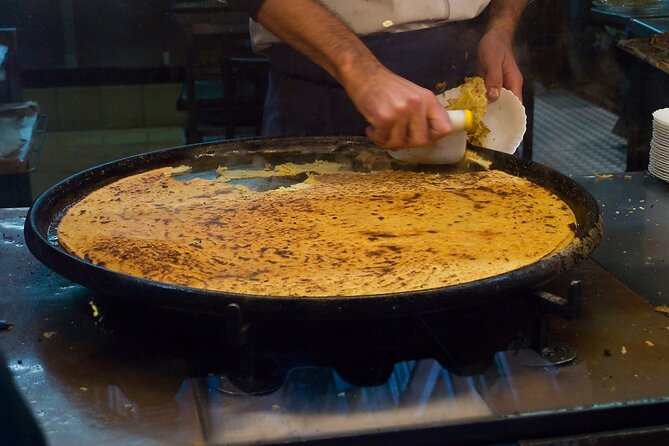
Focaccia is the warm, bready anchor. Farinata is the chickpea-pan classic, often served as a savory slice that’s crispy at the edges. Together, they give you a clear picture of why Genoese snacking works. It’s quick, filling, and made for eating in streets and piazzas.
Pesto
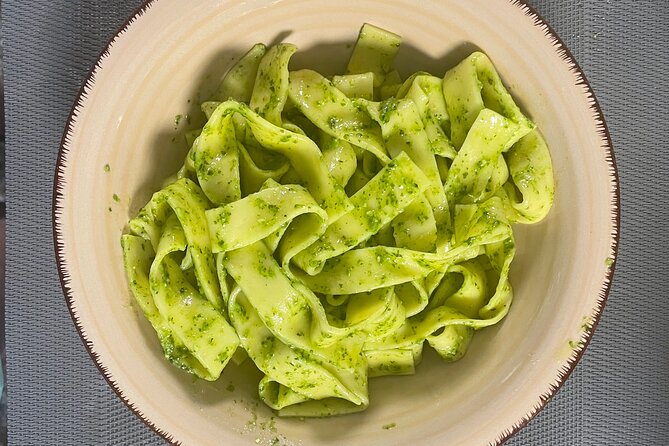
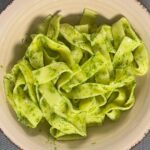
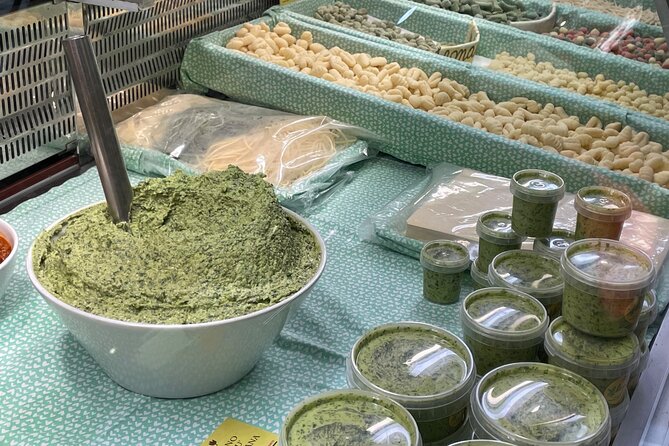
Pesto is the obvious headline, but it’s also a good test of what matters here. On this tour, it’s treated as part of regional identity, not just a condiment. You get context on what makes it Genoese and how it fits into local meals.
Panera
Panera refers to a local sweet or gelato-like treat in this context, and you’ll likely get something along those lines during the tastings. It’s a nice pause between savory hits and the more stomach-forward fried option.
Pesce fritto
Pesce fritto is the one I’d flag as a possible downside. It tastes great in the moment. It can also sit heavy later if you’re sensitive. That’s not a tour flaw. It’s just fried fish doing what fried fish does.
If you know you get digestion issues with fried food, you can mention it when you share dietary or preference needs.
Ligurian Wine: Intro, Not a Sommelier Exam
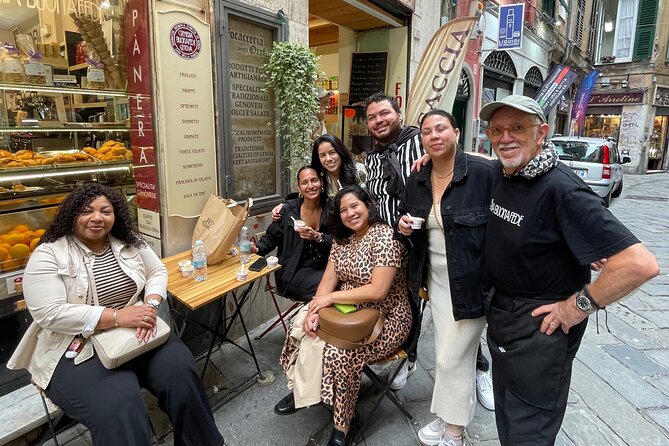
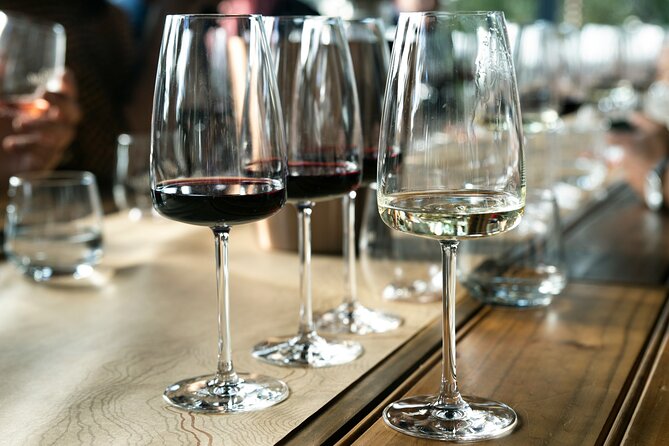
You also taste 2 of the best Ligurian wines included. The goal is to introduce you to typical Ligurian bottles and producers, with enough guidance to understand what you’re drinking and why it pairs with the snacks.
If you expect a formal wine production masterclass, you might feel slightly underwhelmed. The tour format aims for an approachable tasting, and your guide tends to focus more on connection to place than on technical wine deep-diving.
That said, many people really enjoy this part because it finishes the meal with a taste of Liguria’s style, not just generic Italian red and white.
Guide Style: Expect Stories and Personality
Most of the reviews you’ll see for this tour name Lorenzo as the guide, and one review also mentioned Franco. Whoever you get, the pattern is similar. Expect conversation, local storytelling, and a guide who can point out details you would skip on your own.
One standout theme in the feedback is pacing. People mention a good walk rhythm with enough time to eat without feeling herded. Another theme is friendliness and accommodation. One person noted help with accessibility for a grandmother, which matters because it signals you’re not just a number.
Practical tip for you: bring questions. Ask why that particular dish belongs in Genoa, or what locals do with it. Your guide can usually turn an answer into a mini-story.
Price and Value: Why This Costs What It Costs
At $71.38 per person for about 2 hours, this tour isn’t the cheapest snack walk in Italy. But it does include real value that adds up:
- 5 Genoese dishes (not just bites)
- 2 wine tastings
- A guided history walk through major landmarks plus smaller lanes
- Dietary options supported (vegan, vegetarian, family and pet friendly), with menu based on preferences or needs
For many travelers, the “value math” works like this. You’d spend money anyway on focaccia, farinata, pesto snacks, a dessert, plus at least one drink. Add in that you’re also paying for the guided route and context across multiple landmarks, and the price starts to make sense.
Also, the max 15 travelers size is a hidden value factor. Smaller groups tend to mean shorter waits at food stops and more back-and-forth with the guide.
Who Should Book This Genoa Tour, and Who Might Not
This works best for you if:
- You want food plus history in one package, with a walking route you can later explore on your own.
- You like regional classics like focaccia, farinata, pesto, and pesce fritto.
- You’d rather spend time on streets and churches than only in a museum.
You might rethink it if:
- You hate walking and hills. Genoa’s built on steep angles, so plan for up and down.
- You want a seated tasting menu with full course pacing.
- You are looking for a deeply technical wine seminar. This is more “local introduction” than “wine class.”
Should You Book Genoa Food, Wine Tasting, and History?
If you have a day that’s short on time and long on curiosity, I think this is a very smart way to get oriented. You leave knowing what Genoa tastes like, and you also leave understanding why the city’s palaces and churches matter.
Book it if you want a high-value, concentrated experience: good food, included wine, and major sights stitched together by a guide who clearly loves telling Genoa’s story. Just do yourself a favor and wear comfortable shoes, and consider mentioning any fried-food sensitivities when you confirm your menu needs.
FAQ
FAQ
How long is the Genoa Food, Wine Tasting & History walking tour?
It’s listed as about 2 hours.
What does the tour cost, and what’s included in that price?
The price is $71.38 per person. The tour includes 2 hours of food and wine tasting, a local guide, 5 typical Genoese dishes (focaccia, farinata, pesto, panera, pesce fritto), 2 Ligurian wines, and the menu can be adjusted based on your preferences or needs.
Where do you meet, and where does the tour end?
You start at Casa di Cristoforo Colombo, Vico Dritto di Ponticello, 37, 16121 Genova GE, Italy. The tour ends at Via Garibaldi, Genova GE, Italy.
Is the tour suitable for vegan or vegetarian diets?
Yes. The tour is described as vegan and vegetarian friendly, and the menu is based on your preferences or needs. You will be contacted after booking to address special dietary requirements.
Is this a walking tour, and how big is the group?
It’s an in-person walking tour. The group size is capped at a maximum of 15 travelers.
What is the cancellation policy?
There is free cancellation. You can cancel up to 24 hours in advance for a full refund, with local-time cutoffs, and cancellations inside 24 hours are not refunded. The experience requires good weather, and if it’s canceled due to poor weather, you’ll be offered a different date or a full refund.
Our Wider Tours File for Genoa
Our Wider Genoa and Ligurian Riviera Outings File for Genoa
Not quite the day you had in mind? The rest of our Genoa write-ups sit below
- Aquarium of Genoa Ticket and Whale Watching Cruise★ 4.2 · 170 reviews
- Genoa: Historic Guided Tour of Christopher Columbus’ House★ 4.4 · 186 reviews
- Genoese cooking lesson in the with lunch in the terrace★ 5.0 · 189 reviews
- Genoa: Aquarium, Galata Museum and Submarine Entry Tickets★ 4.6 · 190 reviews
- Genoa Food, Wine Tasting & History Walking Tour★ 5.0 · 212 reviews
- Genoa: Food and Wine Tasting Walking Tour★ 4.9 · 215 reviews
- Genova: Homemade Pasta & Pesto Local Chef Class with Wine★ 5.0 · 217 reviews
- Genoa: Impossible Museum Entry Ticket★ 4.2 · 226 reviews
- 2 Hours Private Historical Tour in Genoa★ 5.0 · 248 reviews
Genoa & the Ligurian Riviera, top to bottom.
 ★ 4.5Genoa: Aquarium of Genoa Entry TicketFrom $3510,075 reviews
 ★ 4.4Genoa: Full-Day Tour to Camogli, San Fruttuoso & PortofinoFrom $243,295 reviews
 ★ 4.0Genoa: Hop-on Hop-off Tour TicketFrom $261,524 reviews
 ★ 4.3Genoa: Aquarium of Genoa with LunchFrom $421,449 reviews
 ★ 4.2Genoa: Half-Day Tour to PortofinoFrom $301,123 reviews
 ★ 4.2Genoa: Pelagos Sanctuary Whale Watching CruiseFrom $51806 reviews
 ★ 4.3Genoa: Cetacean Watching Cruise with Marine Biologist GuideFrom $53745 reviews
 ★ 4.2Genoa: 2-Hour Guided Walking Tour of the Historical CenterFrom $16605 reviews