
Reviewed · GENOA & THE LIGURIAN RIVIERA
Genoa: Cetacean Watching Cruise with Marine Biologist Guide
A day on the water, with whales as the goal. This Pelagos Sanctuary cruise is built around serious spotting, guided by a marine biologist who helps you understand what you are seeing out there. If you like nature that feels real, not staged, this is a strong pick.
I especially like that you get a real briefing before the hunt, so the time on the sea makes sense. You also get guided help spotting different species and noticing feeding and social behavior instead of just scanning for a fin and hoping.
One possible drawback to plan for: the tour runs about 4.5 hours, so if you are sensitive to boat time, bring your patience (and the right clothing). Even with the calmest seas, it is still a half-day on open water.
In This Review
- Key things to know before you go
- Genoa and the Pelagos Sanctuary, why this cruise works
- The 4.5-hour schedule, and what each phase means for you
- Meeting at the start of the Aquarium Pier
- Pelagos Sanctuary, the main viewing window
- The observation style, and why it matters
- Time on the sea can feel long, plan accordingly
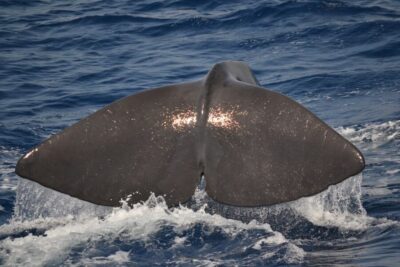
- What you might see, from fin whales to dolphin pods
- How behavior changes what you notice
- Photos you can actually use, plus spotting tips
- Price and value: what $53 buys you
- The comfort basics, boat life in real terms
- Language: helpful, with one caveat
- Questions and conservation context, what the guide adds
- When it might not match your vibe
- Should you book the Genoa cetacean cruise?
- FAQ
- How long is the Genoa cetacean watching cruise?
- Where do I meet for the tour?
- Are cetacean sightings guaranteed?
- What kinds of whales and dolphins can you see?
- What’s included in the price?
- Are snacks and drinks included?
Key things to know before you go
- Marine biologist-led spotting helps you read behavior, not just silhouettes
- Non-disturbance approach means sightings are observed, not forced
- Common cetacean odds are high (listed as 95%), but sightings still cannot be guaranteed
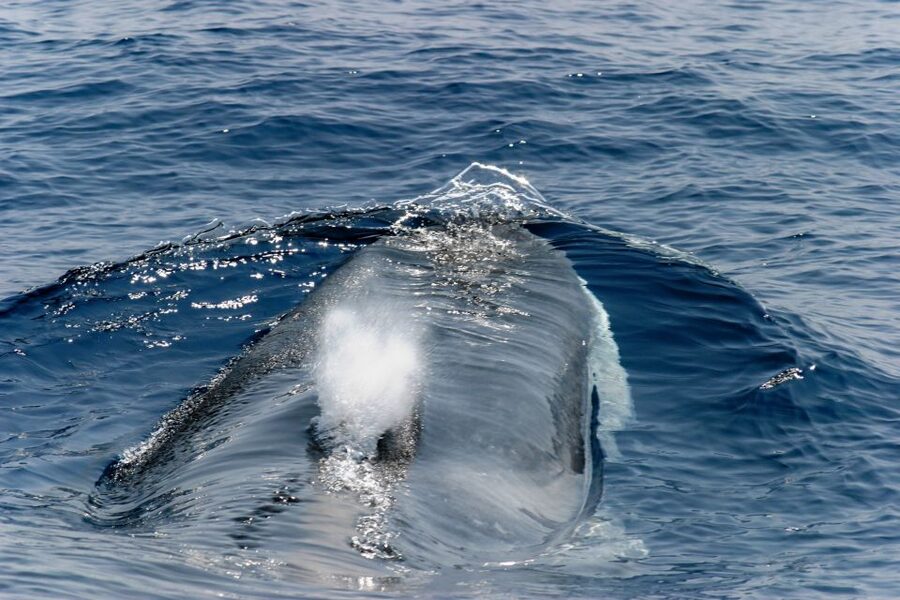
- Pelagos species roster includes fin whales, sperm whales, Cuvier’s beaked whales, and several dolphin species
- Bar service onboard is available, but snacks and drinks are not included
- Photo-friendly moments happen when pods surface, breach, or move close to the boat
Genoa and the Pelagos Sanctuary, why this cruise works
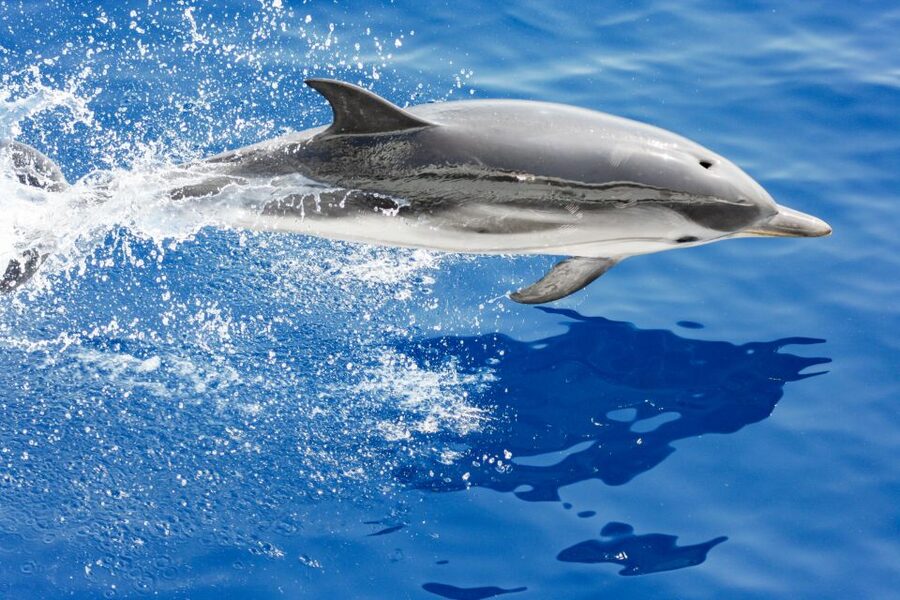
Genoa is a solid jumping-off point for the Tyrrhenian Sea, but the real reason this cruise feels worth your time is the location: the Pelagos Sanctuary. This is one of the places where cetaceans show up often enough to make a guided day on the water practical, not just wishful.
What I like about the setup is the focus. You are not being shuttled from one quick stop to another. Instead, you spend the day searching in the sanctuary’s best areas, then using the guide’s knowledge to turn brief surface moments into something you can actually understand.
If the dates do not line up, these Genoa and Ligurian Riviera outings in Genoa are reviewed too.
- Genoa: Aquarium of Genoa Entry Ticket
★ 4.5 · 10,075 reviews - Genoa: Hop-on Hop-off Tour Ticket
★ 4.0 · 1,524 reviews - Genoa: Half-Day Tour to Portofino
★ 4.2 · 1,123 reviews - Genoa: Pelagos Sanctuary Whale Watching Cruise
★ 4.2 · 806 reviews
The 4.5-hour schedule, and what each phase means for you
This is a half-day cruise, about 4.5 hours in total, centered on marine mammal viewing in the Pelagos Sanctuary. The pacing is simple, but it matters: you want enough time on the sea to have multiple opportunities for sightings, since whales and dolphins do not follow a clock.
Meeting at the start of the Aquarium Pier
You meet at your partner’s ticket office located at the beginning of the Aquarium Pier (Ponte Spinola), on the left side. You should arrive at least 15 minutes early so you have time for check-in before departure.
In practice, early arrival helps more than you think. You want time to get oriented, find your seat, and get settled before the boat heads out. If you show up late, you will feel rushed, and spotting is easier when you are not juggling bags and small logistics.
Pelagos Sanctuary, the main viewing window
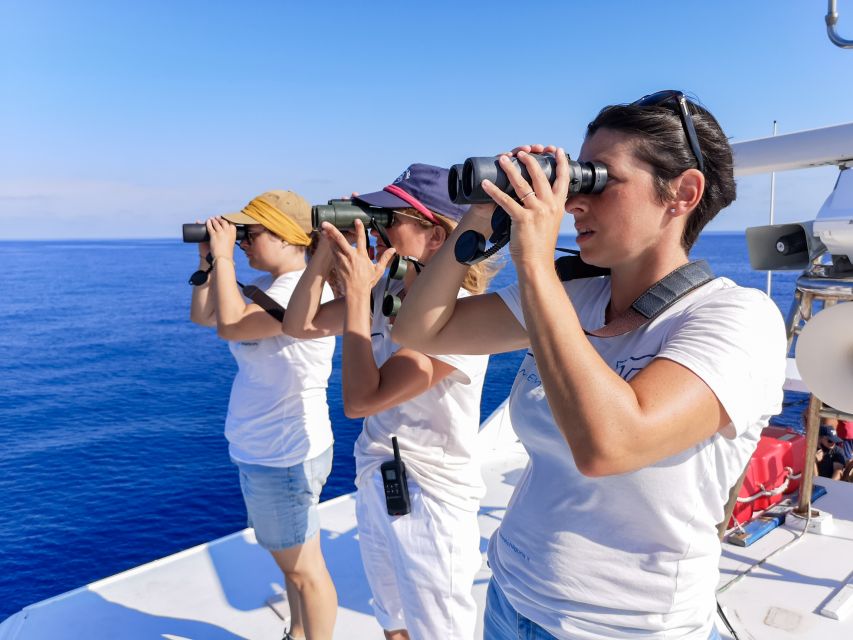
Once you are underway, your guide provides an introductory briefing about the sanctuary, including its history, conservation programs, and the species you might encounter. Then the cruise moves to favorable areas for spotting.
This is where the marine biologist format pays off for you. Instead of only hearing generic facts, you can use that briefing while scanning the water. When a distant breach happens or a pod comes into view, the guide’s explanations help you understand what you are likely seeing and why it is behaving that way.
The observation style, and why it matters
The tour follows non-disturbance directives, so the boat approaches in a way designed to avoid pushing the animals. That means your goal is to observe natural behavior: dolphins breaching or moving in groups, whales surfacing and diving, and other in-water activity.
From a visitor perspective, this is the right tradeoff. You might not get the closest possible view, but you get something better in return, which is less stress for the animals and a more responsible experience that stays focused on learning.
Time on the sea can feel long, plan accordingly
The cruise runs 4.5 hours, and you should treat that as real half-day time, not a quick activity. Indoors and outdoors seating are available, and there is onboard toilet access, which makes the time easier to manage. Still, plan for the fact that you may not have nonstop action the whole way.
If you get motion sickness easily, bring what you normally use. If you handle boats fine, you will likely appreciate the slower rhythm, because wildlife spotting is rarely constant.
A short passeggiata through our other boat tours and cruises in Genoa.
What you might see, from fin whales to dolphin pods

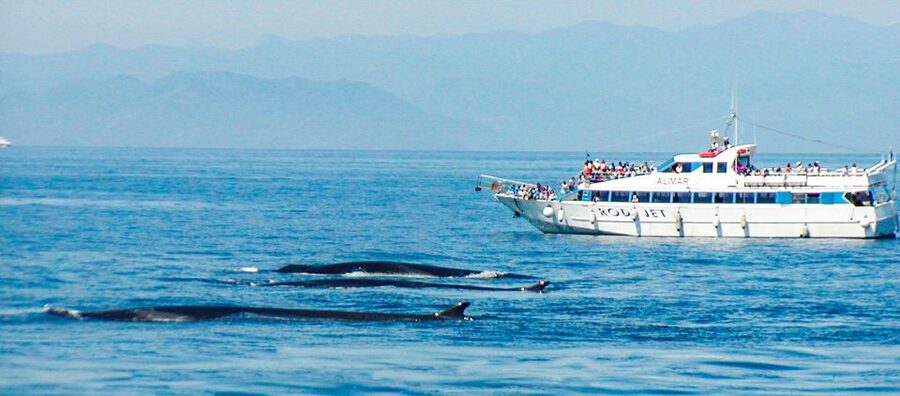
The experience is designed around multiple cetacean species in the sanctuary. Sightings of listed cetaceans are described as common, around 95%, but they still cannot be guaranteed.
Here is what the tour explicitly lists as possible:
- Fin whale
- Sperm whale
- Cuvier’s beaked whale
- Risso’s dolphin
- Long-finned pilot whale
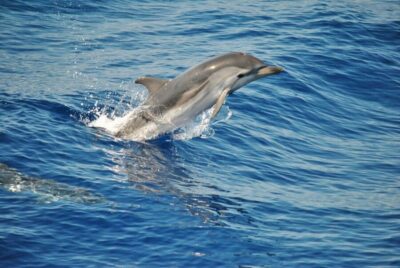
- Striped dolphin
- Bottlenose dolphin
- Short-beaked common dolphin
What I think is useful for you here is to adjust expectations in a smart way. A whale sighting is often a short event, then nothing for a bit. Dolphins may be more frequent and sometimes appear in larger groups. So your day might swing between dramatic, brief moments and longer stretches of scanning.
How behavior changes what you notice
A good marine biologist guide changes your whole viewing experience. You will likely learn what these animals eat, how they move, and what kinds of behavior can hint at feeding or social interaction.
That matters because “spotting” becomes more than finding a spout. When you understand behavior, you start noticing patterns like grouping, surfacing intervals, and how pods interact around the boat, when they do.
Photos you can actually use, plus spotting tips
If you care about photos, this type of cruise is built for it. When a pod surfaces, breaching or jumping can happen fast, and you get repeated chances while you are searching the right areas.
A couple practical things to help you get better shots:
- Dress for cool wind, because open water can feel colder than you expect.
- Have your camera or phone ready when you hear instructions from the crew, not after you think you saw something.
- Look beyond the animal itself, try to frame the water action around it (spray, direction of travel, group movement).
Also, keep in mind that the animals can be distant at first. You may see the first hint from far away, then the pod or whale moves into a better line of sight. That is why staying focused for the full cruise pays off.
Price and value: what $53 buys you
At $53 per person for a 4.5-hour cruise with an expert marine biologist guide, the value is in the combination: time on the water plus interpretation. You are not just paying for a boat ride, you are paying for someone trained to help you understand what is happening.
Why that matters: whale watching can otherwise become a frustrating game of spotting. You might still enjoy it without the biology angle, but the guide improves your odds of leaving with real understanding, even if a particular species stays out of reach.
What is not included is also important. Snacks and drinks are not included, though there is bar service onboard. Plan to buy what you need, or bring your own snacks only if the operator allows it, but in the provided information, snacks are listed as not included, so treat it as pay-onboard.
The comfort basics, boat life in real terms
You will want to feel comfortable enough to focus on spotting.
From the information provided:
- Comfortable shoes and comfortable clothes are recommended
- Bring weather-appropriate clothing
- Smoking is not allowed
- Pets are not allowed
- The tour is wheelchair accessible
Onboard conveniences from a recent experience include that there is toilet access, and there are seating areas inside and outside. That means you can swap between fresh air and sheltered comfort as conditions change.
Language: helpful, with one caveat
Guides provide live interpretation in Italian and English. That is great for mixed-language groups. Just be aware that clarity can vary by day and by speaking style, and if you are picky about English scientific explanations, it is worth going in with flexibility.
Questions and conservation context, what the guide adds
One of the best parts of this kind of tour is that you are not limited to watching. You can ask questions about the sanctuary and its animal species, and the experience includes learning about the Pelagos Sanctuary’s conservation efforts and programs.
This is not just trivia. When you understand what protections exist in the Pelagos Sanctuary, you can see the day’s sightings as part of a larger effort, not random luck. You leave with a clearer picture of why these species show up where they do, and why respectful viewing matters.
When it might not match your vibe
This cruise is a great fit if you:
- Want a guided, educational approach to marine wildlife
- Like photo opportunities and watching behavior, not just quick sightings
- Can handle 4.5 hours on the sea
It may feel less ideal if:
- You dislike longer boat time, since 4.5 hours can feel like a lot
- You expect a guaranteed specific whale species (the tour lists multiple possible species, and sightings are common but not guaranteed)
- You are sensitive to announcement volume, since guided narration and audio instructions can be intense at times
Should you book the Genoa cetacean cruise?
I think this is a smart booking for most people who are excited about real wildlife and want a guide to help them make sense of it. The biggest reasons to say yes are the marine biologist format and the fact that cetacean sightings are listed as common, around 95%. Add a strong chance of memorable photo moments from breaches and pod activity, and the value at $53 starts to make sense.
Book it if you can dress for the sea, stay patient through scanning time, and treat sightings as a natural, not guaranteed, wildlife event. If your main goal is a single dream species only, bring flexibility, because the sanctuary is home to several animals and your day depends on what is active where the boat is searching.
If you are okay with that, this is the kind of half-day excursion that can turn a quick port stop into a story you will actually remember, because you learned what you were seeing along the way.
FAQ
How long is the Genoa cetacean watching cruise?
The duration is 4.5 hours.
Where do I meet for the tour?
Meet at the local partner ticket office at the beginning of the Aquarium Pier, Ponte Spinola, on the left side. Arrive at least 15 minutes early.
Are cetacean sightings guaranteed?
No. Sightings are described as common (95%), but they are not guaranteed.
What kinds of whales and dolphins can you see?
The tour lists fin whales, sperm whales, Cuvier’s beaked whales, Risso’s dolphins, long-finned pilot whales, striped dolphins, bottlenose dolphins, and short-beaked common dolphins.
What’s included in the price?
Included are the marine mammal-watching experience and an expert marine biologist guide.
Are snacks and drinks included?
No. Snacks and drinks are not included, but bar service is available onboard.
Further Boat Tours and Cruises We Cover in Genoa
Our Wider Genoa and Ligurian Riviera Outings File for Genoa
Not quite the day you had in mind? The rest of our Genoa write-ups sit below
- Aquarium of Genoa Ticket and Whale Watching Cruise★ 4.2 · 170 reviews
- Genoa: Historic Guided Tour of Christopher Columbus’ House★ 4.4 · 186 reviews
- Genoese cooking lesson in the with lunch in the terrace★ 5.0 · 189 reviews
- Genoa: Aquarium, Galata Museum and Submarine Entry Tickets★ 4.6 · 190 reviews
- Genoa Food, Wine Tasting & History Walking Tour★ 5.0 · 212 reviews
- Genoa: Food and Wine Tasting Walking Tour★ 4.9 · 215 reviews
- Genova: Homemade Pasta & Pesto Local Chef Class with Wine★ 5.0 · 217 reviews
- Genoa: Impossible Museum Entry Ticket★ 4.2 · 226 reviews
- 2 Hours Private Historical Tour in Genoa★ 5.0 · 248 reviews
Genoa & the Ligurian Riviera, top to bottom.
 ★ 4.5Genoa: Aquarium of Genoa Entry TicketFrom $3510,075 reviews
 ★ 4.4Genoa: Full-Day Tour to Camogli, San Fruttuoso & PortofinoFrom $243,295 reviews
 ★ 4.0Genoa: Hop-on Hop-off Tour TicketFrom $261,524 reviews
 ★ 4.3Genoa: Aquarium of Genoa with LunchFrom $421,449 reviews
 ★ 4.2Genoa: Half-Day Tour to PortofinoFrom $301,123 reviews
 ★ 4.2Genoa: Pelagos Sanctuary Whale Watching CruiseFrom $51806 reviews
 ★ 4.2Genoa: 2-Hour Guided Walking Tour of the Historical CenterFrom $16605 reviews
 ★ 4.5From Genoa: Boat Tour to Portofino with Free Time to ExploreFrom $30579 reviews
Filed under