
Reviewed · GENOA & THE LIGURIAN RIVIERA
Genoa: The City of Children and Young Museum Entry Ticket
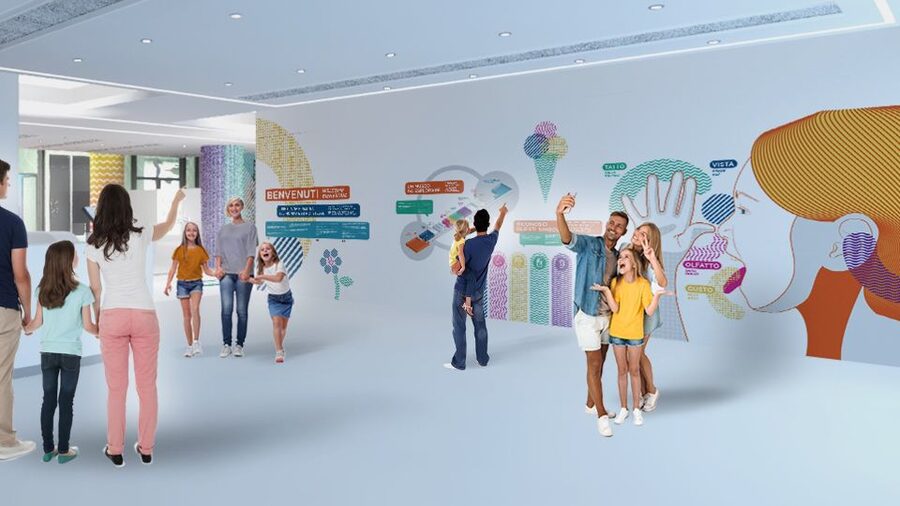
This museum turns your senses into the main event. With one entry ticket, you can roam through playful, interactive rooms built around five-sense experiences, plus there are plenty of prop moments designed for big, easy photos like the 3D nose setup.
One thing to keep in mind, though: at this price point, the space can feel small for some expectations, so timing and how fast your group moves will matter.
In This Review
- Key highlights to know before you go
- Where you enter, and what makes this museum different
- Five senses, five rooms, and the illusion mechanics
- What you’ll do with your eyes and hands
- What you’ll do with listening
- What you’ll do with smell and taste
- The selfie-proof installations that make planning easy
- How long it takes, and how to pace with kids
- The hearing workshop and the construction area reality check
- Price and value: is $14 a good deal?
- Why it’s worth it
- Why it can feel pricey
- Practical tips so your visit goes smoothly
- Should you book this ticket for Genoa?
- FAQ
- How long is the City of Children and Young Museum visit?
- What is the price per person?
- Where do I enter and show my ticket?
- Is the museum wheelchair accessible?
- Is this museum suitable for families and children?
- Are pets allowed inside the museum?
Key highlights to know before you go
- Five themed rooms, your choice of route: wander freely instead of following a strict path
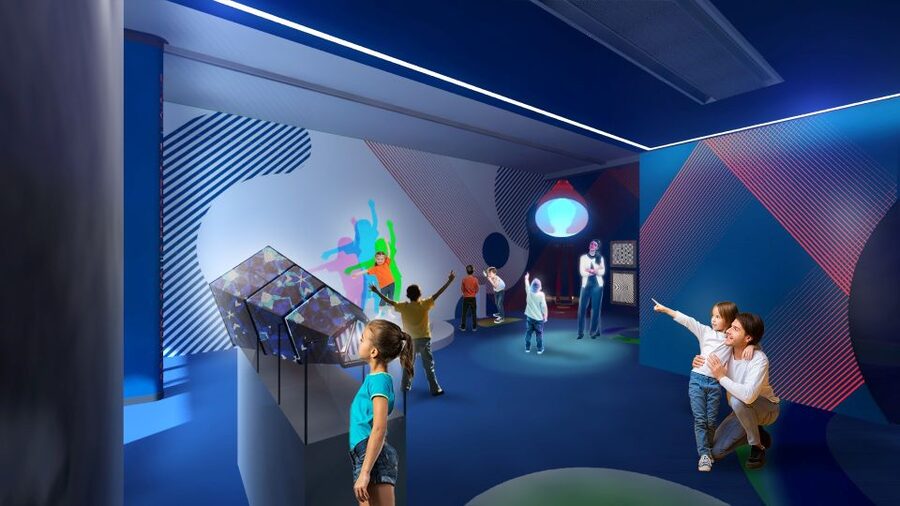
- Optical illusions that feel hands-on: mirrors, reflections, and shape tricks keep you testing your eyes
- Photo-friendly installations: props that are clearly made for selfie angles
- Sound and listening play: sound waves and an interactive hearing workshop add variety
- Smell and taste stations: you’ll get more than just seeing and touching
- Kids tend to love the energy: a family-focused design that works best with active kids
Where you enter, and what makes this museum different
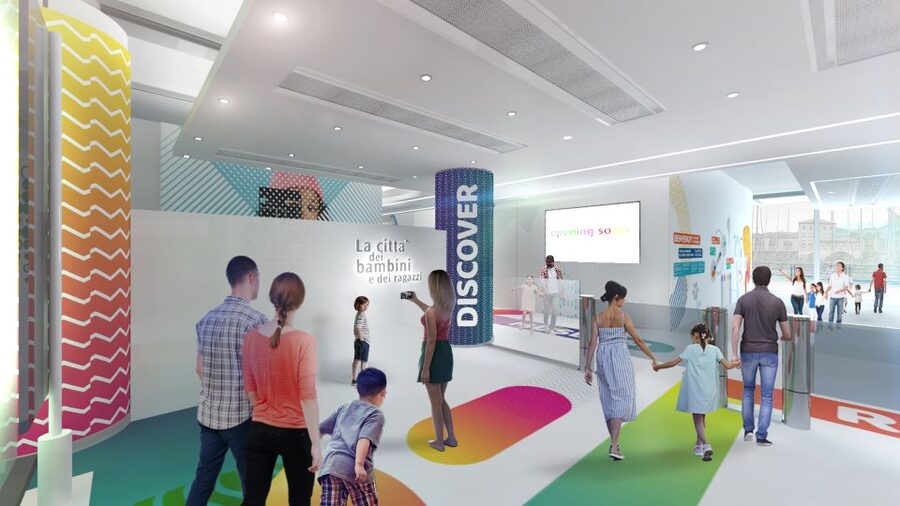
The City of Children and Young Museum is in Liguria, in Genoa, inside the same building as the Genoa Aquarium. You enter on the ground floor and show your ticket at arrival. That matters because you can plan your day fast, especially if you’re pairing this with aquarium time.
What makes this place different from the usual museum loop is the rules of the experience. Instead of quiet galleries and reading placards, you’re encouraged to play with the installations using your senses. It’s art, yes, but it also feels like a hands-on science and design playground. If your idea of a great museum includes getting close to displays, testing what you think you’re seeing, and moving from station to station, this fits.
This is also a good choice if your group includes kids who get restless. The pacing is built around short interactions. You can spend time where something catches your attention and skip what doesn’t.
If the dates do not line up, these Genoa and Ligurian Riviera outings in Genoa are reviewed too.
- Genoa: Aquarium of Genoa Entry Ticket
★ 4.5 · 10,075 reviews - Genoa: Hop-on Hop-off Tour Ticket
★ 4.0 · 1,524 reviews - Genoa: Half-Day Tour to Portofino
★ 4.2 · 1,123 reviews - Genoa: Pelagos Sanctuary Whale Watching Cruise
★ 4.2 · 806 reviews
Five senses, five rooms, and the illusion mechanics
The big promise here is that you’ll stimulate your senses as you move through the museum. You’ll find interactive themed rooms that you can do in any order. So you don’t need to worry about matching a strict schedule. You do, however, want to watch your group’s energy and pick a direction that keeps everyone interested.
Here’s what that looks like once you’re inside.
What you’ll do with your eyes and hands
A lot of the wow factor comes from optical illusions, especially the type that makes you wonder why your brain accepted the wrong information at first glance. Expect lots of kaleidoscope-style color and visual tricks that change depending on how you stand, how you move, or what you reflect off.
You’ll also see plenty of installations tied to reflections and mirrors. This is one of those setups where touching matters, but so does changing your angle. If you go with kids, it helps to take turns. One person tests the trick, the next person changes position and compares notes. That makes the play feel like a game instead of a line of attractions.
What you’ll do with listening
Sound shows up in a way that’s easy to understand through experience. You can interact with sound waves and test how shapes and tones feel in the space. There’s also a hearing workshop experience that’s interactive, and it’s announced regularly, which is genuinely helpful if you arrive with kids who might wander a bit before the session starts.
If you’re traveling with a child who loves music, rhythms, or making noise, you’ll likely gravitate toward the listening area more than you expect. It’s a nice change of pace from the visual-only rooms.
What you’ll do with smell and taste
This museum includes sensory stations for smell and taste. The smell experience is not just a vague idea of a scent. It’s interactive enough that it sticks with people. If you like hands-on learning, this is the part that makes the museum feel different from typical entertainment.
Taste is similar. You might not leave with a life-changing culinary education, but you will get to test the basics in a way that feels playful rather than clinical. It also makes the museum more memorable for kids because it’s unusual. Most attractions are only sight and sound. Here, they keep pushing into the other senses.
The selfie-proof installations that make planning easy

Let’s talk photos, because this museum is built for them. You’ll spot prop moments that are clearly designed to be photographed, including setups like the 3D nose and the playful lollipop displays. These are the kinds of installations where the angle matters, so you’re not just standing in front of something flat.
A practical tip: give yourself permission to pause. It’s tempting to race, especially if you think you must “see everything.” But the photo-friendly displays are part of the experience. Spend five minutes per highlight instead of ten seconds each. That’s how you get better results and also enjoy the sensory play instead of rushing through it.
Also, the museum does a good job mixing visual wow with actual interaction. That means your photos are not just selfies in front of a wall. You’re photographing a moment where something is happening, like reflections shifting as you move or an illusion that looks different from another viewpoint.
Kept in the same folder as this one, museum visits in Genoa.

How long it takes, and how to pace with kids
The ticket is designed for a visit around 1.5 hours. In real life, the time can stretch or shrink depending on your group. Some families move quickly through interactive rooms, while others get stuck on the same illusion station for an extra lap because it’s that fun.
One useful way to pace your visit is to treat it like five mini-attractions, not one marathon. Try this rhythm:
- Do one room slowly, so your group has time to test and react.
- Then do the next room faster, letting curiosity pull you back to the first room if you want.
- Leave a little buffer for photos and for any workshop session that’s announced.
If you’re traveling with kids around early school age, you’ll probably find the experience lands best when you can keep their focus moving from station to station. The more active they are, the more they’ll enjoy it.
One consideration from real visit patterns: the museum can feel like it finishes sooner than some people expect, especially if you’re moving efficiently. If you’re the type to want a long, slow museum day, consider pairing it with something nearby so you’re not tempted to stretch the visit just to fill time.
The hearing workshop and the construction area reality check
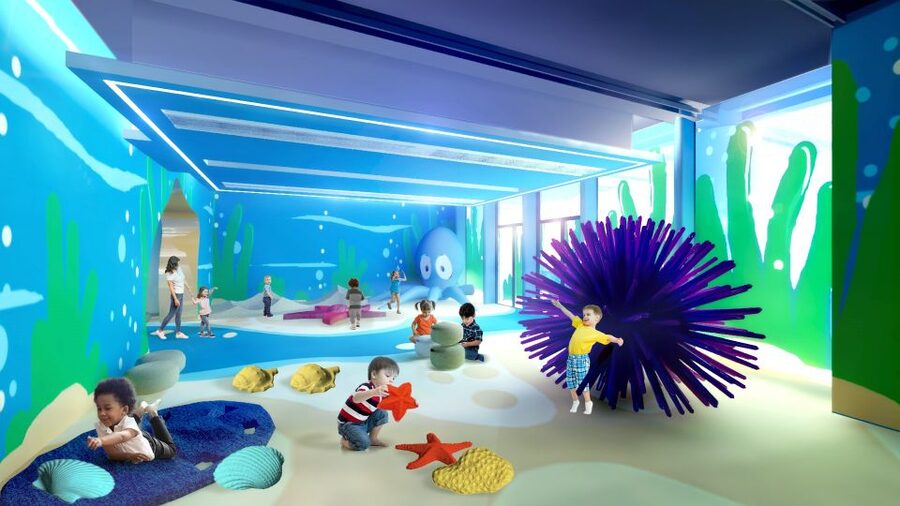
The hearing workshop is a real perk if you want a structured interactive moment. It’s interactive and starts are announced regularly, so you’re not guessing when to join in. That regular rhythm helps when you have children, because they’re more likely to stay engaged if they can anticipate what’s happening next.
Then there’s the construction zone. This is where you might want to calibrate expectations based on your kids’ ages and preferences. For some families, it can feel more suited to younger children than older ones. If your kids love building and hands-on making, they may still have fun. But if you’re expecting this to be equally impressive for all ages, you could be surprised.
The broader lesson is simple: plan to enjoy the main five-sense rooms first, then treat extra zones as a bonus. That way, if one area is less interesting for your particular group, the visit still feels complete.
Price and value: is $14 a good deal?
At $14 per person, this ticket is priced as a family-friendly activity, not as a full-day museum commitment. Here’s how to think about the value.
Why it’s worth it
You’re paying for interactivity, not just entry. You get access to multiple sensory zones, including experiences connected to smell, taste, and listening, plus optical illusion play. That’s a lot of different “types” of engagement for one admission ticket. If you have kids who like making mess-free discoveries and testing what their senses tell them, it can feel like good value.
You’re also paying for convenience. The museum is in the aquarium building, which means it’s easy to combine without complicated logistics.
Why it can feel pricey
The space can feel small compared with how people imagine a museum. If you expect an all-day deep gallery experience, you might find you finish faster than you hoped. That’s also why your pacing matters, and why arriving with a clear plan helps you get your money’s worth.
If you’re going with older kids who want more traditional exhibits, you may wish you had paired your day with more Genoa sightseeing. This museum is more about fun interaction than about detailed cultural interpretation.
Practical tips so your visit goes smoothly
A good sensory museum can still be uncomfortable if you dress wrong. Wear comfortable shoes. You’ll be walking, shifting positions, and leaning in for photo angles.
Bring water, especially if you’re also doing the aquarium after. Genoa can be warm, and kids get thirsty fast. Dress in comfortable clothes you can move in, because a lot of the interaction requires you to change your position and get close to installations.
One more rule that matters for family logistics: pets are not allowed. If you’re traveling with a dog, you’ll need to arrange care.
And if you’re using a wheelchair, good news: the museum is wheelchair accessible, so you can plan around it without guessing.
Should you book this ticket for Genoa?
I’d book this if you’re visiting Genoa with children, or if you personally love optical illusions and anything that makes your senses question themselves. It’s also a smart pick on a rainy day, because the museum keeps you inside with short, changing experiences.
Skip or reconsider if you know your group wants a long museum day with lots of reading, quiet contemplation, or major historical exhibits. In that case, this can feel like a quick stop, not a destination you build an entire day around.
A balanced way to make it work: treat the museum as a strong half to full-time activity within a bigger Genoa plan. Start there, enjoy the five-sense rooms and the photo-worthy installations, then pair it with the aquarium or another nearby plan so the day feels complete.
FAQ
How long is the City of Children and Young Museum visit?
The entry ticket is listed for a duration of about 1.5 hours.
What is the price per person?
The price is $14 per person.
Where do I enter and show my ticket?
You enter on the ground floor and show your ticket on arrival.
Is the museum wheelchair accessible?
Yes, the museum is wheelchair accessible.
Is this museum suitable for families and children?
Yes. It is designed as a fun, interactive experience for families, with sensory play and activities that work well for kids.
Are pets allowed inside the museum?
No, pets are not allowed.
Museum Visits in Genoa That Made the Same Shortlist

Our Wider Genoa and Ligurian Riviera Outings File for Genoa
Not quite the day you had in mind? The rest of our Genoa write-ups sit below
- Aquarium of Genoa Ticket and Whale Watching Cruise★ 4.2 · 170 reviews
- Genoa: Historic Guided Tour of Christopher Columbus’ House★ 4.4 · 186 reviews
- Genoese cooking lesson in the with lunch in the terrace★ 5.0 · 189 reviews
- Genoa: Aquarium, Galata Museum and Submarine Entry Tickets★ 4.6 · 190 reviews
- Genoa Food, Wine Tasting & History Walking Tour★ 5.0 · 212 reviews
- Genoa: Food and Wine Tasting Walking Tour★ 4.9 · 215 reviews
- Genova: Homemade Pasta & Pesto Local Chef Class with Wine★ 5.0 · 217 reviews
- Genoa: Impossible Museum Entry Ticket★ 4.2 · 226 reviews
- 2 Hours Private Historical Tour in Genoa★ 5.0 · 248 reviews
Genoa & the Ligurian Riviera, top to bottom.
 ★ 4.5Genoa: Aquarium of Genoa Entry TicketFrom $3510,075 reviews
 ★ 4.4Genoa: Full-Day Tour to Camogli, San Fruttuoso & PortofinoFrom $243,295 reviews
 ★ 4.0Genoa: Hop-on Hop-off Tour TicketFrom $261,524 reviews
 ★ 4.3Genoa: Aquarium of Genoa with LunchFrom $421,449 reviews
 ★ 4.2Genoa: Half-Day Tour to PortofinoFrom $301,123 reviews
 ★ 4.2Genoa: Pelagos Sanctuary Whale Watching CruiseFrom $51806 reviews
 ★ 4.3Genoa: Cetacean Watching Cruise with Marine Biologist GuideFrom $53745 reviews
 ★ 4.2Genoa: 2-Hour Guided Walking Tour of the Historical CenterFrom $16605 reviews
Filed under