
Reviewed · POMPEII ARCHAEOLOGICAL SITE
Pompeii: Small-Group Tour of Pompeii and Herculaneum
Pompeii and Herculaneum, packed into one smart day. This small-group tour uses an archaeologist-led walk to make the ruins readable, not just impressive, with a clear Pompeii-to-Ercolano flow. You also get a taste of two different kinds of preservation after the 79 A.D. eruption of Mount Vesuvius.
My favorite part is the way the guide keeps the big picture in view while you’re staring at fragments on the ground. I love that guides like Diego and Alfredo (and others you might be assigned) explain what you’re looking at in plain language, then pull you back to everyday Roman life.
One thing to consider is timing. After Pompeii you get a short break, so lunch has to be quick, and you may want to plan ahead if you prefer a slower sit-down meal.
In This Review
- Key things that make this tour worth your time
- Porta Marina Inferiore meeting point and how the day starts
- Pompeii walkthrough, 2 hours of the most important stops
- The 30-minute break after Pompeii, and how to make it work
- The Circumvesuviana train to Ercolano, a quick reset before Herculaneum
- Herculaneum in 2 hours, why it looks so much more intact
- What the guides do that you cannot get from a quick walk
- Lunch, heat, and what to pack for a smooth day
- How long the day really feels, and who it suits best
- Practical logistics you should plan for before you go
- Is the value there for the price you pay
- Should you book this Pompeii and Herculaneum tour
- FAQ
- Where do I meet the tour guide?
- What time is the tour, and how long does it take?
- How big is the group?
- What languages are available?
- Do I need entry tickets for Pompeii and Herculaneum?
- How do we get from Pompeii to Herculaneum?
- Where does the tour end?
- What is the lunch situation?
- What should I bring?
- Does the tour provide anything to help you hear the guide?
- Is this tour refundable if my plans change?
Key things that make this tour worth your time
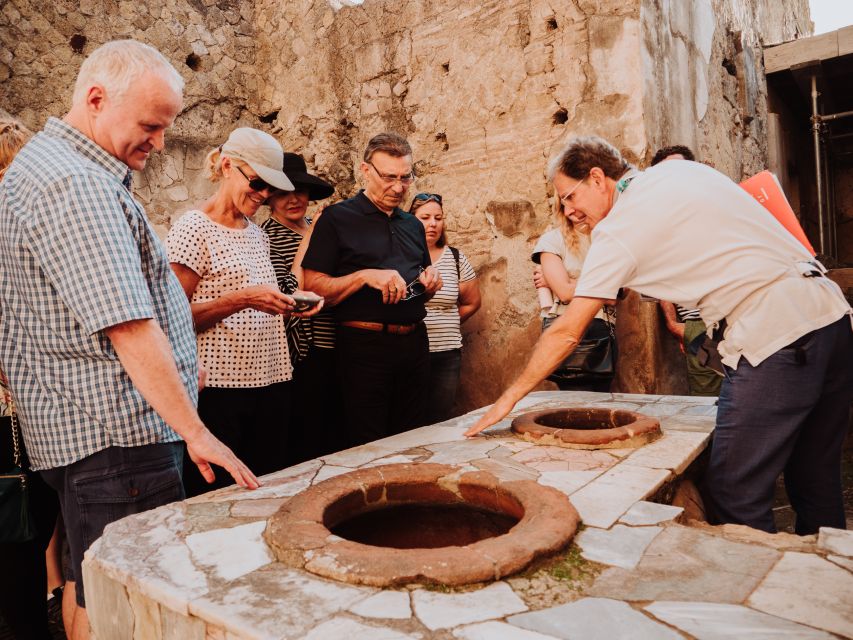
- Archaeologist-led storytelling that turns ruins into real daily life
- Small group up to 20, so you don’t get lost in the crowd
- Guided Pompeii plus better-preserved Herculaneum, both in one day
- Circumvesuviana transfer to Ercolano (about 20 minutes) for an easy switch of locations
- Skip-the-ticket-line entry process and headsets if the group is larger than 10
- Real focus on the most meaningful stops, not a rushed lap
Porta Marina Inferiore meeting point and how the day starts
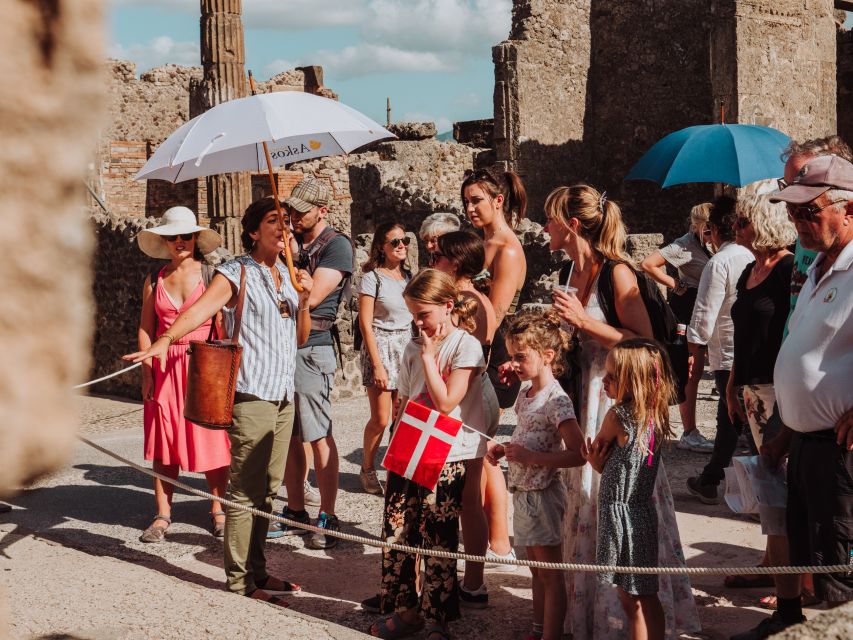
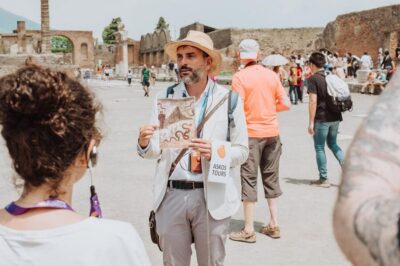
You meet at Piazza Porta Marina Inferiore, 1, at the left side of the Pompeii entrance named Porta Marina Inferiore. Look for the Askos Tours sign, placed near the Arte bus stop, and plan to arrive a few minutes early so you’re not guessing while people stream toward the gates.
This is a good setup for first-timers because Pompeii can feel like a maze the moment you enter. With a guide holding the thread, you can go from “wow, ruins” to “I know what I’m looking at” quickly.
Our reviewers also walked through other Pompeii site visits in Pompei Campania.
- Pompeii: Entry Ticket and Guided Tour with an Archaeologist
★ 4.8 · 19,459 reviews - Pompeii: Small Group Tour with an Archaeologist
★ 4.8 · 12,264 reviews - Pompeii: Skip-the-Line Entrance Ticket with Audio Guide
★ 4.0 · 2,509 reviews - Naples: Pompeii and Mt. Vesuvius with Lunch and Wine Tasting
★ 4.5 · 2,454 reviews
Pompeii walkthrough, 2 hours of the most important stops
The Pompeii portion is a 2-hour guided tour, with a 30-minute break afterward. In plain terms, you’re touring a city buried by tons of pumice and volcanic ash in 79 A.D., and the preservation is so strong that it’s easy to understand why archaeologists can still uncover details today.
The biggest advantage of going with a guide is that Pompeii is crowded and huge, and you can miss the best context if you wander. A strong guide helps you connect the walls, streets, and homes to systems like Roman plumbing, public spaces, and neighborhood life.
A few high-impact things you’re likely to notice during the Pompeii walk:
- Street-level layouts that show how people moved, worked, and socialized
- Home and shop areas that help you picture who had money and who did not
- The emotional side of the disaster, especially if your route includes the plaster casts that give faces to the tragedy
As for drawbacks, Pompeii is outdoors and stamina matters. Even if your route avoids the worst of the sun when possible, expect uneven ground and a lot of standing, plus the mental effort of taking in a lot of information fast.
The 30-minute break after Pompeii, and how to make it work
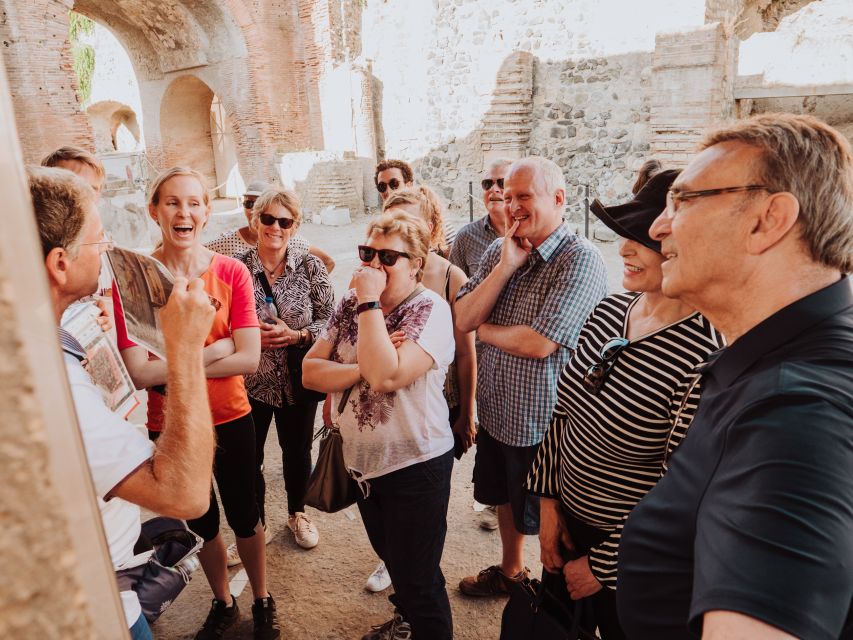
After Pompeii, you get time to grab lunch or stroll the souvenir area just outside the ruins. The tradeoff is clear: 30 minutes is enough for a sandwich and a bathroom stop, but it’s not enough for a leisurely meal when the lines are long.
Use this break strategically:
- If you want real downtime, bring a small snack plan so you’re not spending the whole break in queues.
- If you’re visiting in hot months, expect the shade hunt to be real. Pick up food and find a spot fast.
Also, there’s a practical comfort angle from recent visitors: luggage storage is available for free at both sites. If you bring a bigger bag, this can make your break more pleasant since you’re not juggling it while you eat.
The Circumvesuviana train to Ercolano, a quick reset before Herculaneum
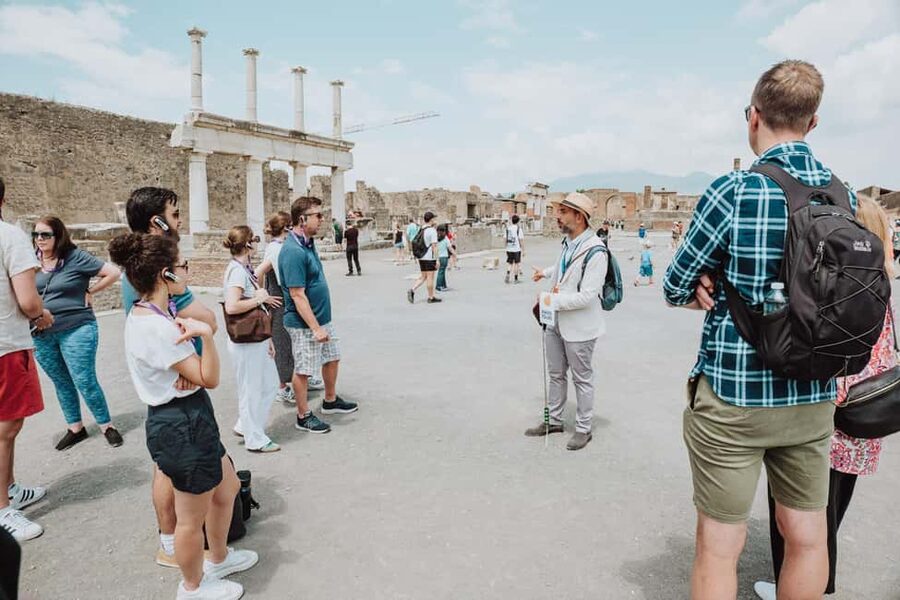
Next comes the transfer by Circumvesuviana train to Ercolano, about 20 minutes. You’re not just changing locations. You’re switching to a totally different kind of preservation story, and that short ride gives your brain a breather before the more dramatic Herculaneum details.
This timing also helps you keep the day moving without feeling like you’re trapped on buses. When the schedule works, it’s a clean, simple connection between the two sites.
One practical note, based on how this day typically runs: your day can be longer if there’s a disruption on the train line. The tour design still aims to keep things orderly, but don’t assume everything will be perfectly on time when you’re dealing with a commuter system.
Herculaneum in 2 hours, why it looks so much more intact
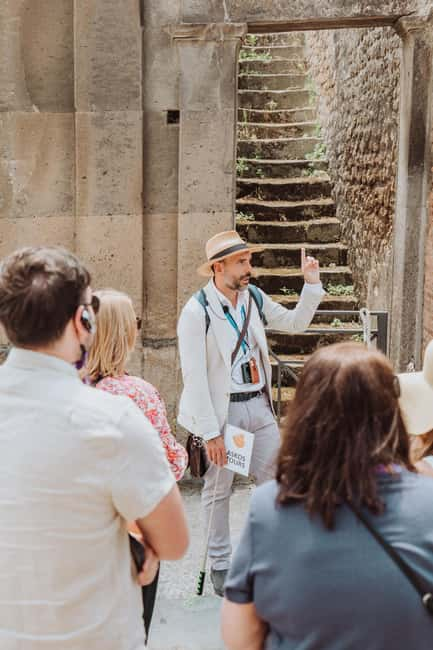
Herculaneum gets a 2-hour guided tour as well, and it’s where a lot of people feel the “second wow” moment. This site is smaller than Pompeii, but it’s better preserved, because it was buried under mud that hardened around structures after the eruption.
Here’s the core preservation contrast the guide will emphasize as you walk:
- Pompeii was covered in about four meters of ash.
- Herculaneum was buried under a mud avalanche reported as about 20 meters thick.
That difference changes what you see. In Herculaneum, you can often glimpse details that help you understand how the city was lived in:
- Second floors that survived better than you’d expect
- Carbonized wooden objects preserved from the moment of the disaster
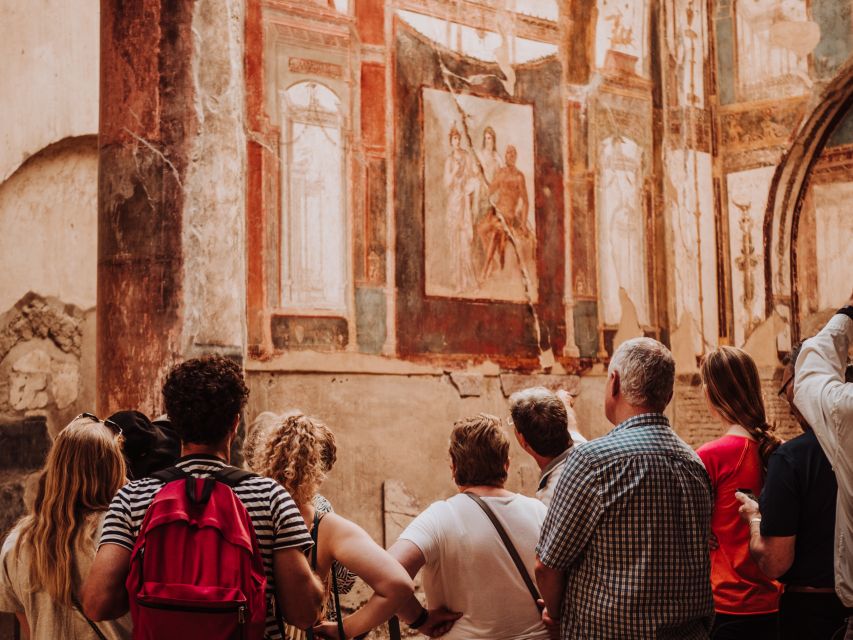
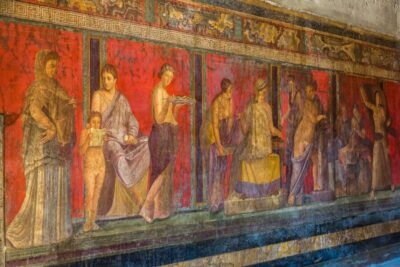
- Intact paintings and mosaics, still visible rather than reduced to scattered stone
This is the “quietly overwhelming” part of the day. You’re not just looking at ruins. You’re looking at evidence of decoration, daily routines, and household choices that feel intimate for something nearly 2,000 years old.
If Pompeii gives you scale and tragedy, Herculaneum gives you rhythm. The wealthier lifestyle shows up in how spaces are laid out and how surfaces were finished, especially where mosaics and wall paintings survive.
What the guides do that you cannot get from a quick walk
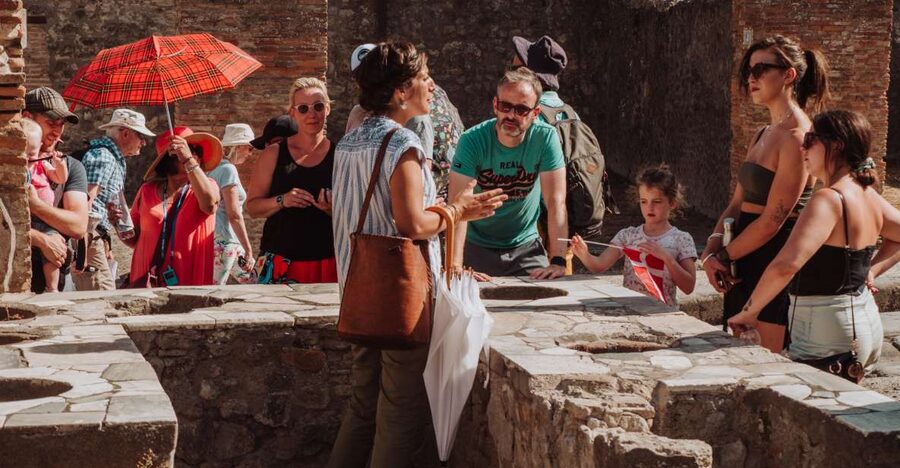
This tour’s biggest selling point is not just that someone guides you. It’s the way a working archaeologist approach makes your eyes work better.
In many recent experiences, guides have done a few standout things:
- They point you to the most meaningful areas instead of letting you wander into dead ends
- They keep explanations tied to materials and construction, not just dates
- They handle questions on the spot, so the visit feels interactive
And yes, humor helps. Several guides in the program have a knack for turning tense or heavy moments into stories you can actually remember. For example, Antonio (mentioned in feedback) used a colorful umbrella while explaining an inscription, which is the kind of vivid detail that sticks when your brain is tired from walking.
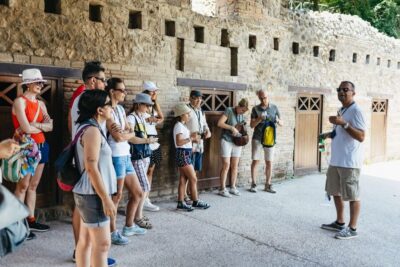
Also, if your group is larger than 10, you’ll receive headsets. That matters more than it sounds in Pompeii and Herculaneum, where noise and crowding can swallow normal voices.
Kept in the same folder as this one, Herculaneum and Vesuvius visits in Pompei Campania.
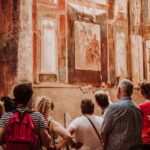
Lunch, heat, and what to pack for a smooth day
This tour is mostly walking outdoors, and Vesuvius weather can be unpredictable. Your best protection is preparation.
Bring:
- Comfortable clothes and comfortable walking shoes
- Sunglasses, and a hat in summer
- Water in warm weather
- A raincoat or poncho in case of sudden showers
- Your passport or ID card
If you travel in summer, treat the day like a heat day, not a sightseeing stroll. In feedback, visitors praised guides for keeping people in shade when possible, but you still need your own basics.
How long the day really feels, and who it suits best
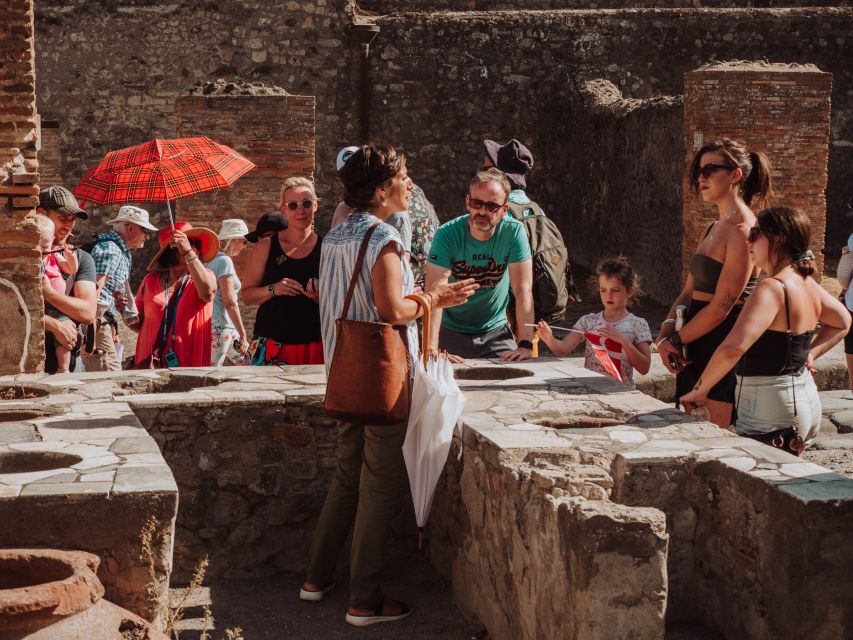
The listed duration is 5.5 hours, but it’s a 5.5 hours with two big sites and real walking. Some people describe it as a long day simply because you’re packing in a lot of information while your legs do the same job twice.
This tour is a strong fit if:
- You want an organized route through Pompeii, without getting overwhelmed
- You care about seeing why Herculaneum looks so different
- You like small groups, with enough space for questions
- You want a single-day plan that still feels connected rather than chaotic
It may not be the right choice if:
- You need wheelchair access or have mobility restrictions. This tour is marked as not suitable for wheelchair users and people with mobility impairments.
Practical logistics you should plan for before you go
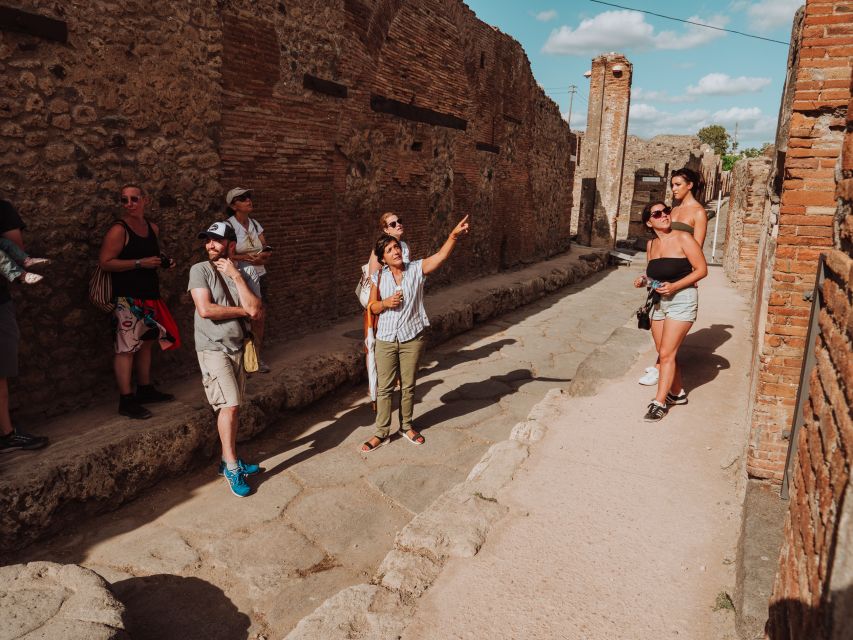
A few details can prevent stress on the ground:
- Skip the ticket line: The tour process is set up so you don’t waste time at the entrance gates.
- Entry tickets for Herculaneum: The stated cost is 16.00 euros for adults and 2.00 euros for EU citizens aged 18 to 25. If you’re using your own tickets, keep those figures in mind.
- Where the day ends: The tour finishes at Parco Archeologico di Ercolano. You’ll need onward plans from Ercolano after the guide wraps up.
- Meeting location clarity: The meeting point is specific. If you arrive late or show up at the wrong side of Porta Marina Inferiore, it can take time to catch up with the group, so be punctual.
Is the value there for the price you pay
Value is all about what you buy for your time and effort, and this tour’s value is strong for a simple reason: it saves you from the two biggest Pompeii problems, confusion and missed meaning.
You pay for:
- Small-group pacing (up to 20)
- A guide with an archaeologist approach
- Time efficient entry and an easy Pompeii-to-Ercolano transfer
- Two sites that complement each other, Pompeii for scale and Herculaneum for preservation
If you were planning to do both sites on your own, you’d probably spend hours figuring out where to go, then still wonder what details matter most. Paying for guidance gets you a direct path to the “why” behind the “wow.”
Should you book this Pompeii and Herculaneum tour
Book it if you want the best shot at understanding Pompeii and Herculaneum in one day, without getting lost or bogged down by logistics. The archaeologist-led format, the small group size, and the focus on the most important stops make this feel efficient rather than rushed.
Skip it or choose a different format if you strongly prefer long lunch sits, or if you need accessibility support. This is a walking-focused plan, and the day is designed to keep moving.
If you’re choosing between an audio guide and a live guide, the decision is easy: this is one of those places where a real guide helps you see details you’d otherwise miss, especially in Herculaneum where paintings, mosaics, and preserved objects can look like random decoration until you know what they represent.
FAQ
Where do I meet the tour guide?
Meet at Piazza Porta Marina Inferiore, 1, at the left side of the Pompeii entrance called Porta Marina Inferiore, close to the Arte bus stop. Your guide will be holding a sign that says Askos Tours.
What time is the tour, and how long does it take?
The tour duration is listed as 5.5 hours. Starting times depend on availability.
How big is the group?
The tour is a small group, with a maximum of 20 people.
What languages are available?
The live tour guide operates in English and Italian.
Do I need entry tickets for Pompeii and Herculaneum?
The tour includes entry tickets and lets you skip the ticket line. The tour also lists Herculaneum ticket costs as 16.00 euros for adults and 2.00 euros for EU citizens aged 18 to 25.
How do we get from Pompeii to Herculaneum?
You take the Circumvesuviana train to Ercolano, which is about a 20-minute trip.
Where does the tour end?
The tour ends at Parco Archeologico di Ercolano.
What is the lunch situation?
After the Pompeii tour, there is a 30-minute break. It’s designed for a quick lunch or time near the shops outside the ruins.
What should I bring?
Bring a passport or ID card. Also plan for comfortable walking clothes, plus sunglasses, a hat, and water in summer. A raincoat or poncho is recommended if showers happen.
Does the tour provide anything to help you hear the guide?
Headsets are provided for groups of more than 10 participants.
Is this tour refundable if my plans change?
Yes, free cancellation is available up to 24 hours in advance for a full refund.
Herculaneum and Vesuvius Visits in Pompei Campania That Made the Same Shortlist


The Rest of Our Pompeii Site Visits in Pompei Campania
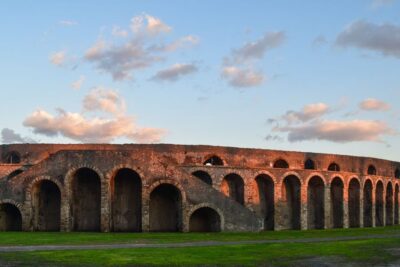
Not quite the day you had in mind? The rest of our Pompei Campania write-ups sit below
- Pompeii: Skip-the-Line Entry & Audioguide★ 3.8 · 225 reviews
- Pompeii: Day Tour of Pompeii and Vesuvius with Bus Transfer★ 4.2 · 250 reviews
- From Naples/Salerno: Pompeii, Sorrento, and Positano Tour★ 4.5 · 250 reviews
- Pompeii: Tour with Archaeologist Guide & Skip-the-Line Entry★ 4.5 · 478 reviews
- Pompeii: Afternoon to Sunset Guided Tour with Ticket★ 4.9 · 484 reviews
- Pompeii 3hours Villa of Mysteries tour with an Archaeologist★ 4.8 · 486 reviews
- From Pompeii: Bus Transfer to Vesuvius with Park Entry Fee★ 4.2 · 700 reviews
- Pompeii: Skip-the-Line Entry Ticket with Digital Guide App★ 4.1 · 770 reviews
- Pompeii: Guided Tour with Skip-the-Line Entry★ 4.9 · 812 reviews
Pompeii Archaeological Site, top to bottom.
 ★ 4.8Pompeii: Entry Ticket and Guided Tour with an ArchaeologistFrom $3519,459 reviews
 ★ 4.2Pompeii: Entry Ticket with Optional Audio GuideFrom $2612,360 reviews
 ★ 4.8Pompeii: Small Group Tour with an ArchaeologistFrom $4012,264 reviews
 ★ 4.3From Naples: Pompeii Ruins & Mount Vesuvius Day TourFrom $12011,459 reviews
 ★ 4.6From Rome: Pompeii, Amalfi Coast, and Sorrento Day TripFrom $797,031 reviews
 ★ 4.6From Rome: Pompeii, Amalfi Coast and Positano Day TripFrom $996,620 reviews
★ 5.0Pompeii Small Group Tour with an ArchaeologistFrom $356,593 reviews
 ★ 4.5Pompeii, Amalfi Coast and Positano Day Trip from RomeFrom $1016,250 reviews